Korean Beef Bulgogi Bites Recipe That Sears Sweet, Deeply Caramelised
Make tender, caramelised Korean beef bulgogi bites at home with this authentic soy-pear marinade recipe. Sweet, savoury, party-perfect. Get the full recipe now.
 Tripti Srivastava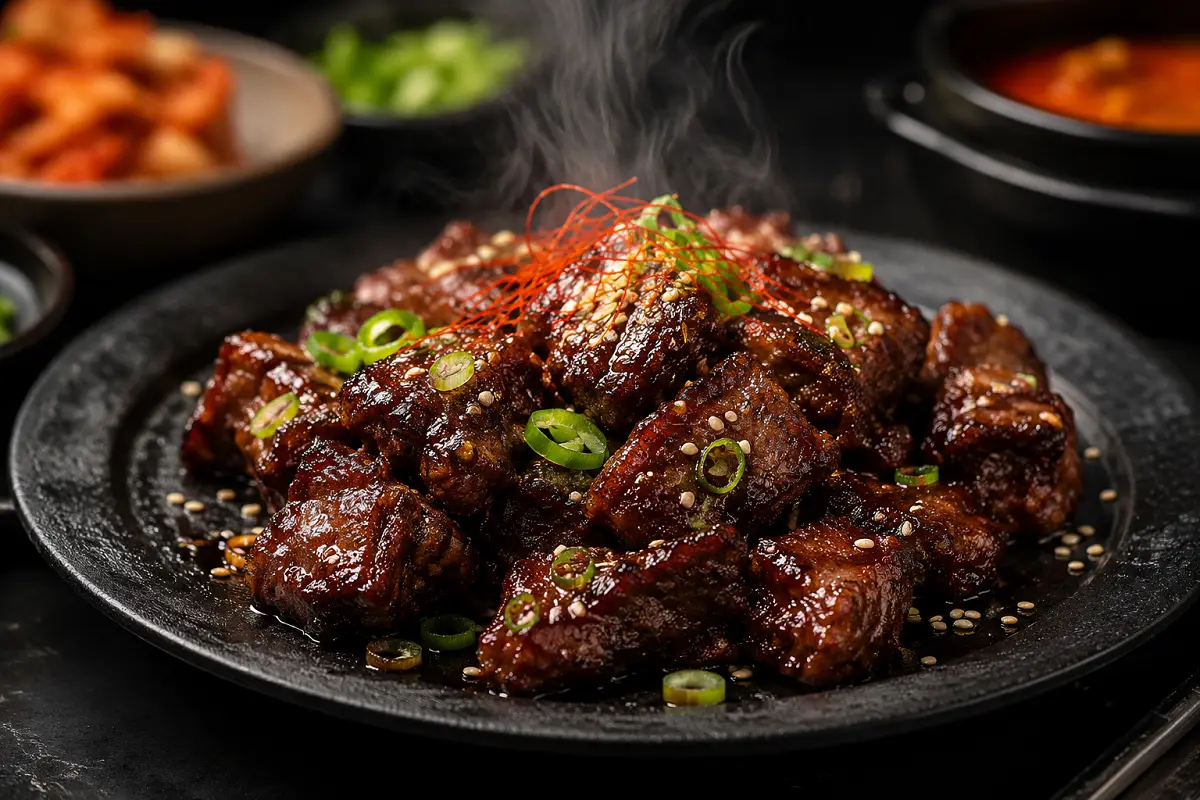
Bulgogi which translates literally from Korean as "fire meat" is one of the oldest and most beloved dishes in Korean cuisine, with documented roots going back over a thousand years to the Goguryeo kingdom. And yet, despite its ancient origins, it is one of the most approachable Korean dishes to make at home. The marinade is straightforward, the cooking is fast, and the result tender, caramelised beef with a flavour that is simultaneously sweet, savoury, nutty, and gently smoky, is one of the most satisfying things you can put on a plate.
This recipe takes the classic Korean beef bulgogi and presents it in a party-ready bites format thick, generous pieces of well-marbled beef, marinated overnight in the authentic soy-pear-sesame-garlic bulgogi marinade, seared at very high heat until the edges caramelise and blister, and served with sesame rice, quick-pickled cucumber, and a bright gochujang dipping sauce. Each bite delivers the full bulgogi experience the sweet-savoury balance, the unmistakable sesame fragrance, and the tender, slightly chewy texture that comes from a properly rested, properly rested marinade.
Unlike the previous Korean BBQ pork bites recipe (which is built on gochujang's fermented heat), bulgogi is characterised by its gentleness it is not a spicy dish. The flavour is sweet and deeply savoury, with the Asian pear adding a subtle fruity note and the sesame oil wrapping everything in warmth. This is the Korean BBQ dish that wins over guests who think they do not like Korean food, and it is the one that regular Korean food lovers request most often.
What Makes These Korean Beef Bulgogi Bites Special
Bulgogi is deceptively simple soy sauce, sugar, sesame oil, pear, garlic, ginger. But the ratio, the cut of beef, the marinating time, and the cooking technique together determine whether you get a genuinely great result or a flat, grey, overcooked disappointment. Here is what this recipe does to get it right:
- The correct beef cut: Traditional bulgogi uses paper-thin slices of beef ribeye or sirloin. For the bites format, we use slightly thicker pieces approximately 1.5-inch cubes of beef ribeye, sirloin strip, or short rib which give the caramelised exterior that is visually distinctive in the bites presentation while maintaining a tender, juicy interior. The fat marbling of ribeye is what makes the bites baste themselves in the pan and develop that characteristic blistered, glossy surface.
- Asian pear as tenderiser and sweetener: The Asian pear in this marinade performs two functions simultaneously the natural enzymes (similar to papain) break down the beef's muscle fibres for exceptional tenderness, and the fruit sugars add a delicate, clean sweetness that distinguishes bulgogi's flavour from any other sweet-savoury marinade. This is not a shortcut; it is the authentic Korean technique that has been used for centuries.
- The mirin-and-sugar combination: Authentic bulgogi uses both mirin (sweet Korean or Japanese rice wine) and sugar in the marinade. They are not interchangeable mirin adds a subtle depth and gloss that pure sugar cannot replicate, while the sugar provides the specific caramelisation behaviour in the pan that creates bulgogi's signature blistered edges.
- Extremely high heat, small batches: Bulgogi must be cooked at the highest heat possible, in small batches that never crowd the pan. This is the single most important technique rule. Crowded beef in a pan drops the temperature immediately, the beef steams in its own juices, and you get grey, boiled meat instead of caramelised, glazed bites. Small batches, very hot pan, fast cooking 2 minutes maximum per batch.
- The resting-then-charring finish: After the initial high-heat sear, the bites rest briefly, then go back into the pan for a final 30-second high-heat char that develops the blistered, slightly blackened edges that are the visual signature of great Korean BBQ beef. This final char is not burning it is controlled caramelisation of the marinade sugars that adds a complex, slightly smoky note to the overall flavour.
Ingredients Overview
Beef ribeye is the premium choice for bulgogi bites its fat marbling bastes the meat as it cooks and produces the glossy, lacquered surface that makes restaurant bulgogi so visually striking. Beef sirloin strip is a leaner alternative that still has enough fat for good flavour and caramelisation. Beef short rib (boneless) is the richest, most indulgent choice the high fat content produces a deeply flavoured bite with an almost butter-soft interior after marinating. All three work; the choice depends on your budget and preference for richness.
The marinade uses Korean soy sauce (ganjang) as its primary seasoning if unavailable, Japanese light soy sauce is a good substitute. Regular Chinese light soy sauce works but has a slightly different character. Toasted sesame oil is non-negotiable use the best quality you have. The fragrance of sesame oil is the defining aroma of bulgogi and a low-quality sesame oil produces a noticeably flat result. Mirin (sweet rice wine) adds gloss and depth; if unavailable, increase the sugar by half a teaspoon and add a teaspoon of dry sherry as a partial substitute.
The Asian pear for the marinade should be ripe but firm overripe pear produces too much liquid in the marinade, which can make it thin and runny. Grate it directly into the marinade bowl on a fine grater, skin and all. If Asian pear is unavailable, a ripe regular pear, 2 tablespoons of pineapple juice, or a mashed kiwi are all functional substitutes. Korean cooking authority Hyosun Ro notes that the pear is what separates an authentic bulgogi from an imitation its enzymes and natural sweetness are irreplaceable in the marinade.
How to Make It
Make the marinade, coat the beef pieces thoroughly, and refrigerate for a minimum of 2 hours overnight produces the most tender, flavour-saturated result. Cook in very small batches at maximum heat for 2 minutes per batch, rest, then finish with a 30-second high-heat char. Serve immediately with sesame rice, quick-pickled cucumber, and banchan-style accompaniments.
The active cooking time for a full batch is just 15 minutes. The marinade does everything else and this is one recipe where the overnight version is dramatically better than the 2-hour version.
Tips for Best Results
- Freeze the beef for 30 minutes before cutting if you want paper-thin slices. For the bites format, cut into 1.5-inch cubes. But if you want to serve in the traditional thin-slice bulgogi format, freezing the beef briefly firms it enough to slice paper-thin with a sharp knife a technique used in every Korean restaurant kitchen.
- Use a carbon steel or cast iron pan, not non-stick. The extremely high heat required for proper bulgogi caramelisation exceeds the safe operating temperature of most non-stick coatings. Cast iron or carbon steel distributes heat evenly and develops the best fond (caramelised bits) in the pan.
- Cook in batches of 6–8 pieces maximum. This cannot be overstated. Bulgogi cooked in a crowded pan steams and turns grey. Each batch should have visible space between the pieces the pan should sizzle aggressively when the beef goes in and stay sizzling throughout the cook.
- Do not move the beef for the first 60 seconds. Let the first side develop a proper sear and caramelised base before flipping. Moving it too early prevents colour development and causes the marinade coating to tear away from the surface.
- Reserve 2 tablespoons of marinade for a finishing glaze. After cooking, brush a small amount of the reserved (unused) marinade over the cooked bites for a glossy, fresh coating this is the restaurant trick that gives bulgogi its lacquered look at service.
Also Read: Korean BBQ Pork Bites
Serving Suggestions
Serve Korean beef bulgogi bites over steamed short-grain rice with a drizzle of sesame oil and a scattering of toasted sesame seeds this is the classic bulgogi bowl format that is a complete, deeply satisfying meal. For a party platter, serve alongside quick-pickled cucumber (oi muchim style cucumber in rice vinegar, sesame oil, chilli flakes, and garlic), steamed egg (gyeran jjim), and a small bowl of kimchi. These three Korean banchan side dishes create an authentic Korean table experience that is far more impressive than the sum of its parts.
For the ssam wrap format, serve with whole butter lettuce cups, sliced garlic, sliced green chilli, and ssamjang exactly as described for the Korean BBQ pork bites in the previous recipe. The sweeter, milder bulgogi works even better in the ssam format than the spicier pork version because the lettuce and garlic perfectly balance the sweet-savoury marinade. [INTERNAL LINK: Korean BBQ Pork Bites Recipe]
For a quick weeknight meal, toss the cooked bulgogi bites with cooked glass noodles (dangmyeon), sliced spring onions, and a little extra soy sauce and sesame oil for a ten-minute japchae-inspired noodle bowl that uses leftover bulgogi brilliantly.
Storage and Reheating
Store cooked bulgogi bites in an airtight container in the fridge for up to 3 days. The sweet marinade caramelises further overnight and the flavour becomes even more concentrated cold leftover bulgogi thinly sliced and tucked into a toasted sandwich or folded into a rice bowl with a fried egg is one of the great weeknight leftover meals.
To reheat, place the bites in a very hot dry pan for 60–90 seconds per side just enough to re-caramelise the surface and warm through without drying out the interior. A tiny drizzle of sesame oil in the pan before the beef goes in helps prevent sticking and refreshes the sesame fragrance.
Raw marinated beef bulgogi freezes exceptionally well for up to 2 months. Store in a zip-lock bag with all the marinade, remove all air, and freeze flat. Defrost overnight in the fridge the freeze-thaw cycle allows the marinade to penetrate even more deeply into the beef, producing a more flavourful result than a same-day marinade. Cook from refrigerator temperature, not straight from the fridge.
Variations and Substitutions
- Spicy bulgogi (not traditional but popular): Add 1 tablespoon of gochujang and 1 teaspoon of gochugaru (Korean red pepper flakes) to the standard bulgogi marinade for a spicy variation. This version bridges the gap between the classic sweet bulgogi and the spicier daeji bulgogi pork style.
- Mushroom bulgogi (vegan): Replace the beef with large portobello mushrooms or king oyster mushrooms torn into thick pieces. Marinate for 1 hour only (mushrooms absorb marinade much faster than beef and can become too salty if left too long). Cook in a hot pan for 2–3 minutes per side. The mushrooms develop a deeply caramelised, meaty surface that is remarkable in the bulgogi marinade.
- Bulgogi rice bowl (dolsot style): Cook the bulgogi bites as directed. Serve over hot steamed rice in a cast iron bowl or clay pot heated in the oven. Add a raw egg yolk in the centre, sliced spring onions, a drizzle of sesame oil, and a side of kimchi. The hot bowl continues to cook the egg as you stir this is the home version of dolsot bibimbap and it is extraordinary.
- Bulgogi tacos (fusion): Serve the bulgogi bites in small corn tortillas with quick-pickled cucumber, sliced spring onion, a drizzle of gochujang mayo (gochujang blended with Japanese mayonnaise), and toasted sesame seeds. This Korean-Mexican fusion format has become a global street food phenomenon and the flavour combination is genuinely exceptional.
- Ground beef bulgogi: Replace the beef bites with 500g of ground beef. Mix the marinade directly into the ground beef, rest for 30 minutes, then cook in a hot pan breaking up the meat as it cooks. Serve over rice or in lettuce cups. This is the fastest, most weeknight-friendly version of bulgogi ready in under 15 minutes from fridge to table.
Preparation Method
Cut the beef into 1.5-inch cubes against the grain cutting against the grain shortens the muscle fibres and produces a more tender bite after cooking. Pat the pieces completely dry before marinating surface moisture dilutes the marinade and reduces the caramelisation potential in the pan.
Make the marinade: grate the Asian pear on a fine grater directly into the bowl, then add all remaining marinade ingredients and whisk until the sugar dissolves completely. Coat the beef thoroughly by hand, massage the marinade into all surfaces, cover, and refrigerate. While the beef marinates, prepare the quick-pickled cucumber and the sesame rice.
Standard Operating Procedure (SOP)
Step 1 Beef prep: Cut beef ribeye, sirloin, or short rib into even 1.5-inch cubes, cutting against the grain. Pat all surfaces completely dry with kitchen paper. Reserve 2 tablespoons of marinade before adding beef this is the finishing glaze.
Step 2 Make marinade: Grate Asian pear (or substitute) directly into a large bowl on a fine grater. Add soy sauce, mirin, sugar, toasted sesame oil, garlic, ginger, black pepper, and spring onion whites. Whisk until sugar is fully dissolved. Taste it should be sweet, savoury, and fragrant with sesame. Set 2 tablespoons aside in a small bowl for finishing.
Step 3 Marinate: Add dried beef pieces to the marinade bowl. Coat thoroughly by hand, pressing the marinade into all surfaces. Cover tightly and refrigerate minimum 2 hours, overnight optimal.
Step 4 Quick-pickled cucumber: Slice cucumber into thin coins. Toss with rice vinegar, sesame oil, sugar, salt, gochugaru, and minced garlic. Rest 20 minutes at room temperature. Refrigerate until serving.
Step 5 Bring to room temperature: Remove marinated beef from fridge 20 minutes before cooking. Lift pieces from marinade shake off excess but do not wipe clean.
Step 6 Heat pan to maximum: Cast iron or carbon steel pan over maximum heat for 2 full minutes. The pan surface should be at the smoking point before beef goes in. Add a tiny amount of neutral oil just enough to prevent initial sticking.
Step 7 First sear 6–8 pieces per batch maximum: Place beef pieces in the pan with space between each piece. Sear undisturbed for 60–75 seconds until a deeply caramelised base forms. Flip. Sear 45–60 seconds on the second side. Total time per batch: 2 minutes maximum. Remove to a plate. Allow pan to return to maximum heat between batches.
Step 8 Rest 2 minutes: Let all cooked pieces rest on the plate while you complete remaining batches.
Step 9 Final char finish: Return all cooked pieces to the screaming-hot pan simultaneously. Toss for 30 seconds at maximum heat this final blast develops the slightly blistered, charred edges that are bulgogi's visual signature.
Step 10 Finishing glaze: Remove from heat. Brush the reserved 2 tablespoons of fresh marinade over all the cooked bites for a glossy, lacquered surface finish.
Step 11 Garnish and plate: Drizzle sesame oil over the plated bites. Scatter toasted sesame seeds and spring onion greens generously. Add thin red chilli rings for colour. Serve immediately with sesame rice, pickled cucumber, and banchan.
Garnish and Presentation
Beef bulgogi bites have a distinctive visual signature: a deep mahogany-brown caramelised surface with slightly blistered edges and a visible gloss from the sesame-soy marinade. This colour is darker and richer than the Korean BBQ pork bites (which have the red tint of gochujang) and has a more restrained, elegant visual profile.
The garnish palette should emphasise contrast and freshness: toasted white sesame seeds scattered generously over the dark beef (this contrast is as visually important in bulgogi as it is in the pork version), thinly sliced spring onion greens for brightness, and a scattering of thinly sliced fresh red or green chilli. For a more elegant plating, replace the chilli with a few strands of julienned spring onion the fine, pale green threads against the dark beef look refined and intentional.
The finishing glaze brush is the single most important garnish step. A thin coat of the reserved fresh marinade applied with a pastry brush over the cooked, resting bites gives the surface a deep, restaurant-quality lacquer that would otherwise require a commercial grill's radiant heat to achieve. This step takes 30 seconds and makes a significant visual difference.
Plating and Serving Tips
For a party platter, arrange bulgogi bites on a warm dark ceramic plate or slate board. Unlike the gochujang pork bites (which pop against a dark background because of their red tint), bulgogi bites benefit from a slightly warmer plate a dark terracotta, deep brown, or matte black surface that complements rather than contrasts the beef's mahogany tone. Insert cocktail toothpick skewers into each piece. Place the quick-pickled cucumber in a small glass bowl alongside. Scatter the sesame and spring onion garnish generously over the entire platter.
For a bulgogi rice bowl presentation, spoon hot steamed short-grain rice into a wide, flat bowl. Arrange 5–6 bulgogi bites in a fan or cluster over one half of the rice. Add a small mound of quick-pickled cucumber at the rice edge. Place a spoonful of kimchi at the opposite edge. Drizzle sesame oil across the entire bowl. Scatter sesame seeds. Place a single perfectly soft-boiled egg (6-minute egg, halved) at the top of the bowl. This is the bibimbap-adjacent plating that is one of the most satisfying and visually complete single-bowl presentations in Korean home cooking.
For the ssam lettuce wrap party format, arrange the bulgogi bites on a central platter surrounded by whole butter lettuce cups and perilla leaves. Place small individual bowls of steamed rice, thinly sliced raw garlic, thinly sliced green chilli, ssamjang, and the pickled cucumber around the platter. The self-assembly format is interactive, convivial, and entirely authentic to the Korean BBQ table culture that has made this cuisine beloved worldwide.
Made these Korean beef bulgogi bites? The moment that marinade hits a screaming-hot pan and those sugars start to caramelise I never get tired of that sound and smell. Leave a star rating and a comment below. Share your bowl or platter on Instagram and tag us bulgogi is genuinely one of the most photogenic dishes there is.
Ingredients
- 700g beef ribeye
- ½ medium Asian pear (approx. 100g)
- 2 tablespoons mirin (sweet rice wine)
- 2 tablespoons toasted sesame oil
- 1-inch piece fresh ginger, finely grated
- 1 tablespoon Shaoxing rice wine or dry sherry
- 1 teaspoon freshly ground black pepper
- 2 spring onion stalks, white parts finely minced
- 6 cloves garlic, finely grated or minced
- 1½ tablespoons brown sugar (or white sugar)
- 4 tablespoons Korean soy sauce (ganjang) or Japanese light soy sauce
- ½ teaspoon salt
Nutritional Information
- Calories: 362 kcal
- Protein: 27g
- Carbohydrates: 12g
- Fat: 23g
- Fiber: 0.5g
- Sodium: 640mg
- Sugar: 9g
Directions
1. PREP THE BEEF
1. Cut the beef ribeye, sirloin, or short rib into even 1.5-inch cubes. Crucially, cut against the grain — look for the direction of the muscle fibres in the meat and cut perpendicular to them. This shortens the fibres and produces a significantly more tender bite.
2. Pat every surface of every piece completely dry with kitchen paper. Do not skip this step — surface moisture dilutes the marinade at the point of contact and reduces caramelisation in the pan.
2. MAKE THE BULGOGI MARINADE AND RESERVE FINISHING GLAZE
3. Grate the Asian pear directly into a large mixing bowl on the fine side of a box grater. Include the juice — the natural pear juice is an important part of the enzyme tenderising and sweetness contribution. If using pineapple juice or kiwi, add directly.
4. Add soy sauce, mirin, brown sugar, toasted sesame oil, grated garlic, grated ginger, minced spring onion whites, black pepper, and Shaoxing rice wine if using.
5. Whisk thoroughly until the sugar is completely dissolved. The marinade should smell deeply fragrant — sesame, soy, and the faint fruity note of the pear.
6. Taste the marinade. It should be sweet, savoury, and sesame-forward with a mild pear fruitiness. Adjust soy for saltiness or sugar for sweetness.
7. Remove 2 tablespoons of the marinade and set aside in a small separate bowl — this is your finishing glaze and must not come into contact with raw meat.
3. MARINATE THE BEEF
8. Add the dried beef cubes to the marinade bowl. Using clean hands, coat every piece thoroughly — press the marinade firmly into every surface.
9. Cover tightly with cling film and refrigerate for a minimum of 2 hours. Overnight (8–12 hours) is strongly recommended — the pear enzyme and soy sauce work progressively over time and the overnight version is dramatically more tender and flavourful than the 2-hour version.
4. MAKE THE QUICK-PICKLED CUCUMBER
10. Slice the cucumbers into thin coins (3–4mm thickness). Place in a bowl and toss with 1 teaspoon of salt. Leave for 10 minutes — the salt draws water out of the cucumber.
11. Squeeze the cucumber firmly with both hands to remove as much water as possible. Transfer to a clean bowl.
12. Add rice vinegar, sesame oil, sugar, gochugaru, minced garlic, and sesame seeds. Toss well to coat. Taste and adjust vinegar and sugar balance.
13. The pickle is ready to serve immediately but improves with 20 minutes of resting. Can be made up to 3 days ahead and refrigerated.
5. BEFORE COOKING
14. Remove the marinated beef from the fridge 20 minutes before cooking to take the chill off. Cold beef straight from the fridge cooks unevenly — the outside overcooks before the centre warms through.
15. Lift the beef pieces from the marinade bowl with tongs. Shake off the excess marinade — you want a light coating on the surface, not a thick dripping layer. Reserve all marinade in the bowl (separate from the finishing glaze reserved in Step 7).
6. HEAT THE PAN
16. Place a cast iron or carbon steel pan over maximum heat. Heat the empty pan for a full 2 minutes — it should be at the smoking point before any oil or beef goes in. This level of heat is essential for bulgogi caramelisation.
17. Add just enough neutral oil to barely coat the pan surface — approximately half a teaspoon. Swirl to coat. The oil should shimmer and begin to smoke almost immediately.
7. FIRST SEAR BATCH COOKING IS MANDATORY
18. Place 6–8 beef pieces in the pan — maximum. The pieces must have visible space between them. If they touch or crowd, the pan temperature drops immediately and the beef steams instead of searing.
19. Sear undisturbed for 60–75 seconds. Do not move, press, or prod the beef. You should hear aggressive, continuous sizzling throughout. If the sizzling fades, your pan was not hot enough.
20. Using tongs, flip each piece. Sear for 45–60 seconds on the second side. Total time in the pan: approximately 2 minutes per batch.
21. Remove to a warm plate. Do not stack — lay in a single layer.
22. Allow the pan to return to maximum heat before the next batch. This takes 60–90 seconds. Do not rush this step.
23. Repeat with remaining beef pieces until all are first-seared.
8. REST THE BEEF
24. Allow all first-seared pieces to rest on the warm plate for 2 minutes. This allows the internal temperature to equalise and the juices to settle before the final char step.
9. FINAL CHAR FINISH
25. Return all the rested beef pieces to the screaming-hot pan simultaneously. Toss and turn continuously with tongs for 30–45 seconds at maximum heat. You will see the edges of the beef begin to blister and char very slightly — this is the visual and flavour goal.
26. Remove from heat immediately at this point. The final char step must not exceed 45 seconds or the beef will overcook.
10. APPLY FINISHING GLAZE
27. Brush the reserved 2 tablespoons of fresh marinade (from Step 7) over all the cooked bulgogi bites using a pastry brush. This fresh glaze application gives the surface a glossy, lacquered restaurant-quality sheen.
11. GARNISH AND PLATE PARTY PLATTER FORMAT
28. Arrange bites on a warmed dark ceramic plate or slate board. Drizzle toasted sesame oil over the plated bites.
29. Scatter toasted white and black sesame seeds generously.
30. Add thinly sliced spring onion greens and thin chilli rings.
31. Insert cocktail toothpick skewers into each piece at a slight angle.
32. Place the pickled cucumber in a small bowl alongside. Add the dipping sauce ramekin if serving. Serve immediately.
12. BULGOGI RICE BOWL FORMAT
33. Scoop hot steamed rice tossed with sesame oil into a wide flat bowl.
34. Arrange 5–6 bulgogi bites in a cluster over one half of the rice.
35. Add pickled cucumber at one edge and a spoonful of kimchi at the other.
36. Halve a 6-minute soft-boiled egg and place at the top of the bowl.
37. Drizzle sesame oil across the entire bowl. Scatter sesame seeds and spring onion greens. Serve immediately.
13. SSAM LETTUCE WRAP FORMAT
38. Place bulgogi bites on a central serving platter. Surround with whole butter lettuce cups and perilla leaves.
39. Set out small individual bowls of steamed rice, sliced garlic, sliced green chilli, ssamjang, and pickled cucumber.
40. Guests assemble their own wraps: a piece of beef on a lettuce leaf, a small spoonful of rice, a piece of garlic, a dab of ssamjang, and wrap and eat in one or two bites.
Rate this Recipe
User Reviews
No reviews yet. Be the first to share your thoughts!