Korean BBQ Pork Bites Recipe That Caramelises Bold Flavoured
Make sticky, caramelised Korean BBQ pork bites at home with this gochujang marinade recipe. Bold flavour, party-ready, easy method. Get the full recipe now.
 Tripti Srivastava
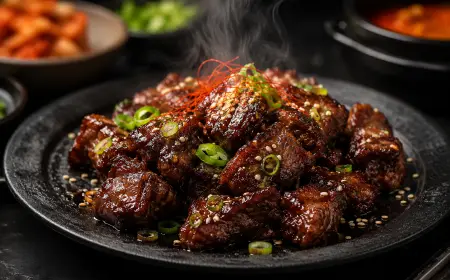
There is a specific shade of deep mahogany-red that appears on Korean pork when the marinade starts to caramelise in a hot pan not burnt, not raw, but that precise moment when the sugars in the gochujang and soy sauce hit the heat and lacquer themselves onto the surface of the meat in a glossy, sticky, intensely fragrant crust. If you have ever eaten Korean BBQ pork bites at a Korean restaurant and found yourself unable to stop reaching for the plate, you already know exactly what that moment looks like. This recipe is built to recreate it at home.
Korean BBQ is built on one of the most intelligent marinade philosophies in the world a balance of fermented paste (gochujang or doenjang), soy sauce for salt and depth, sesame oil for fragrance, sugar or pear puree for natural sweetness and tenderising, garlic and ginger for aromatics, and a small amount of acid to brighten the whole composition. Every element has a specific function and the balance between them is what gives Korean pork its distinctive, multi-layered flavour that hits sweet, spicy, savoury, and umami all at once.
This recipe adapts the classic Korean BBQ format into a party-ready bite-sized format thick pieces of pork belly or pork shoulder, cut into 2-inch cubes, marinated overnight, and cooked in a screaming-hot pan until lacquered and caramelised. Served with quick-pickled daikon, a dipping sauce, and a scatter of toasted sesame seeds and spring onion, this is the kind of dish that generates genuine conversation at the table.
What Makes These Korean BBQ Pork Bites Special
Korean BBQ is one of the most flavour-packed cuisines in the world, and this recipe captures the essence of it in a format that is practical, party-friendly, and achievable without a tabletop grill. Here is what makes this version stand out:
- Gochujang as the marinade base: Gochujang the fermented Korean red chilli paste is the flavour backbone of this recipe. It is not simply spicy; it is complex and deeply savoury with a natural sweetness from the fermentation process that makes it far more interesting than a straightforward chilli sauce. The fermented quality of gochujang also acts as a mild tenderiser on the pork, helping break down the surface proteins during the marinating window.
- Asian pear or kiwi tenderiser: Traditional Korean BBQ marinades use Asian pear puree as a natural tenderiser the pear contains proteolytic enzymes similar to papain in raw papaya that break down tough muscle fibres. This is what gives Korean BBQ its characteristic melt-in-the-mouth tenderness even from relatively short marinating times. Kiwi fruit is a direct substitute if Asian pear is unavailable.
- The dry-sear-then-glaze technique: The pork bites are cooked in two distinct phases. First, a high-heat dry sear without the marinade to develop a fond and caramelise the natural sugars in the meat. Then a second phase where the marinade is added to the hot pan and reduces rapidly to form the glossy, sticky glaze that coats every surface. This two-phase approach gives you better colour control and a thicker, more adherent glaze than simply cooking marinated pork from raw.
- Quick-pickled daikon accompaniment: The richness of the caramelised pork marinade needs a sharp, acidic counterpoint to balance every bite. Quick-pickled daikon (mooli) in rice vinegar, sugar, and a pinch of chilli made in 20 minutes while the pork marinates provides exactly this. The crunch, acidity, and brightness of the pickle against the sticky, sweet-spicy pork is one of the great flavour combinations in Korean table cuisine.
- Three cooking method options: Pan-sear for the best caramelisation and glaze development, oven-roast for hands-off batch cooking, and air fryer for a lighter version with excellent colour all three produce genuinely good results and all three are covered in full.
Ingredients Overview
Pork belly is the most traditional choice for Korean BBQ the fat-to-meat ratio gives it the richness and succulence that makes each bite deeply satisfying. Cut into 2-inch cubes with the skin removed (or kept on, depending on preference skin-on crisps up beautifully in a hot pan). Pork shoulder is an excellent leaner alternative with slightly more texture and less fat it absorbs the marinade just as well and is a better choice for those who find pork belly too rich.
Gochujang is the non-negotiable ingredient in this recipe do not substitute it with regular chilli paste, sriracha, or Tabasco. Each has its own flavour profile and none of them replicate the fermented, slightly sweet, deeply complex character of gochujang. It is widely available at Asian grocery stores, Korean supermarkets, and increasingly at mainstream supermarkets in the Asian foods section. Gochujang varies in heat level by brand the spice level is indicated on the packaging, typically from mild (1–3) to very hot (5). Choose based on your heat preference.
Doenjang Korean fermented soybean paste is an optional but highly recommended addition to the marinade. It adds an earthy, deeply umami depth that rounds out the gochujang's heat and sweetness. If unavailable, a teaspoon of good quality miso paste is a reasonable substitute. Toasted sesame oil goes into the marinade and is also used as a finishing drizzle use the best quality you can find, as the fragrance of sesame oil is one of the defining aromas of this dish.
How to Make It
Make the marinade, coat the pork pieces thoroughly, and refrigerate for a minimum of 2 hours overnight produces the most tender, flavour-saturated result. Remove the pork from the marinade (reserve the marinade), dry-sear the pork pieces over high heat to develop colour, then add the reserved marinade and reduce it over the pieces until a thick, sticky glaze forms. Rest, slice if needed, and serve immediately with quick-pickled daikon and sesame rice.
The active cooking time is just 25 minutes. The overnight marinade does the heavy lifting.
Also Read: Seaweed Salad Recipe
Tips for Best Results
- Do not skip the Asian pear or kiwi tenderiser. Even a short marinating time with the pear enzyme produces noticeably more tender pork than the same marinade without it. If neither is available, increase the marinating time to overnight and add an extra tablespoon of soy sauce to compensate.
- Remove the pork from the marinade before searing. Cooking pork directly in the marinade from the start causes the sugars in the gochujang to burn before the pork develops colour. Lift the pieces out, let the excess marinade drip off, and sear in a dry hot pan first. Add the marinade only in the second phase.
- Use a cast iron pan or stainless steel not non-stick. The high heat required to caramelise the gochujang marinade exceeds the safe operating temperature of most non-stick coatings. Cast iron retains and distributes heat evenly and produces the best crust development on the pork.
- Watch the glaze carefully in the final 2 minutes. Gochujang contains a high proportion of sugar and fermented solids that can go from a perfect lacquer to a bitter, burnt coating in under 60 seconds. Reduce the heat slightly when the glaze starts to look very thick and keep the pork moving.
- Rest 3–4 minutes before serving. The caramelised glaze is extremely hot immediately off the heat and continues to firm up and deepen in colour during resting the final colour and stickiness of the finished bites is actually better after 3 minutes than straight from the pan.
Serving Suggestions
Serve Korean BBQ pork bites with three essential Korean table accompaniments: quick-pickled daikon (danmuji style thin coins in rice vinegar, sugar, and chilli), steamed short-grain rice or sesame rice for a full meal, and a small dish of sesame oil with sea salt for dipping this simple combination is how Korean BBQ pork has been served at tabletop grills for generations and it is perfect in its simplicity.
For a party platter, serve the pork bites on a dark slate board with cocktail skewers inserted into each piece, the pickled daikon in a small glass bowl alongside, and a ramekin of the Korean dipping sauce (gochujang thinned with a little sesame oil, rice vinegar, and honey) at one end. A small bowl of kimchi on the board completes the Korean table aesthetic and adds another layer of fermented flavour contrast.
For a full Korean-inspired meal, pair with japchae noodles (glass noodles with vegetables) or a simple cucumber and spring onion salad dressed with sesame oil, rice vinegar, and a pinch of sugar the clean, cool salad provides the ideal counterpoint to the rich, sticky pork.
Storage and Reheating
Store cooked Korean BBQ pork bites in an airtight container in the fridge for up to 3 days. The glaze firms up significantly when chilled this is normal and does not indicate the pork has dried out. The flavour actually deepens overnight as the gochujang and soy continue to meld with the pork.
To reheat, place the pieces in a hot pan with a tablespoon of water and cover with a lid for 2–3 minutes until heated through. The water creates steam that softens the glaze and prevents it from burning during reheating. Alternatively, reheat in the air fryer at 180°C for 4–5 minutes for a version where the glaze crisps up again slightly on the outside.
Raw marinated pork bites can be frozen for up to 2 months. Place in a zip-lock bag with the marinade, remove all air, and freeze flat. Defrost overnight in the fridge and cook as per the directions on the day. The marinade permeates the pork even more deeply through the freeze-thaw cycle making this one of the best make-ahead freezer marinating recipes in this collection.
Variations and Substitutions
- Chicken Korean BBQ bites: Replace the pork with boneless chicken thigh pieces. Reduce marinating time to 2 hours maximum (the pear enzyme works faster on chicken than pork). Reduce cooking time in the pan to 12–14 minutes total. All other steps and sauce quantities remain the same.
- Ganjang (soy sauce) marinade variation: Replace the gochujang with an extra tablespoon of dark soy sauce and add a teaspoon of honey and a teaspoon of black pepper for a non-spicy, umami-forward "ganjang" style Korean BBQ that is milder and slightly sweeter a good option for guests who cannot handle the heat of gochujang.
- Korean BBQ pork lettuce wraps (ssam style): Serve the cooked pork bites alongside large whole butter lettuce or perilla leaves, steamed rice, sliced garlic, sliced green chilli, and ssamjang (Korean BBQ wrapping sauce doenjang blended with gochujang, sesame oil, and garlic). Guests wrap their own bites at the table the interactive eating format is one of the great pleasures of Korean table culture.
- Dakgalbi style (spicy stir-fry): Slice the marinated pork thin (3–4mm) instead of cutting into bites, and stir-fry with sliced cabbage, sweet potato, rice cakes (tteok), and spring onions in the gochujang marinade over high heat. This produces the dakgalbi-inspired one-pan stir-fry format that is a complete weeknight meal in under 20 minutes.
- Sticky Korean pork ribs: Apply the same marinade to pork spare ribs instead of pork belly bites. Marinate overnight, slow-roast at 160°C for 2 hours covered with foil, then uncover and brush with extra marinade and roast at 220°C for a final 15 minutes to caramelise. The result is fall-off-the-bone Korean BBQ ribs with the same flavour profile as the bites.
Preparation Method
Cut the pork belly or shoulder into 2-inch cubes, removing the skin if preferred. Pat completely dry. Make the marinade by combining gochujang, soy sauce, sesame oil, sugar, pear puree, garlic, ginger, doenjang (if using), and rice vinegar. Coat the pork thoroughly by hand, pressing the marinade into all surfaces. Cover and refrigerate.
While the pork marinates, make the quick-pickled daikon: cut daikon into thin coins or matchsticks, toss with rice vinegar, sugar, salt, and a pinch of chilli flakes, and leave at room temperature for 20–30 minutes. The pickle is ready when the daikon has softened slightly but still retains its crunch. It can be made up to 3 days ahead and stored in the fridge.
Standard Operating Procedure (SOP)
Step 1 Pork prep: Cut pork belly or shoulder into even 2-inch cubes. Remove skin if using belly (or keep for crackling effect). Pat every surface completely dry.
Step 2 Make marinade: In a bowl, combine gochujang, dark and light soy sauce, sesame oil, brown sugar, Asian pear puree, garlic, ginger, doenjang, rice vinegar, and black pepper. Whisk until smooth.
Step 3 Marinate: Coat pork pieces thoroughly, pressing marinade into all surfaces. Cover and refrigerate minimum 2 hours overnight optimal.
Step 4 Make quick-pickle: Slice daikon thinly. Toss with rice vinegar, sugar, salt, and chilli. Rest 20–30 minutes at room temperature. Refrigerate until serving.
Step 5 Bring pork to room temperature: Remove from fridge 30 minutes before cooking. Lift pieces from marinade reserve the marinade in the bowl.
Step 6 Dry sear phase: Heat cast iron pan over maximum heat until very hot. Add neutral oil. Place pork pieces in a single layer. Sear undisturbed 3–4 minutes until a deep caramelised crust forms on the base. Flip and sear 3 minutes on the second side. Do not add marinade yet.
Step 7 Glaze phase: Reduce heat to medium-high. Pour reserved marinade over the seared pork pieces. The marinade will bubble aggressively. Turn the pork pieces continuously as the marinade reduces, coating every surface. Cook for 4–5 minutes until the sauce has reduced to a thick, sticky glaze that lacquers each piece.
Step 8 Finish: Remove from heat. Drizzle with fresh sesame oil. Scatter toasted sesame seeds. Rest 3–4 minutes.
Step 9 Garnish and plate: Arrange on serving board or plate. Add spring onion greens, extra sesame seeds, and thin red chilli rings. Serve with quick-pickled daikon, dipping sauce, and sesame rice.
Garnish and Presentation
The visual identity of Korean BBQ pork bites is built entirely on that deep mahogany-red lacquer glaze glossy, dark, and slightly caramelised at the edges where the sugars have just begun to blister. This colour is the dish's signature and the presentation should frame it rather than compete with it.
The garnish palette is clean and contrasting: bright white toasted sesame seeds scattered generously over the dark glaze (the contrast is one of the most visually striking in Korean cuisine), thinly sliced spring onion greens for freshness and colour, and thin rings of fresh red chilli for a heat visual cue. A final drizzle of toasted sesame oil immediately before plating adds a glossy sheen that makes the lacquer look even deeper and more restaurant-quality.
The quick-pickled daikon on the side should be bright yellow-white and arranged in a neat pile or small glass bowl the pale, clean colour of the pickle against the dark, rich glaze of the pork creates the visual contrast that makes this platter look composed and intentional. If you have access to a small amount of toasted black sesame seeds, use them alongside the white sesame the combination of black and white seeds on the mahogany glaze is one of the most beautiful garnish moments in Korean plating.
Plating and Serving Tips
For a party platter, arrange the pork bites on a dark slate board or a black ceramic plate in a loose cluster not in a rigid row, but in a natural, slightly staggered arrangement that suggests abundance. Insert cocktail toothpick skewers into each piece at a slight angle. Place the pickled daikon in a small glass or ceramic bowl at one corner of the board. Place the dipping sauce ramekin at the opposite corner. Scatter the sesame seed garnish generously over everything. The dark plate, dark glaze, pale pickle, and white sesame seeds create a four-tone composition that looks genuinely professional.
For individual plating at a sit-down dinner, spoon a neat mound of sesame rice to one side of a wide, flat plate. Arrange 5–6 pork bites at a slight angle against the rice. Fan a small portion of pickled daikon between the pork and the rice. Add the spring onion, sesame seed, and chilli garnish across the pork. Drizzle a line of the dipping sauce around the base of the pork pieces not over them, which obscures the glaze for a restaurant-style sauce placement.
For the ssam lettuce wrap format, serve the pork bites on a central platter surrounded by a ring of whole butter lettuce cups. Place small individual bowls of steamed rice, sliced raw garlic, sliced green chilli, and ssamjang sauce around the central platter. This self-assembly format encourages interaction at the table, turns a simple dish into a full sharing experience, and is one of the most generous and hospitable ways to serve Korean BBQ pork in a home setting.
Made these Korean BBQ pork bites? That moment when the marinade hits the hot pan and the whole kitchen fills with the smell of caramelising gochujang is genuinely one of the best things in cooking. Leave a star rating and a comment below it helps other readers enormously. Share your platter on Instagram and tag us the glossier the glaze, the louder we will share it!
Ingredients
- 700g pork belly or pork shoulder
- 3 tablespoons gochujang (Korean fermented red chilli paste)
- 2 tablespoons dark soy sauce
- 2 tablespoons brown sugar
- 3 tablespoons Asian pear puree (blend ¼ of a ripe Asian pear)
- 1-inch piece fresh ginger, finely grated
- 1 tablespoon rice vinegar
- 1 teaspoon freshly ground black pepper
- 1 teaspoon doenjang (Korean fermented soybean paste)
- 6 cloves garlic, finely minced or grated
- 1½ tablespoons toasted sesame oil
- 1 tablespoon light soy sauce
- ½ teaspoon salt
Nutritional Information
- Calories: 398 kcal
- Protein: 24g
- Carbohydrates: 14g
- Fat: 28g
- Fiber: 0.5g
- Sodium: 680mg
- Sugar: 10g
Directions
1. PREP THE PORK
1. Cut the pork belly or shoulder into even 2-inch cubes. If using pork belly, remove the skin with a sharp knife or keep it on for a crispier, fattier finish. Trim any excess hard fat from pork shoulder.
2. Pat every surface of every piece completely dry with kitchen paper. Dry surfaces are critical for developing a proper sear in Step 6.
2. MAKE THE MARINADE
3. In a large bowl, combine gochujang, dark soy sauce, light soy sauce, sesame oil, brown sugar, Asian pear puree (or mashed kiwi), minced garlic, grated ginger, doenjang (or miso), rice vinegar, black pepper, and salt. Whisk until smooth and uniform.
4. Taste the marinade — it should be bold, slightly sweet, spicy, and deeply savoury. Adjust gochujang for more heat, sugar for more sweetness, or soy for more salt. The raw marinade should taste slightly more intense than you want the final dish to be, as cooking will mellow some of the edges.
3. MARINATE THE PORK
5. Add the dried pork pieces to the marinade. Using your hands, massage the marinade thoroughly into every surface of every piece — press it firmly into all sides.
6. Cover the bowl tightly with cling film and refrigerate for a minimum of 2 hours. Overnight (8–12 hours) is strongly recommended for the tenderising enzymes in the pear or kiwi to work most effectively on the pork.
4. MAKE THE QUICK-PICKLED DAIKON
7. Peel and slice the daikon into thin coins (3–4mm thickness) or thin matchsticks.
8. In a bowl, combine rice vinegar, sugar, salt, and chilli flakes (and turmeric if using for colour). Stir until the sugar and salt dissolve completely.
9. Add the daikon slices and toss to coat evenly. Leave at room temperature for 20–30 minutes, tossing occasionally — the daikon will soften slightly and take on the vinegar flavour while retaining its crunch. The pickle can be made up to 3 days ahead and stored in an airtight container in the fridge.
5. PREPARE THE DIPPING SAUCE
10. Combine all dipping sauce ingredients in a small bowl. Whisk until smooth. Taste and adjust — it should be spicy, slightly sweet, and sesame-forward. Set aside.
6. BEFORE COOKING
11. Remove the marinated pork from the fridge 30 minutes before cooking to bring it to room temperature. Even heat penetration is important for pork — cold pork straight from the fridge cooks unevenly.
12. Lift the pork pieces from the marinade with tongs or a slotted spoon, allowing excess marinade to drip back into the bowl. Reserve all the marinade — it will be used in the glaze phase.
7. DRY SEAR PHASE CAST IRON OR STAINLESS STEEL PAN
13. Heat a cast iron pan or heavy stainless steel pan over maximum heat for 2 minutes until very hot.
14. Add 1 tablespoon of neutral oil. Swirl to coat it should shimmer immediately.
15. Place the pork pieces in the pan in a single layer, leaving space between each piece do not crowd. Work in batches if needed.
16. Sear undisturbed for 3–4 minutes. The pork should develop a deep, caramelised, mahogany-brown crust on the underside. If the pork is releasing moisture and steaming rather than searing, your pan was not hot enough increase the heat.
17. Flip each piece. Sear for a further 2–3 minutes on the second side until similarly coloured. The pork does not need to be fully cooked through at this stage.
8. GLAZE PHASE
18. Reduce the heat to medium-high. Pour the reserved marinade directly over the seared pork pieces in the pan. It will bubble aggressively and spit — this is correct and indicates the right pan temperature.
19. Using tongs, turn the pork pieces continuously as the marinade reduces and thickens around them. Cook for 4–5 minutes, turning every 30–45 seconds, until the marinade has reduced to a thick, sticky, glossy glaze that coats each piece in a deep lacquer.
20. Watch the glaze carefully — when it starts to look very thick and the pan begins to look dry, reduce the heat to medium-low and keep turning. The glaze can go from perfect to bitter-burnt in under 60 seconds at this stage.
21. The pork is done when the glaze is deeply coloured, sticky, and each piece is glossy. Cut the largest piece in half to check — the interior should be fully cooked through with no pink remaining.
9. REST AND FINISH
22. Remove cooked pork from heat. Rest 3–4 minutes — the glaze will firm up slightly and deepen in colour during resting. 23. Drizzle a small amount of fresh toasted sesame oil over the rested pork bites.
10. GARNISH AND PLATE
24. Arrange on the serving board or plate.
25. Scatter toasted white and black sesame seeds generously over the pork.
26. Add spring onion greens and thin red chilli rings.
27. For party serving, insert cocktail toothpick skewers into each piece at a slight angle.
28. Place the pickled daikon in a small bowl alongside. Add the dipping sauce ramekin. Serve immediately.
11. SSAM LETTUCE WRAP FORMAT
29. Place the pork bites on a central serving platter. Arrange whole butter lettuce cups around the platter.
30. Set out individual small bowls of steamed rice, sliced raw garlic, sliced green chilli, and ssamjang sauce.
31. Let guests assemble their own wraps at the table — a piece of pork, a spoonful of rice, a piece of garlic, and a dab of ssamjang wrapped in a lettuce leaf.
Rate this Recipe
User Reviews
No reviews yet. Be the first to share your thoughts!