Gobi Manchurian Recipe That Crisps Up Golden in a Bold Sauce
Make crispy gobi Manchurian at home with this restaurant-style recipe. Bold Indo-Chinese sauce, perfectly battered cauliflower.
 Tripti Srivastava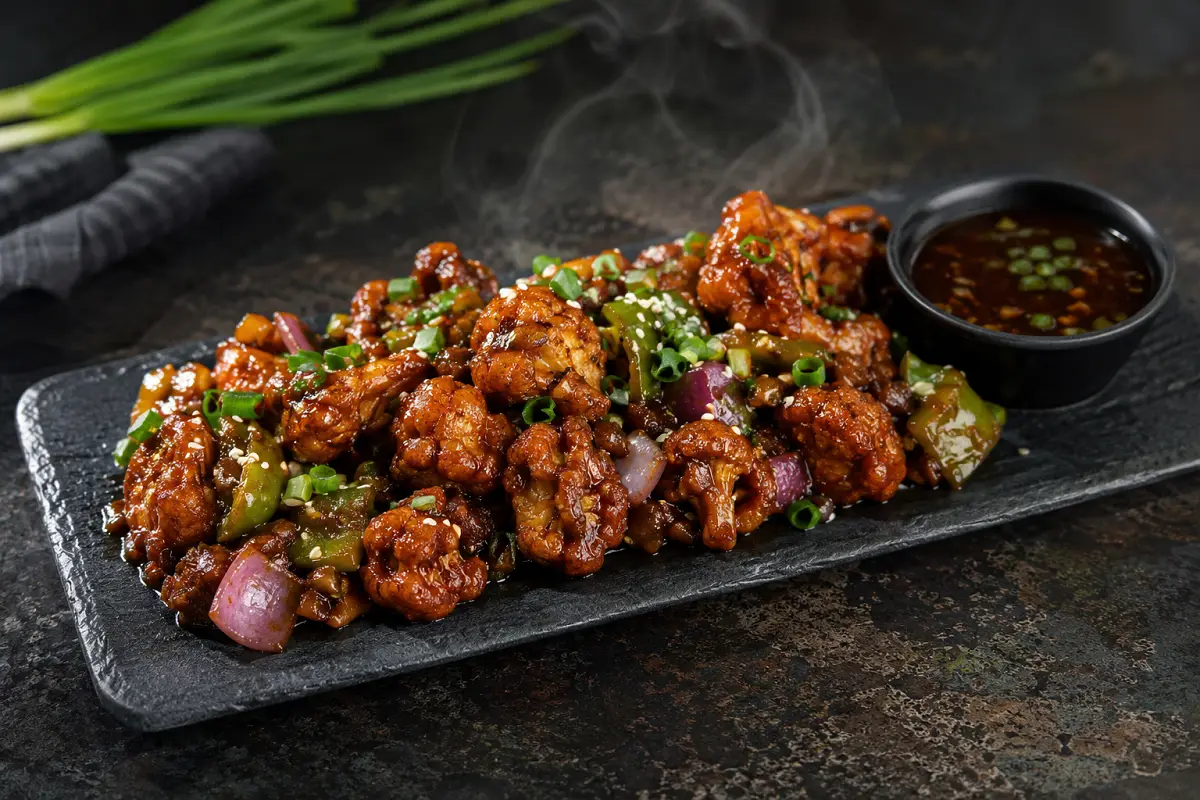
Ask anyone in India what their favourite Indo-Chinese dish is, and there is a very good chance the answer is gobi Manchurian. Crispy, golden-battered cauliflower florets tossed in a tangy, spicy, deeply savoury sauce that hits every flavour note at once this is the dish that converted an entire generation of Indian home cooks to the magic of the wok. It is street food at its most satisfying, and it is far easier to get right at home than most people think.
The challenge has always been the same: how do you get cauliflower a vegetable that releases a significant amount of moisture when it cooks to stay crispy inside a batter, through the heat of a deep fryer, and then again after being tossed in a hot, wet sauce in a wok? The answer is a specific sequence of steps that most recipes skip, and this recipe covers all of them. The blanching step that ensures the cauliflower is cooked through before it ever touches hot oil. The drying window that removes surface moisture before battering. The double-fry that builds a crust durable enough to survive the wok.
This recipe gives you both the dry gobi Manchurian the crispy appetizer version where the sauce clings to each floret without any pooling liquid and the gravy gobi Manchurian the main course version with a generous, glossy sauce that pairs beautifully with fried rice or noodles. One recipe, two formats, and a complete SOP that covers everything from butchering the cauliflower to plating the finished dish.
What Makes This Gobi Manchurian Special
There are hundreds of gobi Manchurian recipes online. Most of them produce a reasonable result. This one is built to produce a genuinely great result here is why it is different:
- The blanch-before-batter technique: Raw cauliflower takes longer to cook through than the batter takes to brown. If you batter and fry raw cauliflower, you have two choices a perfectly browned batter with a raw, crunchy interior, or a cooked interior with a burnt batter. Blanching for exactly 3 minutes in salted boiling water solves this completely. The florets are par-cooked through, the batter browns at the right pace, and the interior is tender without being mushy.
- The complete drying step: After blanching, the cauliflower must be spread on a wire rack or tray and dried for at least 10 minutes. Any surface moisture goes directly into the batter, making it thin, patchy, and unable to form a crust. This step costs 10 minutes and adds enormous quality to the finished dish.
- A thick, structured batter: The batter here uses a higher ratio of cornstarch to plain flour than most recipes, plus a small amount of rice flour. Rice flour adds exceptional crispiness to the crust it is the same technique used in Korean fried chicken and Japanese tempura, and it makes a significant, noticeable difference to the texture of the finished gobi.
- Double-fry for lasting crunch: A first fry at 165°C sets the batter and par-cooks the coating. A second fry at 185°C immediately before wok-tossing drives out the last of the internal moisture and builds the shatteringly crisp crust that holds through the sauce step.
- The Manchurian sauce formula: The sauce in this recipe is built on a precise balance of dark soy, light soy, rice vinegar, chilli sauce, tomato ketchup, and oyster sauce the classic Indo-Chinese Manchurian base. The tomato ketchup is not a shortcut; it is a traditional ingredient in Indo-Chinese cooking that adds sweetness, body, and the characteristic red tint of Manchurian sauce without which the dish simply does not taste right. Indo-Chinese cuisine has a fascinating history rooted in the Hakka Chinese community of Kolkata and has evolved into one of India's most beloved culinary traditions.
Also Read: Chilli Paneer
Ingredients Overview
The cauliflower should be broken into medium-sized florets approximately 4–5cm across. Too small and they cook too fast, the batter burns before the centre is done even with blanching; too large and the batter-to-cauliflower ratio is too low and the coating looks thin and sparse. Medium, uniform florets give you the best visual result and the most satisfying texture.
The batter uses three dry ingredients in combination: cornstarch for the structural crust, plain flour (maida) for body and colour, and rice flour for maximum crispiness. The liquid component is cold water cold water inhibits gluten development in the flour, which keeps the batter light and airy rather than dense and doughy. A tablespoon of soy sauce in the batter adds seasoning that goes directly into the crust, so every bite of the cauliflower is flavoured even before it touches the Manchurian sauce.
For the sauce, tomato ketchup is a non-negotiable traditional ingredient in gobi Manchurian do not substitute it with tomato purée or fresh tomato. The ketchup provides a specific sweetness and vinegar balance that is part of the dish's flavour identity. Mushroom oyster sauce is the ideal oyster sauce substitute for a fully vegan version and is available at most Indian grocery stores with an Asian foods section. All other sauce ingredients soy sauce, rice vinegar, chilli sauce, sesame oil are already plant-based.
How to Make It
Blanch the cauliflower for 3 minutes, drain, and dry completely. Make the batter, coat the florets, and fry in two stages. Build the Manchurian sauce in a scorching-hot wok aromatics, vegetables, sauce mix, cornstarch slurry then toss the fried gobi through the sauce, finish with sesame oil and spring onions, and serve immediately. The full active cooking time is about 30 minutes once everything is prepped.
As with all Indo-Chinese wok cooking, complete mise en place before lighting the burner is essential. The wok stage moves in under 10 minutes and there is no time to measure or chop once the garlic hits the oil.
Tips for Best Results
- Blanch, do not skip. Three minutes in well-salted boiling water is the sweet spot for cauliflower that will be battered and fried. Less than 3 minutes and the interior stays too firm; more than 3 minutes and the florets become fragile and crumble when battered and lifted into the oil.
- Dry the blanched cauliflower thoroughly. Spread on a wire rack, pat with kitchen paper, and leave uncovered for a minimum of 10 minutes. The drier the surface, the better the batter adheres and the crispier the final crust.
- Use cold water in the batter. Cold water slows gluten development and keeps the batter light. If your kitchen is warm, use water with a few ice cubes in it. The difference between a batter made with cold water and one made with room-temperature water is genuinely visible in the final texture of the crust.
- Do not stir the batter excessively. Mix until just combined a few small lumps are fine and actually desirable. Over-mixed batter develops too much gluten and produces a tough, chewy crust rather than a light, crispy one.
- Serve the dry version within 5 minutes of tossing. The cauliflower batter absorbs sauce moisture faster than a denser ingredient like paneer or chicken. For parties, complete the double-fry in advance and do the wok-tossing in the final 5 minutes before service.
Serving Suggestions
Dry gobi Manchurian is a natural starter and street food snack serve in a wide shallow bowl with toothpick skewers and extra chilli sauce on the side. It works brilliantly as part of a mixed Indo-Chinese platter alongside chicken spring rolls and chilli paneer, where the three dishes cover different textures (crispy rolls, golden battered paneer, and glossy-sauced cauliflower) and different visual profiles on the same board.
Gravy gobi Manchurian pairs naturally with vegetable fried rice or vegetable hakka noodles for a complete vegetarian Indo-Chinese meal. [INTERNAL LINK: Vegetable Fried Rice Recipe] The richness and depth of the Manchurian gravy also makes it a very satisfying main course on its own served over plain steamed rice add a drizzle of chilli oil and extra spring onions for a quick weeknight dinner that takes the full recipe from wok to table in under 35 minutes.
Storage and Reheating
Store cooked gobi Manchurian (either version) in an airtight container in the fridge for up to 2 days. The cauliflower will soften overnight as it absorbs sauce moisture this is unavoidable with any battered vegetable in sauce. To partially restore crispiness when reheating, spread the pieces on a baking tray and reheat in the oven at 200°C for 10 minutes, or in the air fryer at 190°C for 6–7 minutes, then toss quickly in a heated pan with a splash of sauce or chilli oil. Reheating in a microwave makes the batter uniformly soft and is not recommended.
For the best make-ahead party strategy, complete the double-fry up to 2 hours before the event and store the fried gobi on a wire rack at room temperature. Make the sauce base up to 24 hours ahead and refrigerate. Do the wok-toss fresh, 5 minutes before serving this approach gives you the full freshly-made experience with almost none of the last-minute stress.
Variations and Substitutions
- Chilli gobi: Follow the exact same batter and frying method, but replace the Manchurian sauce with the chilli paneer sauce formula from the previous recipe (soy, rice vinegar, chilli sauce, oyster sauce, without the ketchup). The result is a sharper, more fiery version that sits closer to the chilli paneer flavour profile.
- Schezwan gobi Manchurian: Add 2 tablespoons of Schezwan sauce to the Manchurian sauce mix and reduce the chilli sauce quantity by half. The Schezwan sauce adds a numbing, deeply spiced heat that transforms the dish into a bolder, more complex variation popular with spice-lovers.
- Mushroom Manchurian: Replace the cauliflower with large button mushrooms or oyster mushrooms, halved and patted very dry (skip the blanching step). Follow the same batter and frying method, reducing frying time by 1–2 minutes as mushrooms cook faster than cauliflower. The earthiness of the mushroom pairs beautifully with the Manchurian sauce.
- Baked gobi Manchurian: Toss the blanched, dried cauliflower florets in the batter. Spread on a wire rack over a lined baking tray, spray generously with oil, and bake at 220°C for 22–25 minutes, flipping halfway, until golden and crispy. Then toss in the Manchurian sauce as per the wok directions. Significantly lighter than the fried version and very good for everyday cooking.
- Gobi Manchurian with noodles: Add 200g of par-cooked hakka noodles to the wok after tossing the gobi in the sauce. Stir-fry everything together for 90 seconds. This one-pan version makes an excellent, complete weeknight meal with no additional dishes required.
Preparation Method
Start by breaking the cauliflower into even medium florets. Remove the thick central stalk it cooks at a different rate from the florets and throws off the blanching timing. Blanch in well-salted boiling water for exactly 3 minutes, then drain and spread on a wire rack to dry. While the cauliflower dries, make the batter, prepare all sauce ingredients, and prep the aromatics and vegetables for the wok.
The batter should be made with cold water and mixed until just combined. Coat each floret individually dip, tap off the excess, and place on a tray rather than dunking all florets at once, which causes them to stick together and produces uneven coverage.
Standard Operating Procedure (SOP)
Step 1 Cauliflower prep: Break into even 4–5cm florets. Remove thick central stalk sections. Wash thoroughly and dry.
Step 2 Blanch: Bring a large pot of well-salted water to a full rolling boil. Add cauliflower florets. Blanch for exactly 3 minutes. Drain immediately in a colander. Spread on a wire rack in a single layer.
Step 3 Dry: Pat each floret with kitchen paper. Leave on the wire rack uncovered for a minimum of 10 minutes. The surface must be completely dry before battering.
Step 4 Make batter: Whisk cornstarch, rice flour, plain flour, soy sauce, white pepper, red chilli powder, salt, and garlic powder together. Add cold water gradually until a thick, coating batter forms. Do not over-mix.
Step 5 Coat florets: Dip each dried floret individually in the batter, tap off the excess, and place on a clean tray. Do not stack or they will stick together.
Step 6 First fry at 165°C: Fry in small batches for 3–4 minutes until pale golden and batter is set. Drain on a wire rack.
Step 7 Second fry at 185°C: Re-fry all florets for 60–90 seconds until deeply golden and crispy. Drain on wire rack. Set aside.
Step 8 Combine sauce mix: In one bowl, mix all sauce ingredients (both soy sauces, ketchup, oyster sauce, chilli sauce, rice vinegar, sugar, white pepper, water). Taste and adjust. In a separate bowl, mix cornstarch slurry.
Step 9 Heat wok to maximum: Empty wok over maximum heat for 90 seconds. Add oil. Add aromatics garlic, ginger, spring onion whites, green chillies simultaneously. Stir-fry 30 seconds.
Step 10 Vegetables: Add onion and bell pepper squares. Stir-fry maximum heat 2 minutes until lightly charred at edges but still crisp.
Step 11 Sauce: Pour in sauce mix. Bring to rapid boil 30–45 seconds. Add cornstarch slurry in a thin stream while stirring. Cook to desired consistency thick and clinging for dry, flowing and glossy for gravy.
Step 12 Toss gobi: Add double-fried gobi. Toss gently for 60 seconds maximum. Every floret should be glossed in sauce without the batter breaking.
Step 13 Finish and plate: Remove from heat. Add sesame oil and spring onion greens. Toss once. Plate immediately. Garnish and serve within 5 minutes.
Garnish and Presentation
Gobi Manchurian has one of the most visually appealing colour profiles in Indo-Chinese cooking the deep, mahogany-red of the Manchurian sauce against the golden batter crust, the bright green of the spring onions, and the pale white of the sesame seeds. This natural palette requires very little garnish work to look restaurant-quality.
The key garnishes are thinly sliced spring onion greens scattered generously over the finished dish immediately before serving, a scattering of toasted white sesame seeds, and a few rings of fresh red chilli. For the dry version, a final drizzle of sesame oil over the plated dish adds a glossy sheen that makes every floret look lacquered and professional. A small side bowl of extra chilli sauce or Schezwan sauce gives guests a dipping option and adds another visual element to the plate.
For the gravy version, a swirl of dark soy sauce around the inner edge of the serving bowl (dragged with a spoon) creates a decorative border that frames the Manchurian gravy beautifully and adds a visual depth cue that signals the sauce's richness.
Plating and Serving Tips
For the dry version as a party starter, serve in a wide, shallow dark bowl or on a flat black ceramic plate. Arrange the florets in a slight mound not flat so the dish has height and dimension. Insert cocktail toothpick skewers into 5–6 florets for easy pick-up eating at parties, and place a ramekin of extra chilli sauce alongside. The dark plate makes the golden-and-red colour combination of the Manchurian gobi look genuinely striking.
For the gravy version as a main course pairing, use a deep round bowl with the sauce pooled generously at the base and the gobi florets arranged in the centre, sitting proud of the sauce so their golden tops remain visible. This "islands in sauce" presentation shows both the crust and the gravy at their best and prevents the florets from looking submerged and sodden before the first bite. Scatter the spring onion greens and sesame seeds over the top. Serve immediately alongside a bowl of fried rice.
For a street food presentation that photographs spectacularly, serve the dry gobi Manchurian in a small clay pot or a pressed-leaf bowl (dona) lined with parchment the rustic vessel against the glossy, jewel-toned sauce creates a visual contrast that evokes the roadside dhaba and Indo-Chinese street food stalls where this dish was born. A sprinkle of sev (fine chickpea noodles) on top of the plated gobi adds a distinctly Indian crunch garnish that bridges the Indo-Chinese fusion identity of the dish beautifully.
Made this gobi Manchurian? I would love to see your golden florets in that glossy sauce leave a star rating and a comment below, it genuinely helps other readers find this recipe. Share your wok shots on Instagram and tag us. The glossier the sauce, the louder I will repost!
Ingredients
- 1 medium cauliflower (approx. 700g whole)
- 4 tablespoons cornstarch (cornflour)
- 2 tablespoons rice flour (adds superior crispiness do not omit)
- 2 tablespoons plain flour (maida)
- ½ teaspoon salt
- 1 tablespoon light soy sauce
- 6–8 tablespoons cold water
- ½ teaspoon white pepper powder
- ½ teaspoon red chilli powder (or Kashmiri chilli for milder heat)
- ¼ teaspoon garlic powder (optional adds flavour to the crust itself)
- Neutral oil for deep frying
- 1½ teaspoons cornstarch + 2 tablespoons cold water
Nutritional Information
- Calories: 268 kcal
- Protein: 7g
- Carbohydrates: 32g
- Fat: 13g
- Fiber: 4g
- Sodium: 680mg
- Sugar: 8g
Directions
1. PREP THE CAULIFLOWER
1. Break the cauliflower into even medium florets, approximately 4–5cm across. Remove the thick, woody central stalk pieces — they cook at a different rate from the tender florets and will be undercooked at the same blanching time.
2. Wash the florets thoroughly under cold running water. Drain well in a colander.
2. BLANCH THE CAULIFLOWER
3. Bring a large pot of water to a full, rolling boil. Add 1 teaspoon of salt per litre of water — the water should taste pleasantly salty.
4. Add all the cauliflower florets at once. Blanch for exactly 3 minutes from the moment the water returns to the boil. Set a timer — precision matters here.
5. Drain immediately in a colander. Do not rinse with cold water — rinsing adds surface moisture that you are trying to eliminate.
3. DRY THE CAULIFLOWER COMPLETELY
6. Spread the drained florets in a single layer on a wire rack or a wide tray lined with a clean kitchen towel. Do not stack or crowd them.
7. Pat each floret gently with kitchen paper to absorb surface moisture.
8. Leave uncovered at room temperature for a minimum of 10 minutes — 15 minutes is better if time allows. The surface must be completely dry to the touch before battering. This step is non-negotiable for a crispy result.
4. PREPARE ALL COMPONENTS BEFORE HEATING OIL
9. In one bowl, combine all sauce mix ingredients: light soy sauce, dark soy sauce, tomato ketchup, oyster sauce, chilli sauce, rice vinegar, sugar, white pepper, and water. Stir until the sugar fully dissolves. Taste — the sauce should be bold, tangy, slightly sweet, and well-seasoned. Adjust chilli or vinegar to your preference. Set aside.
10. In a separate small bowl, make the cornstarch slurry for your chosen version (dry or gravy). Stir to combine and set aside — do not add to the sauce mix.
11. Mince garlic and ginger finely. Slit green chillies. Cut onion and both bell peppers into 2.5cm squares. Slice spring onion whites and greens separately. Have every ingredient measured and in individual bowls within reach of your stove.
5. MAKE THE BATTER
12. In a wide bowl, whisk together cornstarch, rice flour, plain flour, soy sauce, white pepper, red chilli powder, garlic powder (if using), and salt until evenly combined.
13. Add cold water one tablespoon at a time, whisking after each addition. Stop adding water when the batter is smooth, thick, and coats the back of a spoon without immediately running off. It should be noticeably thicker than a pancake batter. A few very small lumps are fine — do not over-mix.
6. COAT THE CAULIFLOWER
14. Working one floret at a time, dip each dried floret into the batter. Turn to coat all surfaces evenly. Lift out and tap the floret gently against the side of the bowl to remove any thick excess batter pooling at the base. Place on a clean tray — do not stack.
7. FIRST FRY AT 165°C
15. Heat neutral oil in a deep, heavy pan to 165°C. Test with a small drop of batter — it should sizzle, rise to the surface within 2 seconds, and begin turning pale golden within 60 seconds.
16. Gently lower 6–8 battered florets into the oil — do not crowd. Fry for 3–4 minutes, turning gently once or twice, until the batter is pale golden and set firmly around the cauliflower.
17. Remove with a spider strainer and drain on a wire rack. Allow the oil to return to temperature before frying the next batch. Repeat until all florets are first-fried.
8. SECOND FRY AT 185°C
18. Increase oil temperature to 185°C.
19. Return all pale-golden florets to the hot oil in batches. Fry for 60–90 seconds until the colour deepens to a rich amber-gold and the crust sounds hollow when tapped.
20. Remove immediately and drain on the wire rack. The double-fried gobi can rest at room temperature for up to 1 hour before wok-tossing without losing significant crispiness.
9. HEAT THE WOK
21. Place a wok or wide heavy pan over maximum heat. Heat the empty wok for 90 seconds until very faint wisps of smoke appear from the surface.
22. Add 2 tablespoons of neutral oil. Swirl to coat the wok surface — the oil should shimmer and move immediately.
10. COOK AROMATICS
23. Add minced garlic, ginger, spring onion whites, and slit green chillies all at once. Stir-fry continuously for 30 seconds. They should be intensely fragrant and very lightly golden — not brown, not burned.
11. COOK VEGETABLES
24. Add the onion squares. Stir-fry over maximum heat for 60 seconds — the edges should just begin to char very lightly while the centres remain firm.
25. Add the green and red bell pepper squares. Stir-fry for 90 seconds until the peppers are bright in colour with faint char marks at the corners. They must retain their crunch — do not cook further.
12. BUILD THE SAUCE
26. Give the sauce mix bowl a quick stir. Pour the entire sauce mix into the wok. It will bubble and spit vigorously — this is correct and indicates the wok is at the right temperature.
27. Stir to combine with the vegetables. Bring to a full, rapid boil for 30–45 seconds.
13. ADD CORNSTARCH SLURRY AND ADJUST CONSISTENCY
28. Stir the cornstarch slurry one final time in its bowl (it settles quickly). Add in a thin, steady stream to the boiling sauce while stirring constantly with a wok spatula.
29. For dry version: add half the slurry, stir for 30 seconds, and assess. The sauce should thickly coat the vegetables with very little pooling at the base of the wok. Add the remaining slurry only if more thickness is needed.
30. For gravy version: add all the slurry, stirring constantly for 45–60 seconds until a smooth, flowing, glossy sauce forms.
14. TOSS THE GOBI
31. Add all the double-fried cauliflower florets to the wok at once. Using a wok spatula, fold and toss gently — do not stir aggressively as this will break the batter crust.
32. Toss for 60 seconds maximum over high heat. Every floret should be evenly glossed with sauce. The batter crust should still be visible and intact.
15. FINISH AND SERVE
33. Remove from heat immediately. Add sesame oil. Toss once gently to distribute.
34. Add the spring onion greens. Toss once more.
35. Transfer immediately to the serving bowl or plate — do not leave the gobi in the wok, as residual heat will continue softening the batter.
36. Garnish with additional spring onion greens, toasted sesame seeds, and thin red chilli rings.
37. For dry version — add a drizzle of sesame oil over the plated gobi for gloss. Insert cocktail toothpick skewers into several florets for party serving.
38. Serve within 5 minutes of plating for maximum crunch.
Rate this Recipe
User Reviews
No reviews yet. Be the first to share your thoughts!