Mutton Sukka Recipe with SOP & Presentation Guide (Starter)
Starter Mutton Sukka recipe with SOP & presentation guide for hotel style and restaurant preparation with rich dry masala flavor.
 Tripti Srivastava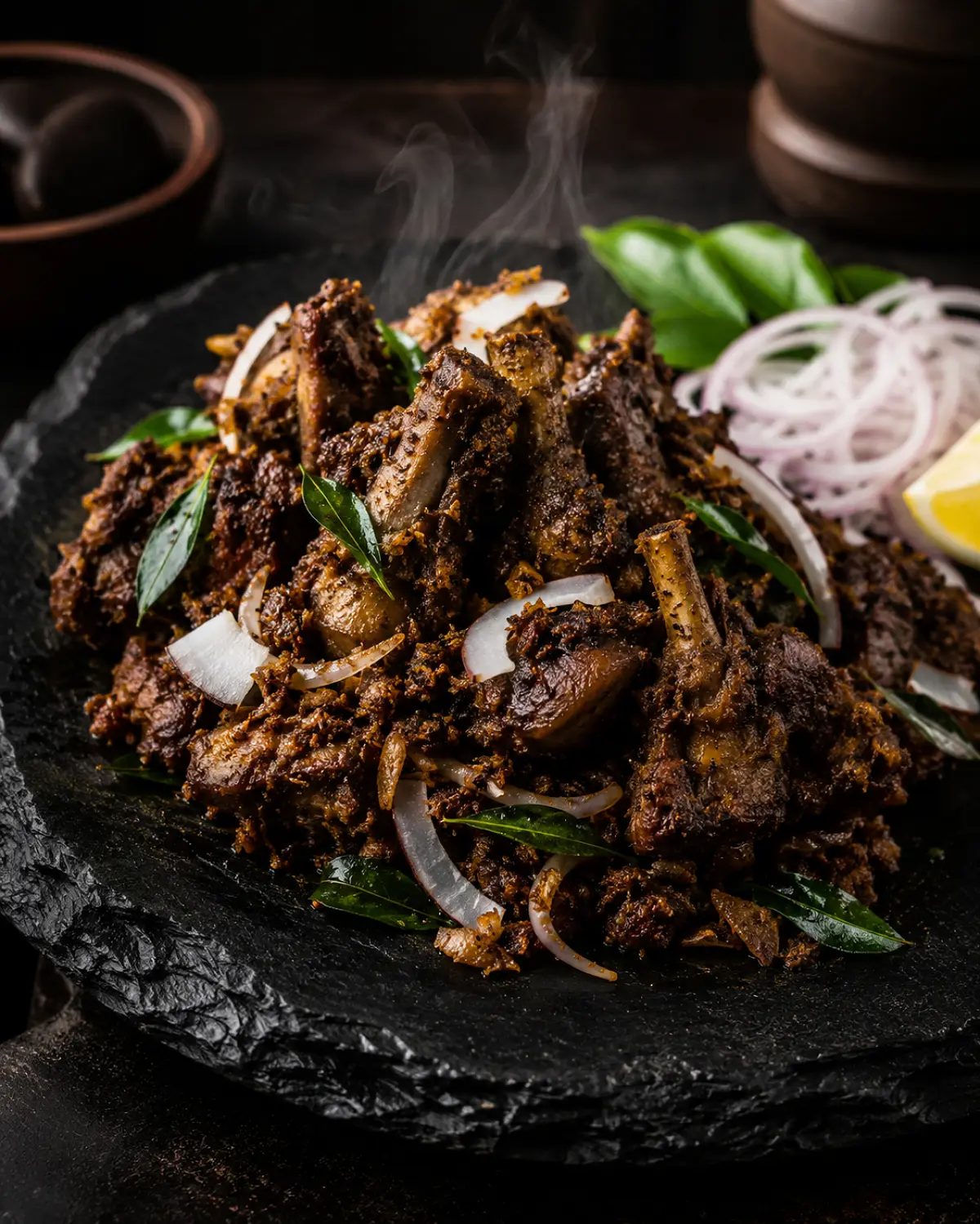
The Mutton Sukka recipe is a hard-hitting, aromatic dry starter recipe you’ll see across hotel kitchens, bars, and serious restaurant lines. Big spices, roasted coconut, and that tight semi-dry finish, that’s what puts it in the premium bracket for buffet spreads, bar snacks, and speciality menus.
In the hospitality game, Mutton Sukka earns its spot because it delivers punch. Deep flavour, regional identity, and a profile that holds up with drinks. You’ll find it across South Indian and coastal menus where guests expect something bold and properly spiced. In a hotel kitchen, it’s all about locking in that depth and repeating it every batch.
The whole dish starts with the mutton. No shortcuts. In hotel kitchens, we prefer tender cuts like boneless shoulder or leg, because you need that fat-meat balance for a juicy bite. Clean it right, trim it tight, and keep every piece uniform. That’s how you control cooking and plating on the line.
Pressure cooking does the most work early. It breaks the mutton down so it’s soft before it even hits the pan. But you control the water and timing too much, and you wash out the flavour; too little, and you fight the texture later. In a pro kitchen, this step is dialed in.
The soul of Mutton Sukka is the roasted coconut masala. Fresh coconut goes into the pan with coriander seeds, cumin, black pepper, and red chillies. You roast it until it smells right, not burnt, not raw. Then grind it coarse. That texture matters. That’s your base.
Onions, curry leaves, and whole spices build the backbone. Onions go down first and take on a proper golden colour, not rushed. That’s where sweetness and depth come from. Curry leaves are added next, instantly lifting the aroma. That’s the signature.
Ginger-garlic paste brings the punch. But don’t rush it; cook it out properly or it’ll sit raw on the palate. In a working kitchen, this is where you clean up the base before building further flavour.
Spice balance decides if this dish works or fails. Red chilli powder gives heat and colour. Turmeric adds depth. Black pepper cuts through with a sharp edge. In hotel cooking, nothing is eyeballed; every batch hits the same mark.
Now the real work: slow sauté. Cooked mutton goes back into the pan with that masala. You keep it moving, let the moisture cook off, and let the meat pull in all that flavour. The goal is a semi-dry finish: no gravy, no excess moisture, just coated meat.
Oil control matters here. You need enough to roast the masala and stop it sticking, but not so much that it sits greasy on the plate. When the oil starts to separate slightly, you know the masala is cooked through. That’s your signal.
Texture is everything. The mutton should stay soft and juicy. The masala should cling; slightly coarse and dry enough to hold. That balance comes from controlled heat, timing, and constant attention.
Flavour builds in layers. Roasted spices, coconut, and curry leaves; each one hits differently. You don’t dump everything and hope. You build it step by step so every bite carries weight.
Plating keeps it clean and sharp. Mutton Sukka goes down neat, finished with fried curry leaves, sliced onions, and lemon wedges. That dark roasted colour does most of the talking on the plate.
On the side, keep it simple: onion salad, lemon wedges, and mint chutney. They cut through the richness and reset the palate between bites. In a hotel setup, these are prepped tight and consistent.
Hygiene with meat is non-negotiable. Proper storage, correct cooking temps, and clean handling are standard kitchen discipline. No compromises.
Portion control keeps the operation tight. Every plate gets the same quantity. That’s how you manage cost and keep the guest experience steady across services.
From a training angle, this dish teaches control handling meat, roasting spices, and managing moisture. It forces you to pay attention to timing and heat, which is exactly what a pro kitchen demands.
Prep makes service smooth. Mutton is pre-cooked, masala is ready, and garnishes are set. When orders come in, it’s all about finishing fast and clean. That’s how you keep the line moving.
You’ll see modern tweaks, less spice, and different plating, but the classic still wins. That roasted coconut, that dry finish, that bold hit of flavour. That’s what people come back for.
Mutton Sukka works because it hits hard: big flavour, tight texture, no nonsense. It’s a natural fit for bar menus and speciality starters where guests want something that stands out.
At the end of the day, this dish is about control and execution. Spice, texture, finish everything needs to land right. That’s what keeps it a staple in hotel kitchens and on restaurant menus.
Also Read: Chicken Pakoda Recipe
Mutton Sukka Recipe Preparation Method
Mutton is pressure cooked until tender and then sautéed with roasted coconut masala, spices, onions, and curry leaves until it reaches a semi-dry consistency with intense flavour.
SOP (Standard Operating Procedure)
Use fresh, tender mutton. Maintain standardised spice and coconut ratios. Control pressure-cooking time. Sauté on medium heat to achieve a dry texture. Follow strict hygiene practices. Ensure consistent portion size and presentation.
Garnish & Presentation
Garnish with fried curry leaves, sliced onions, and lemon wedges. Serve with mint chutney. Maintain dry texture and rich colour for premium hotel-style presentation.
Plating & Serving Tips
Serve hot on flat plates or cast iron platters. Arrange neatly without excess gravy. Avoid overcrowding. It is ideal for bar menus, buffet spreads, and restaurant preparation service.
Ingredients
- Mutton (boneless, cut pieces) – 500 grams
- Oil – 60 ml
- Onion (sliced) – 150 grams
- Ginger garlic paste – 25 grams
- Fresh coconut (grated) – 100 grams
- Curry leaves – 10 grams
- Coriander seeds – 10 grams
- Cumin seeds – 5 grams
- Black pepper – 5 grams
- Dry red chillies – 6 pieces
- Turmeric powder – 2 grams
- Red chilli powder – 6 grams
- Garam masala – 5 grams
- Salt – 10 grams
- Water – 200 ml
- Lemon juice – 15 ml
Nutritional Information
- Calories: 420 kcal
- Protein: 28 g
- Carbohydrates: 10 g
- Fat: 30 g
- Fiber: 2 g
Directions
1. Clean Mutton
Wash and cut mutton into uniform pieces. Drain properly.
2. Pressure Cook
Cook mutton with salt and turmeric using water until tender.
3. Roast Spices
Dry roast coconut, coriander, cumin, pepper, and red chillies.
4. Grind Masala
Grind roasted mixture into coarse paste.
5. Sauté Base
Heat oil, add curry leaves, onions, and sauté until golden.
6. Add Paste
Add ginger garlic paste and cook until aromatic.
7. Add Mutton
Add cooked mutton and mix well.
8. Add Masala
Add ground masala and spices. Cook on medium heat.
9. Dry Cook
Cook until moisture reduces and oil separates.
10. Finish & Plate
Add lemon juice, mix, and serve hot with garnish.
Rate this Recipe
User Reviews
No reviews yet. Be the first to share your thoughts!