Chinese Airlines Resume Flights to North Korea as Travel Links Gradually Reopen
Chinese airlines are resuming flights to North Korea in 2026, signaling a gradual reopening of travel links and renewed regional connectivity.
 Jishan Khan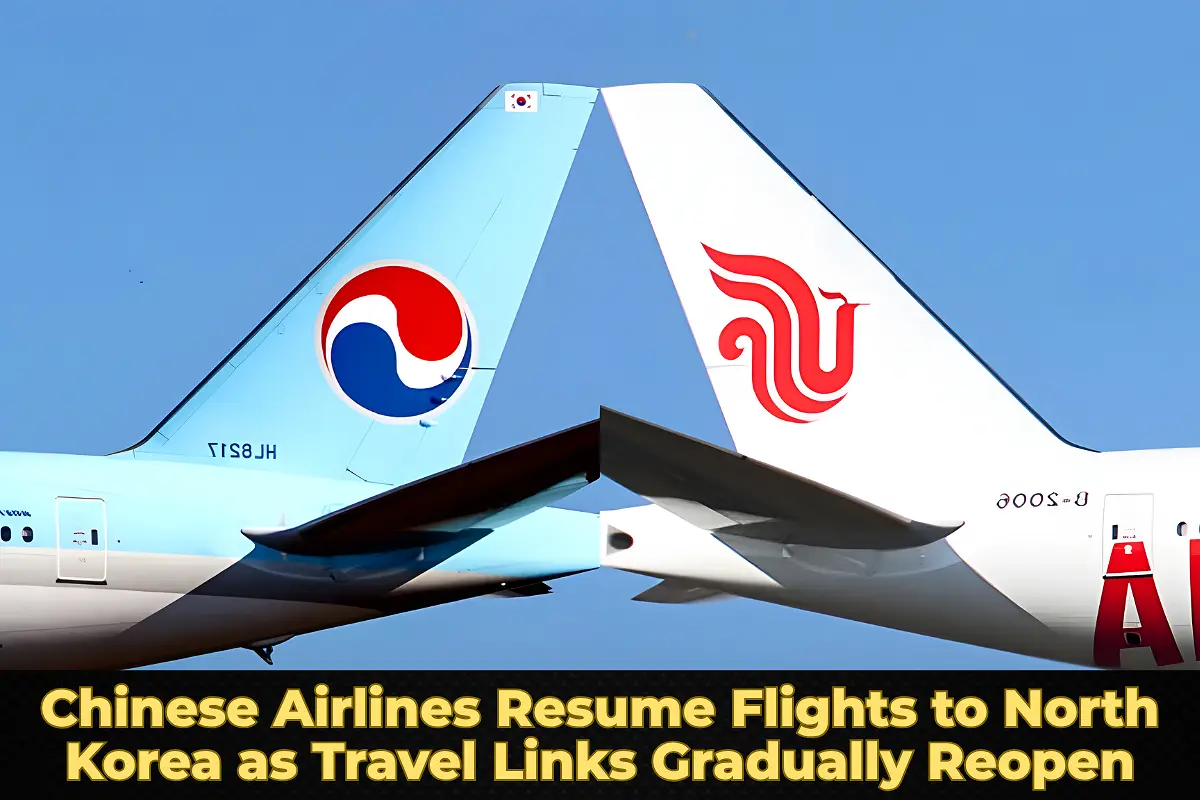
Chinese airlines have begun resuming flights to North Korea in 2026, marking a gradual reopening of air travel between the two countries as authorities move to restore connectivity, support economic activity, and ease long-standing travel restrictions that had limited cross-border movement in recent years.
The resumption of flights, primarily linking major Chinese cities with Pyongyang, comes after an extended period of limited operations driven by geopolitical tensions, pandemic-related restrictions, and operational constraints. The renewed services signal a cautious normalization of aviation ties between China and North Korea, with both governments appearing to support a phased return to regular connectivity.
Gradual Return of Air Services
Airlines in China have restarted select routes to North Korea, focusing initially on essential travel and limited passenger volumes. The move is seen as part of a broader effort to reestablish transportation links that are critical for trade, diplomacy, and humanitarian engagement.
Flights are being introduced in a controlled manner, with schedules and frequencies adjusted to reflect demand and regulatory requirements. Industry observers note that capacity remains limited compared to pre-restriction levels, with airlines adopting a cautious approach as they assess market conditions and operational feasibility.
The return of these routes represents a significant step toward restoring connectivity between the two neighboring countries, which share close political and economic ties.
Key Drivers Behind the Resumption
The decision to resume flights is influenced by multiple factors, including improving public health conditions, easing of travel restrictions, and a desire to revive economic exchanges. Air connectivity plays a vital role in facilitating trade, tourism, and official travel, making its restoration a priority for both governments.
China remains North Korea’s primary economic partner, and improved transportation links are expected to support bilateral trade and cooperation. The resumption of flights may also enable the movement of personnel, goods, and services more efficiently.
In addition, the gradual reopening aligns with broader regional trends, as countries across Asia continue to restore international travel networks disrupted in previous years.
Operational and Regulatory Considerations
Airlines operating these routes must comply with specific regulatory requirements, including health and safety protocols, security measures, and coordination with aviation authorities in both countries. These requirements may limit the pace and scale of the resumption process.
Operational challenges, such as limited airport capacity, logistical constraints, and evolving regulations, continue to shape the rollout of services. Airlines are working closely with authorities to ensure compliance while maintaining operational efficiency.
Passengers traveling on these routes may encounter additional procedures, including documentation requirements and health checks, reflecting the cautious approach taken by regulators.
Impact on Regional Aviation
The resumption of flights between China and North Korea has broader implications for regional aviation, as it contributes to the gradual recovery of international travel in Northeast Asia. While the scale of operations remains relatively small, the move is symbolically significant in signaling progress toward normalization.
Airlines and aviation stakeholders are closely monitoring developments, as the reopening of routes to previously restricted destinations can influence market dynamics and route planning strategies. The success of these initial flights could pave the way for expanded services in the future.
The development also highlights the role of aviation in supporting diplomatic and economic engagement, particularly in regions with complex geopolitical dynamics.
Passenger Demand and Market Outlook
Demand for travel between China and North Korea is expected to recover gradually, driven by a combination of business, official, and limited tourism travel. However, demand levels are likely to remain below historical norms in the near term due to ongoing restrictions and uncertainty.
Airlines are expected to monitor booking trends closely and adjust capacity accordingly. The pace of recovery will depend on factors such as regulatory changes, economic conditions, and traveler confidence.
Industry analysts suggest that while the immediate impact on overall passenger traffic may be modest, the long-term outlook could improve if restrictions continue to ease and connectivity expands.
Economic and Diplomatic Significance
The restoration of air links carries economic and diplomatic significance, as it facilitates interaction between the two countries and supports broader regional stability. Aviation connectivity is often viewed as a key indicator of the state of bilateral relations and cooperation.
Improved access can enhance trade flows, enable business engagement, and support humanitarian initiatives. For North Korea, increased connectivity may provide opportunities to strengthen economic ties and access external resources.
For China, maintaining stable relations and connectivity with neighboring countries remains an important aspect of its regional strategy.
Future Prospects for Expansion
Looking ahead, the resumption of flights could lead to a gradual expansion of routes and frequencies if conditions continue to improve. Airlines may explore additional connections and increase capacity in response to growing demand and regulatory support.
However, the pace of expansion will depend on multiple factors, including geopolitical developments, policy decisions, and operational considerations. Any changes in the broader regional environment could influence the trajectory of aviation recovery.
Stakeholders are likely to take a measured approach, balancing opportunities for growth with the need to manage risks and uncertainties.
Conclusion
Chinese airlines have resumed flights to North Korea on a limited basis, marking a cautious step toward restoring connectivity and signaling a gradual reopening of travel links between the two countries.