Miles & More Launches £180 UK Debit Card With Currensea
Miles & More has launched a £180-a-year debit card for UK customers, making it a new Miles & More UK option through Currensea that gives Lufthansa Group flyers 2 miles per £1 on everyday spending.
 Jishan Khan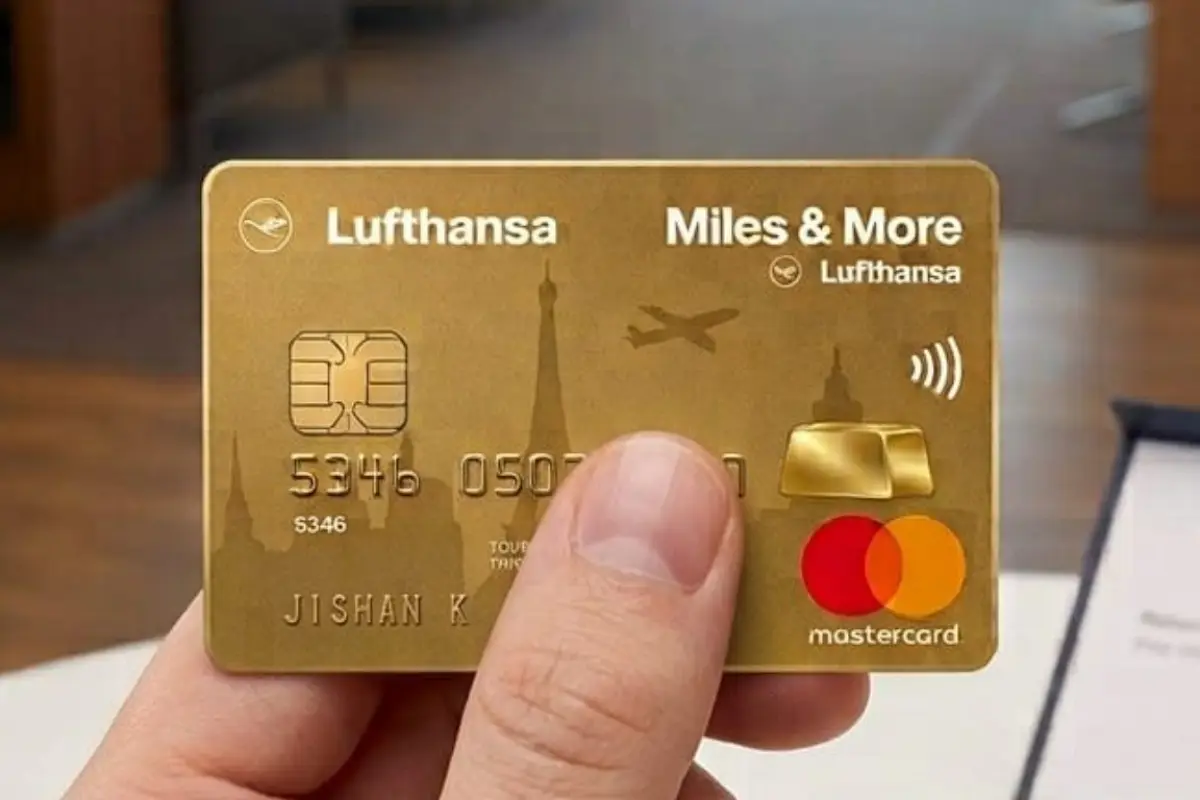
Currensea Just Built Its Fourth Travel Loyalty Card in Under Two Years, and Miles & More Is Betting £180 a Year on Being the One That Actually Earns Its Keep
Miles & More, Lufthansa Group's loyalty programme, launched a co-branded debit card for UK customers on September 7, 2026, built through payments platform Currensea and running on the Mastercard network. The Miles & More UK card links directly to an existing UK current account rather than requiring a new one, charges an annual fee of £180 (waived entirely for HON Circle status holders, free in year one for Senators), and earns 2 miles per £1 spent, a rate headforpoints.com describes as "surprisingly strong for UK spending," sitting only marginally below British Airways premium Amex products and beating the free Virgin Atlantic Reward+ Mastercard outright. It is Currensea's fourth co-branded travel card, following Hilton Honors, Marriott Bonvoy and United MileagePlus, and the first Miles & More product available in the UK market since Lufthansa discontinued its Global Traveller Card back in 2021.
The interesting story here is not that an airline launched a debit card. It is that a single fintech company has quietly become the infrastructure layer underneath nearly every major hotel and airline loyalty programme's push into everyday UK spending and Miles & More UK just had to decide how aggressively to compete inside a market Currensea itself is now shaping.
Why "No New Bank Account" Is the Entire Miles & More UK Product, Not a Feature
Every previous generation of airline-branded payment cards required customers to actually apply for and hold a credit card from a specific bank, a meaningful friction point that limited these products to customers already willing to take on a new credit line, pass an affordability check, and manage a separate account. Currensea's model inverts that entirely: the debit card links directly to a customer's existing current account at one of a defined list of UK banks, with Currensea collecting each transaction via direct debit rather than issuing new credit. James Lynn, Currensea's co-founder and CEO, has built the company's entire commercial proposition around exactly this distinction, removing the credit application, underwriting and account-opening barriers that have historically gated loyalty-linked spending products to only the customers airlines and hotels most wanted to attract in the first place.
That structural choice matters enormously for who Miles & More can now realistically reach. A UK-based occasional Lufthansa Group flyer who does not want a new credit card, does not want a credit check, and simply wants their existing weekly grocery run and fuel spend to generate miles between flights, previously had no product built for them at all. This Miles & More debit card is built specifically for that person, someone who wants loyalty-programme engagement without taking on any new financial commitment beyond a card that behaves exactly like the debit card already in their wallet.
The £180 Question: Why the Miles & More £180 Card Fee Structure Only Makes Sense for Frequent Flyers, By Design
An annual fee of £180 is a genuinely serious cost for a debit card, most UK current account debit cards, even premium ones, charge nothing at all. The Miles & More £180 card is not hiding that this product targets a specific customer segment rather than mass-market debit card users generally: the fee is waived entirely for HON Circle members (Lufthansa Group's top-tier frequent flyer status) and free for the first year for Senators (the mid-tier status below HON Circle), meaning the card is functionally free for exactly the customers who already fly Lufthansa Group airlines often enough to hold elevated status, while everyone else pays full price to access the same earning rate and benefits.
That is a deliberate segmentation strategy, not an oversight. The card is not really designed to attract new customers to Miles & More from scratch, it is designed to give existing frequent flyers, who already generate substantial mileage through flying, a second channel to keep earning between trips without switching away from their normal spending habits, while making the product costly enough that casual, low-frequency members are naturally filtered out by the fee itself. The FX fee structure reinforces the same targeting: Currensea's real-time exchange rate plus a 0.99% markup, landing around 1.49% for non-GBP transactions, higher than the 0.5% fee on Currensea's Marriott and Hilton Plus cards, suggesting Miles & More priced this specific product to extract more margin from cardholders who travel internationally frequently enough to tolerate the higher foreign transaction cost in exchange for the airline-specific perks layered on top.
Why the Perks Reveal Exactly Who Miles & More Actually Wants Holding This Miles & More UK Debit Card
Beyond the mileage earning itself, the card bundles priority check-in at the Lufthansa Business Class desk at London Heathrow, an annual Lufthansa Group Business Lounge voucher, 6GB of global travel data, and a one-time 15% Worldshop discount. Every one of those benefits is calibrated toward someone who already flies Lufthansa Group airlines with some regularity, a lounge voucher and Business Class desk access are worthless to someone who has never flown the group and has no near-term plan to. This is not a card built to convert non-flyers into new Lufthansa Group customers. It is a retention and engagement tool aimed squarely at the airline group's existing customer base, designed to increase how often those customers interact with the Miles & More UK debit card brand and earn miles outside the narrow window of actually being on a Lufthansa Group flight.
The mileage-expiry detail buried in the announcement reinforces the same point: Miles & More confirmed that using the card keeps a member's miles from expiring, including miles already earned previously. That is a genuinely powerful retention mechanism specifically for lapsed or infrequent flyers sitting on a mileage balance they risk losing, giving them a low-effort reason to start using a Miles & More product regularly again, purely through everyday spending, without needing to book a flight at all.
How the Currensea Miles & More Partnership Fits Into the Product Strategy
This is not Currensea's first airline loyalty product, and the timing relative to its United MileagePlus card, launched in March 2026, is instructive. Both cards run on the identical underlying Currensea-Mastercard infrastructure, same direct-debit account-linking model, same "no new bank account" pitch, same core mechanics, differentiated almost entirely by which airline's mileage currency, lounge network and status perks sit on top. That makes Currensea Miles & More part of a broader UK loyalty-card strategy, while UK customers loyal to Star Alliance carriers now face a genuine choice between two structurally similar products from the same payments platform: earn United MileagePlus miles, or earn Miles & More miles, depending on which alliance partner's network and redemption options better fit their actual travel patterns.
That competitive dynamic is precisely why Miles & More needed its earning rate to be "surprisingly strong," per independent reviewer analysis, a mediocre rate would have made the United card the obvious default choice for UK-based Star Alliance loyalists with no strong existing preference, given the two products are otherwise nearly identical in structure and cost.
What This Says About Where Airline Loyalty Programmes Are Actually Heading
Gerald Schlögl, Managing Director of Miles & More GmbH, framed the launch explicitly in structural terms: "Our vision is to shape loyalty for generations to come... making Miles & More more accessible to a broader audience in the UK, enabling them to turn everyday spending into meaningful travel rewards." That is not marketing language describing a debit card, it is a statement about where the programme's future growth is expected to come from. Flight-based mileage earning is inherently capped by how often a given customer actually flies; everyday spending has no such ceiling. An airline loyalty programme that successfully embeds itself into a member's daily grocery shop, fuel purchases and subscription payments captures engagement and brand relevance every single day, rather than only during the handful of days a year that customer is actually travelling.
That is the same broader shift this feed has already tracked in the Marriott-JAL loyalty partnership, airline and hospitality loyalty programmes increasingly functioning less like frequent-flyer schemes and more like financial products competing directly against premium credit cards and everyday banking rewards programmes for a share of customers' daily wallet, not just their travel budget. Currensea having now built essentially the same product four separate times, for four separate travel brands, in under two years, suggests this is not an experimental one-off for any single airline or hotel group. It is becoming the standard template the entire travel loyalty industry is converging toward, with the Lufthansa Miles & More card now giving the programme a direct foothold in the UK everyday-spending market.