El Al Confirms Six Boeing 787-9 Orders, Converts Some to 787-10
El Al has firmed six Boeing 787-9 options and converted part of its order to larger 787-10 aircraft as part of fleet expansion plans.
 Jishan Khan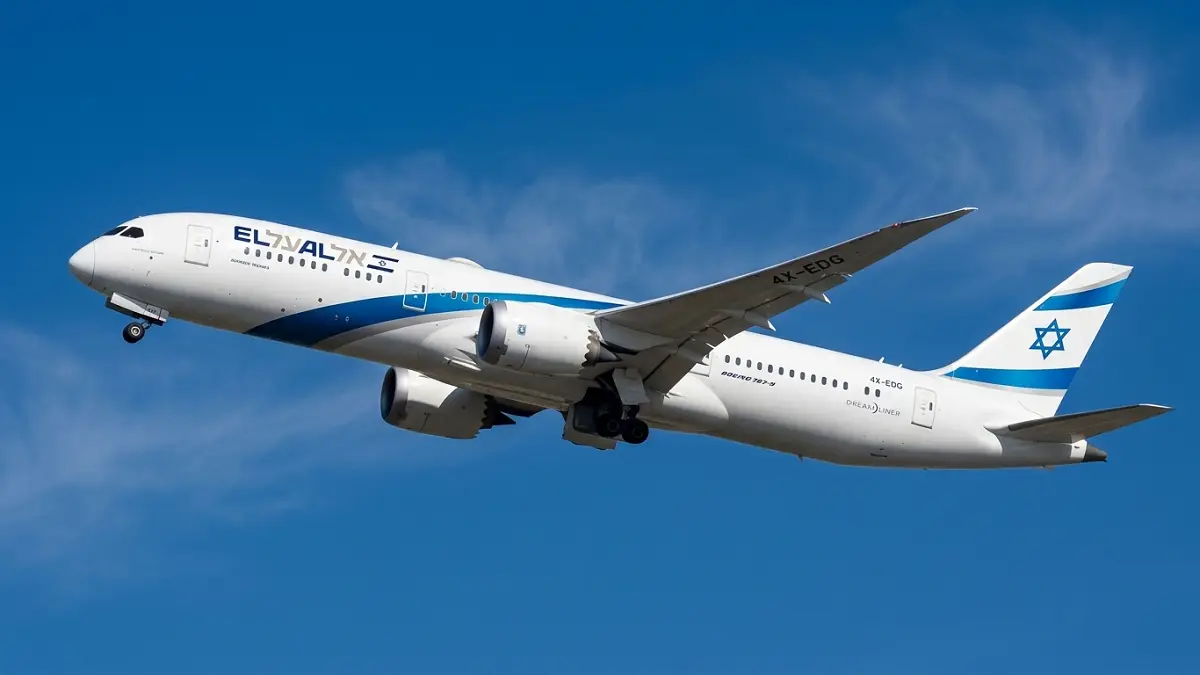
El AL airlines has firmed options for six Boeing 787-9 aircraft and converted part of its existing order to the larger 787-10 variant, advancing its widebody fleet expansion strategy as it strengthens long-haul capacity.
The move marks a significant step in the airline’s ongoing fleet modernization efforts, with the Boeing 787 family forming the backbone of its long-haul operations. The decision reflects a shift toward higher-capacity aircraft while maintaining operational efficiency across its network.
Order Confirmation and Conversion Details
El Al has exercised options for six Boeing 787-9 aircraft, converting previously tentative commitments into firm orders. At the same time, the airline has opted to convert a portion of its existing order to Boeing 787-10 aircraft, the largest variant within the Dreamliner family.
The conversion indicates a strategic adjustment in fleet planning, allowing the carrier to increase seating capacity on selected routes. While the exact number of aircraft converted to the 787-10 has not been disclosed, the shift highlights El Al’s focus on optimizing aircraft size to match demand patterns.
The Boeing 787-10 offers higher passenger capacity compared to the 787-9, making it suitable for high-demand long-haul routes where volume and efficiency are critical.
Fleet Strategy and Aircraft Role
The Boeing 787 family has become central to El Al’s long-haul operations, replacing older widebody aircraft and enabling improved fuel efficiency and passenger experience. The 787-9 provides a balance of range and capacity, while the 787-10 delivers increased seating capacity for denser routes.
By combining both variants within its fleet, El Al can tailor aircraft deployment based on route demand, optimizing load factors and operational performance. The addition of more 787-9 aircraft ensures flexibility, while the introduction of additional 787-10 units supports growth on key international routes.
The fleet strategy reflects a broader industry trend where airlines utilize multiple variants of the same aircraft family to achieve operational versatility and cost efficiency.
Operational and Network Implications
The expansion and reconfiguration of El Al’s widebody fleet are expected to enhance its ability to serve long-haul destinations more efficiently. Larger aircraft such as the 787-10 can reduce per-seat costs on high-demand routes, while the 787-9 maintains flexibility for markets with varying demand levels.
The move also supports the airline’s capacity growth ambitions, allowing it to increase available seats without significantly expanding the number of flights. This approach can improve slot utilization at congested airports and strengthen overall network efficiency.
The deployment of additional widebody aircraft is likely to play a key role in maintaining competitiveness on international routes, particularly in markets with strong demand for direct connectivity.
Industry Context
Airlines globally have increasingly focused on fleet modernization as a means of improving fuel efficiency, reducing operating costs, and enhancing passenger experience. The Boeing 787 family has been a popular choice for long-haul operations due to its advanced technology and operational flexibility.
The decision by El Al to expand and adjust its Dreamliner fleet aligns with this trend, as carriers continue to optimize their aircraft portfolios in response to evolving market conditions and demand patterns.
Widebody fleet decisions remain a critical component of airline strategy, influencing route planning, capacity management, and overall financial performance.
Current Status
EL AL has now secured six additional Boeing 787-9 aircraft and initiated the conversion of part of its order to the 787-10 variant. The updated order structure is expected to support the airline’s long-term growth and operational efficiency goals.
The development reinforces El Al’s commitment to modernizing its fleet and expanding its long-haul capabilities, with further updates on delivery timelines and deployment expected as the program progresses.