JetBlue, Vantage to Redevelop Boston Logan Terminal C
JetBlue and Vantage Airport Group will invest over USD 1 billion to redevelop Terminal C at Boston Logan, modernizing the airline's largest hub.
 Jishan Khan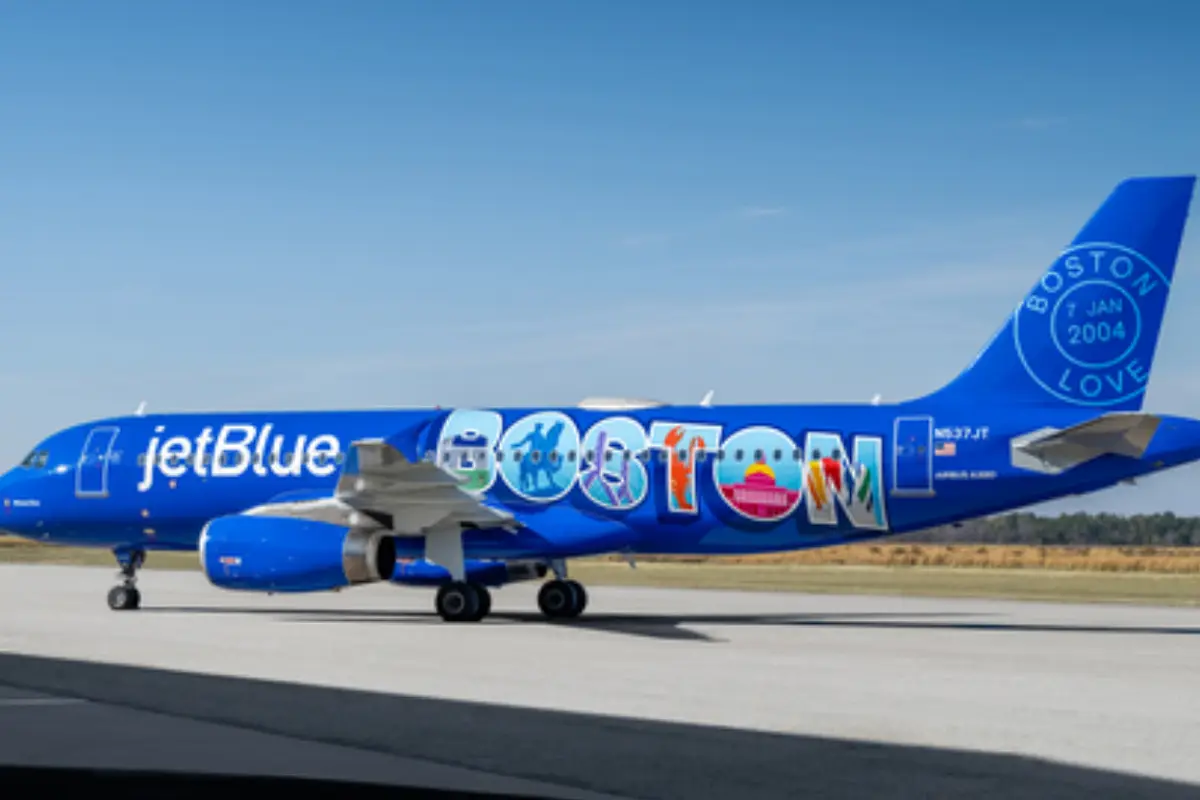
JetBlue Is Spending Over $1 Billion to Fix Its Most Important Airport, and the Government Is Not Paying a Dollar
JetBlue and Vantage Airport Group received preliminary approval from Massport's board on July 16, 2026 to redevelop Terminal C at Boston Logan International Airport in a project valued at more than USD 1 billion. The 60-year-old terminal will be replaced with a modern grand hall featuring soaring ceilings, hexagonal skylights and redesigned gate areas, growing from 220,000 to 300,000 square feet without adding a single gate. Massport CEO Rich Davey was direct: "At this point, Massport is not contemplating putting any dollars in."
An airline and a private developer are funding a billion-dollar airport upgrade. The government authority gets a rebuilt terminal for free. Understanding why JetBlue agreed to that deal is the more interesting story.
Why Boston Is Worth $1 Billion to JetBlue
Boston is JetBlue's largest operation by passenger volume, the airline carries approximately 11.7 million passengers annually through Logan, representing around 27% of the airport's total traffic, serving more than 70 nonstop destinations including a growing transatlantic portfolio to London, Paris, Amsterdam, Dublin and Edinburgh. Terminal C is not just JetBlue's Boston home. It is the physical base of the carrier's entire premium and long-haul growth strategy on the East Coast.
The terminal it currently occupies was built in the 1960s with ceilings that feel low, a post-security layout that pushes passengers left or right with no clear central orientation, and a repositioning area after security that is openly described as too small. For an airline trying to compete with Delta at Logan and differentiate on passenger experience, operating out of a facility that feels like a previous generation of aviation is a genuine commercial problem. The USD 1 billion fixes that problem with a 30 to 35-year lease renewal that locks in JetBlue's Boston position for the next generation.
The Structure That Makes This Work
Vantage Airport Group is the key piece of the financial architecture. The private infrastructure company behind the USD 5.1 billion transformation of LaGuardia's main terminal, completed in 2022, will finance the Terminal C redevelopment and recoup its investment through a cut of lease payments and concession revenues that Massport does not currently share with airlines. In other words, the new retail and dining revenue that a modern terminal generates will flow to Vantage and JetBlue rather than to Massport, replacing the traditional public funding model with a private concession structure.
This is exactly how LaGuardia's Terminal B was rebuilt. The Port Authority of New York and New Jersey put in no public money. Delta and Vantage financed the construction through future revenue streams, delivered a world-class facility, and took the commercial upside. Massport has studied that model closely and is replicating it at Logan, getting a modern terminal without a capital allocation fight in a constrained public budget environment.
Why Terminals Are Becoming Competitive Weapons
The Terminal C decision reflects a broader shift in how airlines think about airport infrastructure. A decade ago, terminals were primarily operational facilities, a place to process passengers and load aircraft. The competition was in the air, on fares, on routes and on frequent flyer programmes. That calculus has changed. Singapore Changi, Doha's Hamad International and the rebuilt LaGuardia Terminal B demonstrated that the terminal experience itself influences booking decisions, loyalty programme value and premium passenger retention in ways that are commercially measurable.
Delta has invested heavily at JFK, Atlanta and Detroit. American owns key positions at Dallas-Fort Worth and Philadelphia. United controls critical infrastructure at Chicago O'Hare and Houston. The airlines that built or control premium terminal infrastructure have structural advantages in their hub cities that go well beyond gate count, they control the passenger experience from curb to seat, and that control shows up in customer satisfaction scores, premium cabin load factors and corporate travel share.
JetBlue is making the same bet at Boston. The terminal project will take five years to complete, ground breaking in approximately a year. By the time it opens, Terminal C will be the newest major terminal at Logan, and JetBlue will have locked in the long-term lease that goes with it.
The Massport CEO said this is not about adding gates. He is right. It is about something harder to replicate than gates.