JetBlue Pilots Sue Union Over United Airlines Partnership Agreement
JetBlue pilots have filed a lawsuit against their union over concerns related to the airline’s partnership with United Airlines, raising questions about labor agreements and operational control.
 Jishan Khan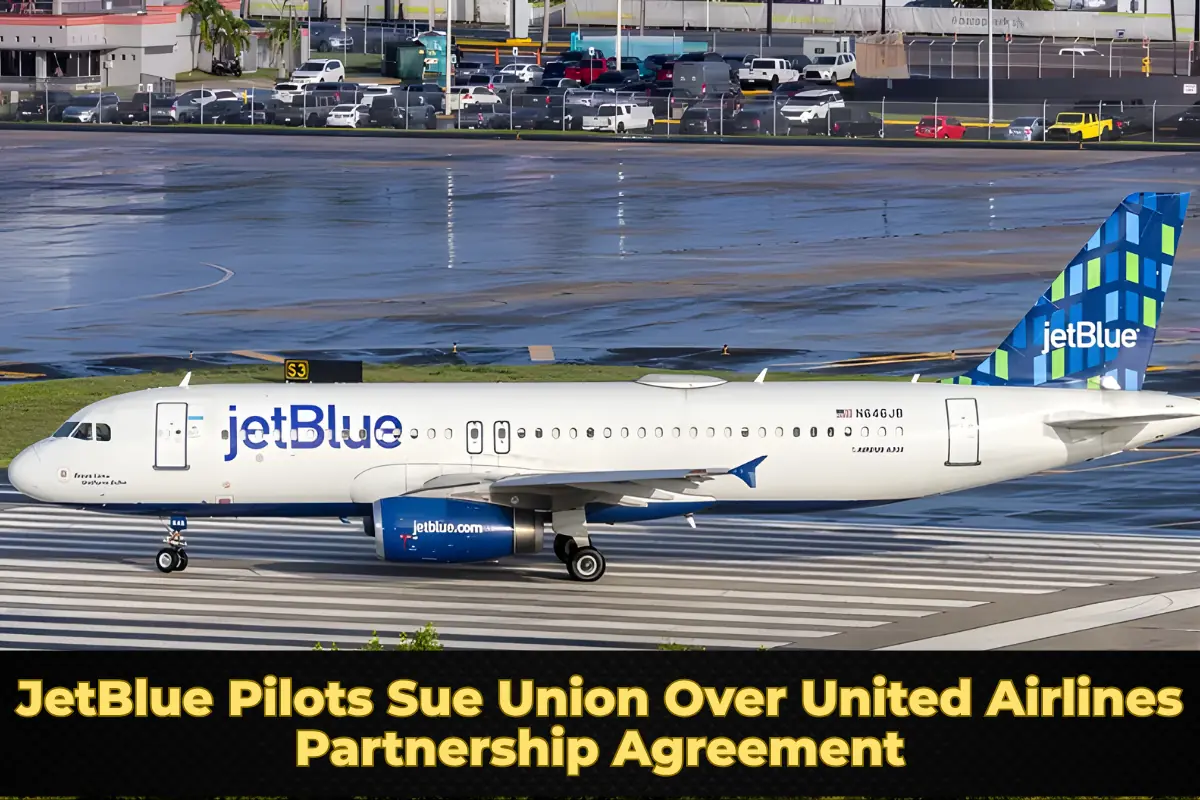
JetBlue Airways pilots have filed a lawsuit against their union in 2026, challenging aspects of the airline’s partnership with United Airlines, in a dispute that raises concerns about labor representation, contractual rights, and the impact of strategic airline alliances. The legal action centers on claims that the union failed to adequately protect pilot interests in relation to the cooperation agreement between the two carriers.
The lawsuit was brought by a group of JetBlue pilots who argue that the union did not properly address key provisions of the partnership, which they believe could affect job security, seniority, and working conditions. The case highlights growing tensions within the airline as it pursues closer ties with United Airlines to strengthen its market position.
Dispute Over Union Representation
The core of the lawsuit focuses on allegations that the pilots’ union did not fulfill its duty of fair representation when handling matters related to the United Airlines partnership. The plaintiffs claim that the union did not adequately consult members or negotiate safeguards to protect pilot interests.
According to the filing, the pilots are concerned that certain aspects of the partnership could lead to operational changes that may disadvantage JetBlue crew members. These concerns include potential shifts in flying assignments, route allocations, and long-term career progression.
The union, which represents JetBlue pilots in labor negotiations, has yet to publicly respond in detail to the claims but is expected to defend its actions in court.
United Airlines Partnership Context
JetBlue and United Airlines have been exploring closer cooperation as part of broader efforts to enhance network connectivity and compete more effectively in the U.S. aviation market. Such partnerships can include code-sharing, coordinated schedules, and other forms of operational alignment.
While these arrangements can provide commercial benefits for airlines, they often raise concerns among employees, particularly pilots, about how integration may affect job roles and employment conditions. The lawsuit underscores the complexity of balancing corporate strategy with labor agreements.
Partnerships between airlines have become increasingly common as carriers seek to expand their reach without committing to full mergers or acquisitions.
Concerns Over Job Security and Seniority
One of the key issues raised by the pilots involves potential impacts on job security and seniority systems, which are critical components of airline employment structures. Seniority determines everything from scheduling preferences to promotion opportunities, making it a central concern for pilots.
The plaintiffs argue that any changes resulting from the partnership with United Airlines could disrupt established seniority rules or create uncertainty about future career progression. They contend that stronger protections should have been negotiated as part of the agreement.
These concerns are not uncommon in the airline industry, where changes in operational structure can have significant implications for workforce management.
Legal and Industry Implications
The lawsuit could have broader implications for the aviation industry, particularly in how unions handle partnerships and alliances involving their members. A ruling in favor of the pilots could set a precedent for increased scrutiny of union decisions and greater accountability in representing employee interests.
Legal experts note that cases involving duty of fair representation can be complex, requiring courts to assess whether unions acted in good faith and within the scope of their authority. The outcome will depend on the specific details of the negotiations and the actions taken by the union.
The case also highlights the importance of clear communication and transparency between unions and their members during periods of organizational change.
JetBlue’s Strategic Positioning
JetBlue has been actively pursuing partnerships and strategic initiatives to strengthen its competitive position in the U.S. aviation market. Collaborations with other airlines can provide access to new routes, shared resources, and increased market reach.
However, such strategies can also create internal challenges, particularly when they intersect with existing labor agreements. Balancing growth objectives with workforce concerns is a key challenge for airline management.
The airline has not publicly commented on the lawsuit in detail but is likely monitoring the situation closely as it continues to develop its partnership strategy.
Union Responsibilities and Challenges
Pilot unions play a critical role in negotiating contracts, protecting working conditions, and representing members’ interests. In situations involving partnerships or alliances, unions must navigate complex negotiations to ensure that agreements align with existing labor contracts.
The allegations in this case suggest that some pilots believe the union fell short in fulfilling these responsibilities. The outcome of the lawsuit may influence how unions approach similar situations in the future, particularly in an industry where partnerships are becoming more prevalent.
Maintaining trust between union leadership and members is essential for effective representation.
Broader Trends in Airline Partnerships
The dispute comes at a time when airline partnerships and alliances are playing an increasingly important role in the global aviation industry. Carriers are seeking to expand their networks and improve efficiency through collaboration rather than consolidation.
These arrangements can create value for airlines and passengers but also introduce complexities in labor relations. Employees may face uncertainty about how changes will affect their roles, leading to potential disputes.
The JetBlue case serves as an example of how such tensions can manifest within the workforce.
Next Steps in the Legal Process
The lawsuit will proceed through the legal system, with both sides expected to present arguments and evidence regarding the union’s actions and the impact of the United Airlines partnership. The timeline for resolution remains uncertain, as such cases can take months or longer to conclude.
In the meantime, the dispute may continue to influence labor relations within JetBlue, potentially affecting negotiations and internal dynamics. Both the airline and the union will likely seek to manage the situation carefully to avoid further escalation.
The case could also attract attention from industry stakeholders and regulators, given its potential implications.
Current Status
JetBlue pilots have initiated legal action against their union over concerns tied to the United Airlines partnership, with the case now set to proceed through the courts as stakeholders monitor its impact on labor relations and airline partnerships.