Lufthansa Strike Grounds 500+ Flights, Hits 90,000 Passengers
Lufthansa cabin crew strike disrupts over 500 flights across Germany, affecting 90,000 passengers during peak Easter travel period.
 Jishan Khan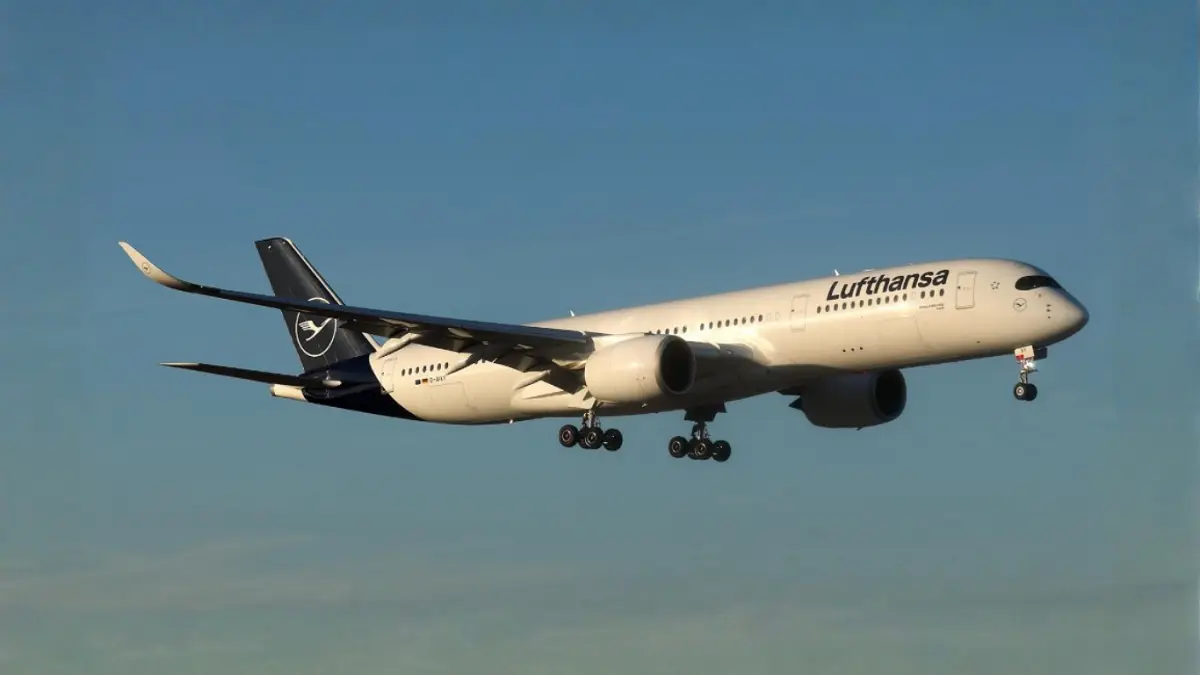
Lufthansa has cancelled more than 500 flights across Germany following a one-day cabin crew strike, disrupting travel for approximately 90,000 passengers during the peak Easter return period. The industrial action, led by unionized crew, has significantly impacted operations at the airline’s major hubs, including Frankfurt and Munich.
The strike was organized by the UFO labour union and includes both Lufthansa mainline cabin crew and staff from its regional subsidiary. The timing coincides with the end of the Easter holiday season, amplifying the scale of disruption as thousands of passengers attempt to return home.
Flight Cancellations and Passenger Impact
According to Germany’s airport industry association ADV, the strike is expected to result in more than 520 flight cancellations, affecting around 90,000 passengers. The disruption is concentrated at major aviation hubs, where Lufthansa operates a large share of its domestic and international network.
Frankfurt and Munich airports have been the hardest hit, with a significant portion of scheduled departures and arrivals cancelled. In some locations, the number of grounded flights has exceeded initial estimates, further complicating recovery efforts.
Passengers have faced widespread delays, rebookings, and cancellations, with many stranded during one of the busiest travel periods of the year. The airline has advised customers to check flight status regularly as operational changes continue throughout the day.
Operational Adjustments and Recovery Plan
Lufthansa has indicated that it expects to operate just over one-third of its planned flight schedule on the day of the strike. This reduced capacity reflects the limited availability of cabin crew and the operational constraints imposed by the industrial action.
The airline aims to restore normal operations beginning the following day, although minor disruptions may persist as schedules stabilize and aircraft and crew are repositioned across the network.
Airlines typically require several hours to fully recover from large-scale disruptions, particularly when they affect hub airports with high connectivity. As a result, knock-on effects may continue even after the strike concludes.
Union Dispute and Labour Tensions
The strike stems from an ongoing dispute between Lufthansa and the UFO union over labour conditions and contract negotiations. Union representatives have stated that the action was taken after the airline failed to present what they consider a negotiable offer.
Joachim Vazquez Burger, head of UFO, acknowledged the inconvenience caused to passengers but emphasized that the responsibility lies with the airline. He indicated that the disruption could have been avoided if meaningful negotiations had taken place earlier.
The dispute highlights broader tensions within the aviation sector, where labour groups are increasingly asserting demands related to pay, working conditions, and job security amid a recovering travel market.
Impact on German Aviation Network
The strike has underscored the vulnerability of airline operations to labour disruptions, particularly at major hub airports. Frankfurt and Munich serve as critical gateways for both domestic and international travel, and any operational disruption at these locations can have cascading effects across the European aviation network.
Lufthansa’s extensive route network means that cancellations at its hubs can affect connecting passengers traveling to and from multiple regions. This includes long-haul routes as well as short-haul European services.
The timing of the strike during a peak travel period has intensified its impact, as airlines typically operate at high capacity during holiday seasons. Reduced flexibility in aircraft and crew availability further complicates recovery efforts.
Current Status
As of now, Lufthansa is working to manage the disruption and assist affected passengers through rebooking and customer support measures. The airline expects operations to return to near-normal levels after the strike ends, though residual delays may continue.
The outcome of ongoing negotiations between Lufthansa and the UFO union remains uncertain, with the potential for further industrial action if an agreement is not reached. For now, the focus remains on restoring operational stability and minimizing additional disruption to passengers.