Mosul Sees First International Flight Since Airport Reopened
Mosul International Airport in Iraq saw its first international departure since reopening, an Umrah charter flown by Iraqi Airways signaling steps toward regular overseas service.
 Jishan Khan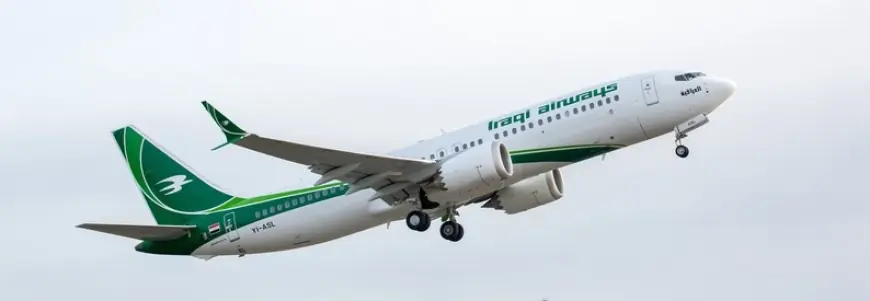
Mosul, Iraq’s northern city long affected by conflict and reconstruction, has seen its first international flight since the reopening of Mosul International Airport, marking a symbolic milestone in the region’s post‑war recovery and aviation development. On January 26, 2026, an Iraqi Airways Boeing 737‑800 departed Mosul on an Umrah charter bound for Madinah in Saudi Arabia, representing the first international departure from the airport since it began reopening operations following extensive reconstruction efforts.
The return of international connectivity comes after more than a decade during which the airport was non‑operational for overseas services. Mosul International Airport was severely damaged and closed following its seizure and destruction by Islamic State militants in 2014, and it remained out of service for years amid conflict and rebuilding. The facility was eventually rehabilitated and began resuming limited domestic operations, with Iraqi Airways relaunching scheduled flights to Baghdad in late 2025.
The January charter flight underscores the strategic importance of restoring Mosul’s air links with key destinations outside Iraq. Although the first international movement was a one‑off charter rather than a regularly scheduled service, airport officials and Iraqi Airways executives have indicated plans are in progress to secure official certification and launch routine international flights in the near future. Such services would enable sustained passenger flows for religious travel, tourism, business and family visits that have historically depended on air connectivity.
The reintroduction of international operations at Mosul’s airport reflects broader efforts by Iraqi civil aviation authorities to decentralise and strengthen the country’s air transport network beyond the major hubs of Baghdad, Basra and Erbil. As domestic demand rebounds and foreign carriers show interest in Middle Eastern and regional connections, Mosul’s return to the international flight map could create new economic opportunities and help integrate the northern region more effectively into global aviation markets.
Aviation sector analysts say the next steps will include securing regulatory approval for scheduled international flights from Iraq’s civil aviation authority and meeting specific infrastructure and safety criteria. Once those prerequisites are in place, airlines such as Iraqi Airways and potential international partners may look to establish regular routes to and from Mosul, offering enhanced connectivity for pilgrims, diaspora communities and leisure travellers alike.
For passengers and aviation professionals, the Mosul international charter departure is more than just a flight; it represents the tangible return of an important piece of infrastructure to global service. The event highlights how airports in post‑conflict environments can become focal points for economic regeneration and societal normalisation, reconnecting previously isolated regions to broader networks of trade and travel.
Looking ahead, stakeholders will monitor how this initial international movement evolves into regular operations, with periodic announcements expected as certification progresses and airline route strategies emerge. The effort reflects a wider regional trend of expanding aviation capacity to meet growing demand in the Middle East, where both regional and international carriers are adapting their networks to capture leisure, religious and business travel flows.