Sun PhuQuoc Brings Eight Ex-American A330-200s
Sun PhuQuoc is bringing eight ex-American Airlines A330-200s out of six years of storage to bridge the gap until its Boeing 787-9 fleet arrives in 2031.
 Jishan Khan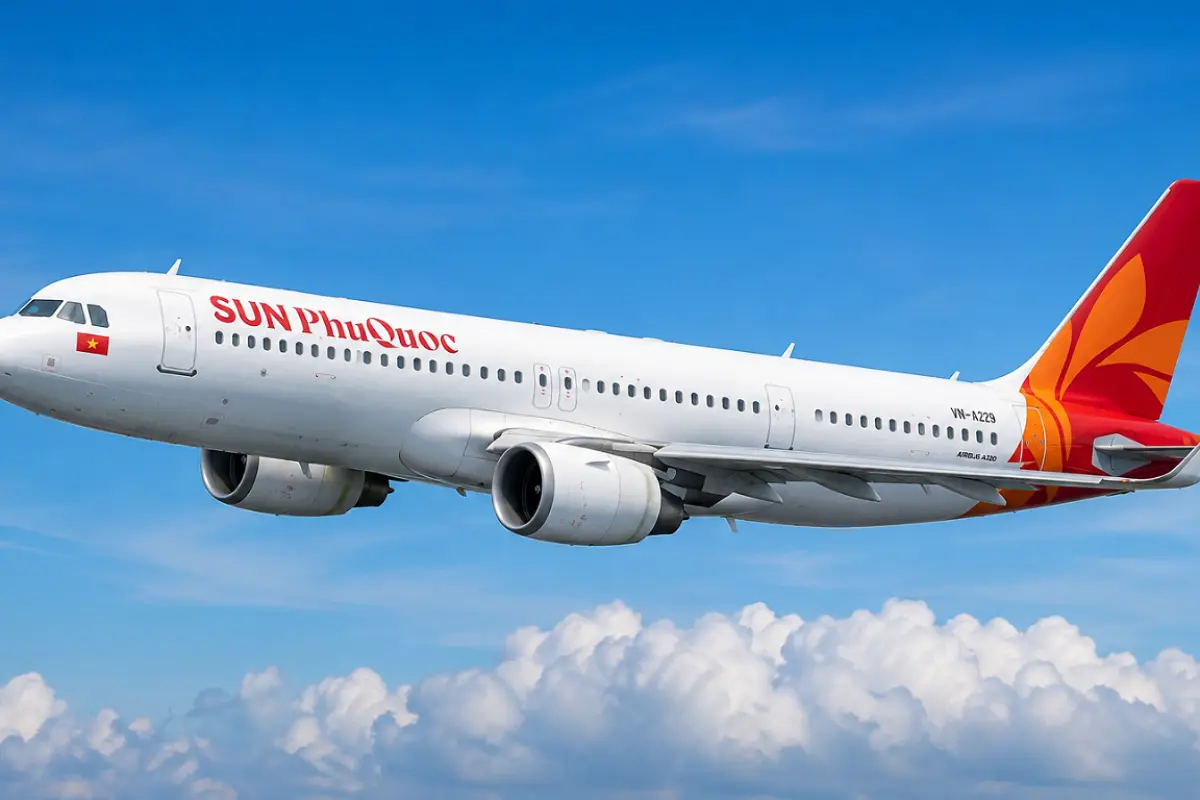
Sun PhuQuoc Bought Eight Widebodies From a Desert in New Mexico, for a Quarter of What They'd Cost New
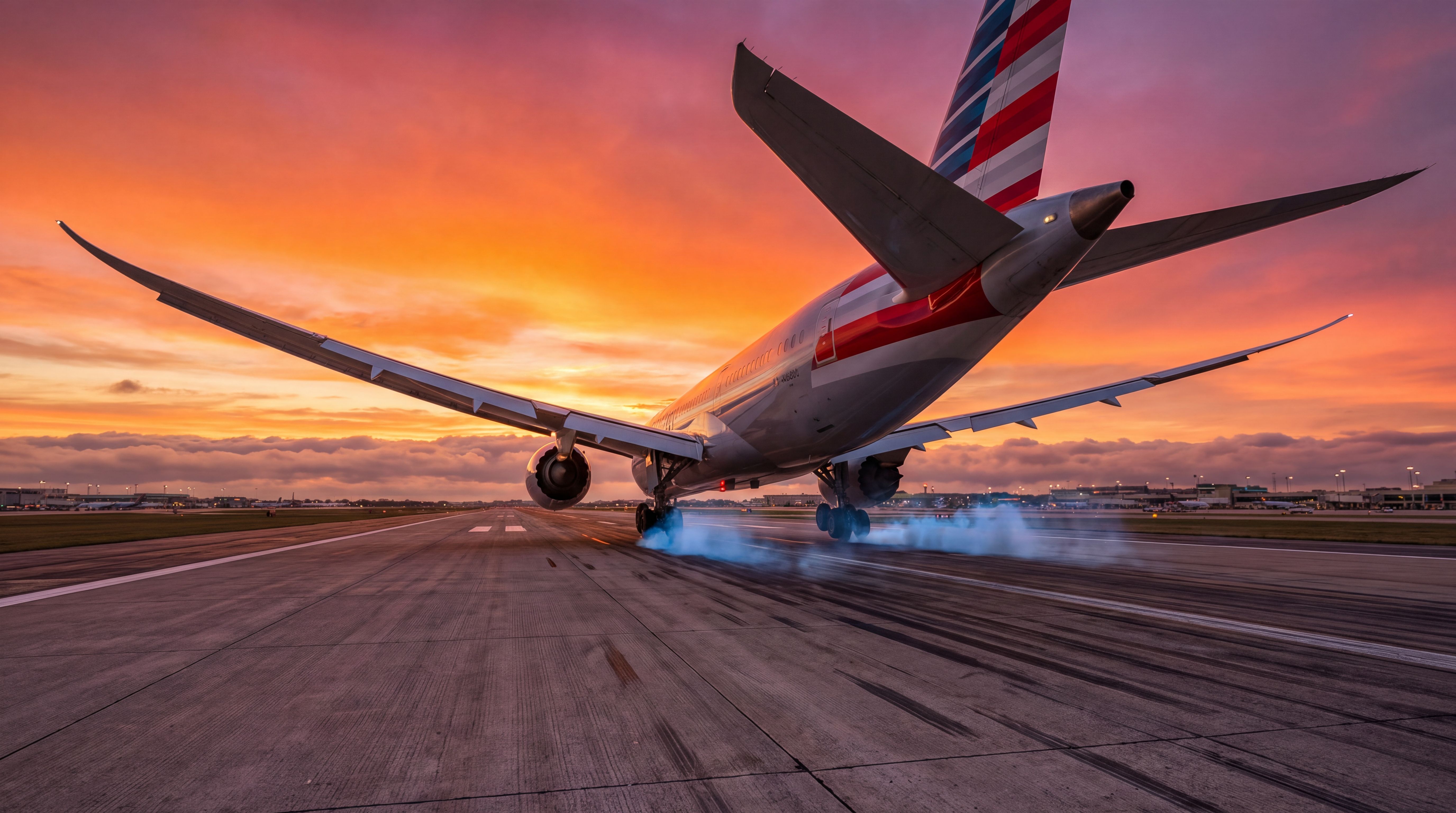
Vietnam's Sun PhuQuoc Airways, which has been flying for barely ten months, has finalised delivery plans for eight Airbus A330-200s previously operated by American Airlines, aircraft that sat in storage at Roswell, New Mexico for six years after American retired its entire A330 fleet in March 2020. Four arrive in 2026, the remaining four by April 2027. It is, by any conventional airline-building timeline, a stunningly compressed path from launch to widebody international operations, and the mechanism behind it is as interesting as the ambition itself.
Why Buying Someone Else's Retired Fleet Was the Smart Move, Not a Compromise
American Airlines' 2020 retirement of its A330 fleet was not a panic decision driven by pandemic desperation alone, it reflected a broader US carrier shift away from the type toward Boeing 787s and Airbus A321XLRs for long-haul missions. That timing left a specific, valuable gap in the market: relatively young A330-200s, some delivered to US Airways as recently as 2013-2014 and retrofitted with brand-new premium cabins, 20 reverse-herringbone business class pods, 21 premium economy recliners, just before the pandemic grounded them entirely. Industry sources indicate Sun PhuQuoc secured these aircraft at roughly $40-50 million each, against a market value closer to $150 million for a comparable used A330 with normal utilisation history. Aircraft that flew a fraction of their designed hours before being parked, now available at a steep discount specifically because nobody else wanted 2020-vintage widebody capacity during a demand collapse, is about as favourable an acquisition window as a startup carrier could hope to find.
The Real Reason the A330s Exist: Boeing's Own Production Backlog
Sun PhuQuoc signed its headline-grabbing letter of intent for up to 40 Boeing 787-9 Dreamliners in February 2026, valued at $22.5 billion, one of the most ambitious single fleet commitments ever made by a startup airline. But those Dreamliners will not begin arriving until 2031, a five-year gap dictated entirely by Boeing's own production queue rather than anything Sun PhuQuoc could control. CEO Nguyen Manh Quan's own framing makes the strategic logic explicit: the A330 fleet is "a strategic move in the airline's development journey," designed specifically to let Sun PhuQuoc "progressively strengthen routes to South Korea, Russia, Kazakhstan, Japan and Australia, while exploring expansion to several destinations in Europe", years before a single 787 touches down at Phu Quoc.
That is the entire commercial rationale in one sentence: an airline unwilling to wait five years to start building international long-haul brand recognition and route rights, using a discounted interim widebody fleet to buy itself an early runway into markets its eventual Dreamliner fleet will serve permanently.
From a Single Domestic Launch to a Three-Tier Fleet in Under a Year
Sun PhuQuoc received its Air Operator's Certificate in September 2025 and launched its first domestic services just two months later, in November 2025, an airline that, as of earlier this year, operated a straightforward all-Airbus narrowbody fleet of 17 A320-family aircraft split between A320neos, A321s and A321neos. Within the same operating year, the carrier has now layered a widebody A330 bridge fleet on top of that narrowbody base, with a further, entirely separate 787-9 order sitting behind both. That is not incremental fleet growth, it is three distinct aircraft categories being stood up almost simultaneously, a pace this feed has rarely documented even among aggressively expanding Gulf carriers like Riyadh Air or flynas, both of which built their widebody ambitions over multiple years of staged ordering rather than compressing narrowbody, bridge-widebody and flagship-widebody commitments into a single twelve-month launch window.
Why AJW Group's Involvement Matters More Than It Sounds
A detail easy to overlook amid the aircraft numbers: UK-based AJW Group has signed a Power-by-the-Hour and Main Base Kit agreement with Sun PhuQuoc specifically covering components and repairs for the incoming A330 fleet. That arrangement matters because a brand-new airline entering widebody operations for the first time, with aircraft that spent six years in desert storage, faces a genuinely nontrivial maintenance and reliability risk if it tries to build that support infrastructure from scratch. A Power-by-the-Hour agreement, where a specialist MRO provider bills based on flight hours rather than requiring the airline to hold its own spare parts inventory and maintenance capability, is precisely the kind of external support structure that lets a startup carrier operate widebody aircraft credibly without first building years of in-house widebody maintenance experience, mirroring how airlines this feed has covered elsewhere manage exactly this kind of technical capability gap during rapid fleet transitions.
What This Means for Phu Quoc as a Destination, Not Just an Airline
Sun PhuQuoc's entire identity is inseparable from parent company Sun Group's broader development of Phu Quoc as a tourism destination, this feed's earlier coverage of the airline's capital increase to roughly $505 million and its rapid seven-country international network buildout documented exactly this vertically integrated model, where the airline exists specifically to fill resorts Sun Group itself is simultaneously building. Extending that network toward South Korea, Japan, Kazakhstan, Russia and eventually Europe via the A330 bridge fleet is not simply route expansion for its own sake, it is Sun Group building the long-haul passenger feed that its Phu Quoc resort and infrastructure investment requires to justify its own scale, years before the airline's flagship 787 fleet is even scheduled to exist.
The Question This Fleet Strategy Actually Answers
Whether Sun PhuQuoc can fill eight ex-American widebodies, sustain the operational discipline required to run genuinely new long-haul international routes as a carrier that did not exist a year ago, and do so profitably enough to justify the far larger 787 commitment sitting behind it, is the real test this bridge-fleet strategy sets up. But the approach itself, buying discounted, lightly-used widebody capacity to compress a five-year Boeing production wait into an immediate market entry, is a genuinely clever piece of fleet engineering, one that gives Sun PhuQuoc years of real operational widebody experience, crew training and route-proving before its flagship Dreamliners ever arrive, rather than sitting idle on narrowbody-only operations until 2031 and then attempting to launch long-haul international flying cold.