South Korea’s T’way Air Rebrands as Trinity Airways in Strategic Transformation Move
South Korea’s T’way Air has rebranded as Trinity Airways as part of a strategic transformation aimed at expanding its global presence and enhancing competitiveness.
 Jishan Khan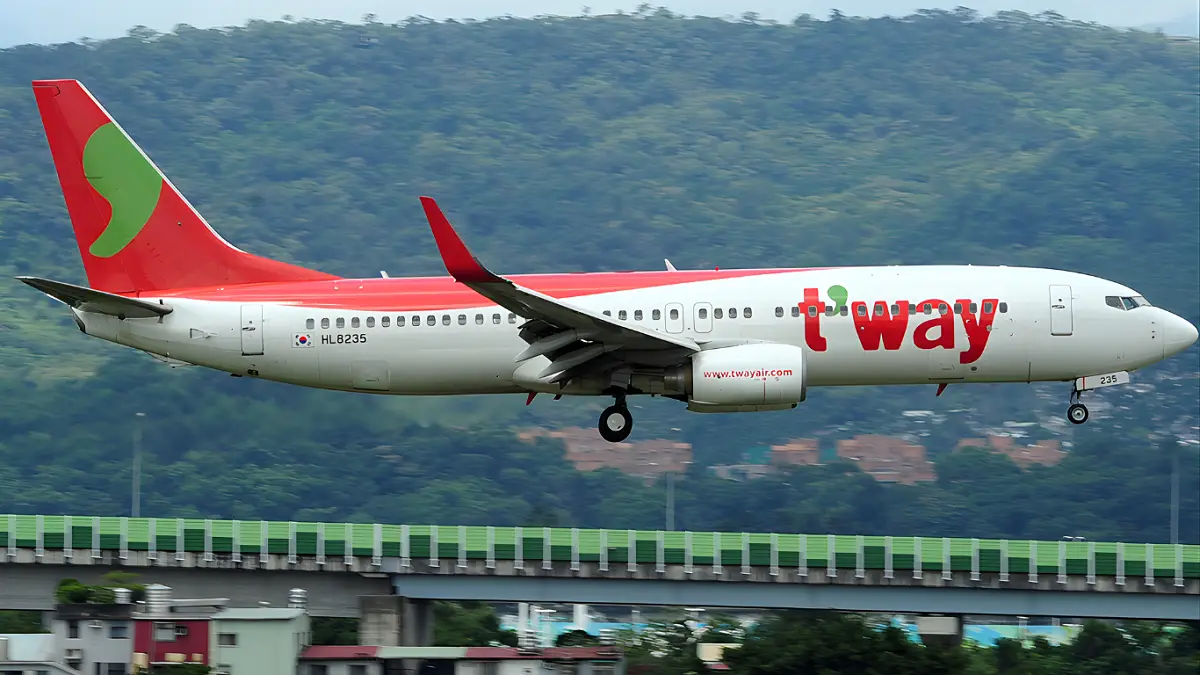
South Korean low-cost carrier T’way Air has officially rebranded as Trinity Airways in 2026, marking a significant strategic shift aimed at strengthening its global identity, expanding its international footprint, and enhancing competitiveness in an increasingly dynamic aviation market.
The rebranding initiative, announced by the airline as part of its long-term growth strategy, reflects its ambition to evolve beyond its low-cost origins and position itself as a more globally recognized carrier. The move comes at a time when airlines across Asia are adapting to post-pandemic recovery, rising competition, and changing passenger expectations.
Strategic Rationale Behind the Rebrand
The transition from T’way Air to Trinity Airways represents more than a name change, signaling a broader transformation in the airline’s corporate identity and strategic direction. By adopting a new brand, the airline aims to appeal to a wider international audience and strengthen its market positioning beyond South Korea.
Airline rebranding efforts are often driven by the need to align brand identity with evolving business models and growth objectives. In this case, Trinity Airways is expected to reflect a more premium and globally oriented image, supporting the carrier’s ambitions for expansion into new markets.
The move also highlights the importance of branding in aviation, where perception and identity play a crucial role in attracting passengers and building customer loyalty.
Expansion of International Operations
Trinity Airways is expected to leverage the rebranding to accelerate its international expansion plans. The airline has been increasing its presence on medium- and long-haul routes, seeking to capitalize on growing travel demand across Asia and beyond.
By strengthening its brand identity, the airline aims to improve recognition in international markets and compete more effectively with established regional and global carriers. The rebrand is likely to be accompanied by network expansion, increased frequencies, and potential entry into new destinations.
South Korea’s strategic location as a gateway between Northeast Asia and the rest of the world provides opportunities for airlines to develop strong international networks, and Trinity Airways is positioning itself to take advantage of these dynamics.
Fleet and Product Evolution
As part of its transformation, Trinity Airways is expected to continue modernizing its fleet and enhancing its onboard product. Fleet upgrades are a key component of airline competitiveness, offering improved efficiency, reliability, and passenger comfort.
The airline has been investing in newer aircraft types to support its expansion plans and improve operational performance. Modern aircraft not only reduce operating costs but also contribute to sustainability goals by lowering fuel consumption and emissions.
In addition to fleet improvements, the airline may introduce enhancements to its onboard services, including seating, in-flight entertainment, and connectivity, to align with its new brand positioning.
Competitive Landscape in South Korea
The South Korean aviation market is highly competitive, with both full-service carriers and low-cost airlines vying for market share. Major players have been expanding their networks and investing in product improvements to attract passengers.
The rebranding of T’way Air to Trinity Airways reflects the need to differentiate itself in this crowded market. By repositioning its brand, the airline aims to stand out and capture a larger share of both domestic and international traffic.
Competition is particularly intense on regional routes within Asia, where multiple carriers offer similar services. A strong brand identity can help airlines distinguish themselves and build customer preference.
Industry Trends Driving Transformation
The aviation industry is undergoing significant transformation, with airlines adapting to changing market conditions, technological advancements, and evolving passenger expectations. Rebranding is one of the strategies being used to signal change and align with new business objectives.
Airlines are increasingly focusing on customer experience, digital services, and sustainability as key differentiators. A refreshed brand can support these efforts by communicating a modern and forward-looking image.
Trinity Airways’ rebranding aligns with these trends, positioning the airline to compete in a rapidly evolving global market.
Operational and Financial Considerations
Rebranding an airline involves substantial investment, including changes to aircraft livery, marketing materials, digital platforms, and operational systems. It also requires careful planning to ensure a smooth transition and maintain customer confidence.
Despite these challenges, the potential benefits of a successful rebrand can be significant, including increased brand recognition, improved market positioning, and enhanced customer perception. For Trinity Airways, the move is expected to support long-term growth and profitability.
The airline will need to balance the costs of rebranding with the expected returns, ensuring that the transformation delivers tangible business benefits.
Customer Perception and Brand Identity
Customer perception plays a critical role in the success of any rebranding effort. Trinity Airways will need to effectively communicate its new identity and value proposition to existing and potential passengers.
Building a strong brand involves more than visual elements, requiring consistent delivery of high-quality services and a clear value proposition. The airline’s ability to meet or exceed customer expectations will be key to the success of its transformation.
Marketing campaigns and customer engagement initiatives are likely to play a significant role in establishing the new brand in the market.
Future Outlook for Trinity Airways
Looking ahead, Trinity Airways is expected to continue implementing its transformation strategy, focusing on network expansion, fleet modernization, and service enhancements. The rebranding provides a foundation for these initiatives, supporting the airline’s long-term vision.
The carrier may also explore partnerships and alliances to strengthen its global reach and improve connectivity. Collaboration with other airlines can provide access to new markets and enhance operational efficiency.
As the aviation industry continues to recover and grow, Trinity Airways aims to position itself as a competitive and forward-looking player in the regional and global market.
Conclusion
The rebranding of T’way Air to Trinity Airways marks a significant milestone in the airline’s evolution, with the transformation expected to support its expansion, enhance its global presence, and strengthen its competitiveness in the aviation industry.