VietJet Makes Bold MRO Move in Thailand
VietJet signed an agreement with Thailand’s Eastern Economic Corridor Office to develop an aircraft MRO centre at U-Tapao International Airport.
 Jishan Khan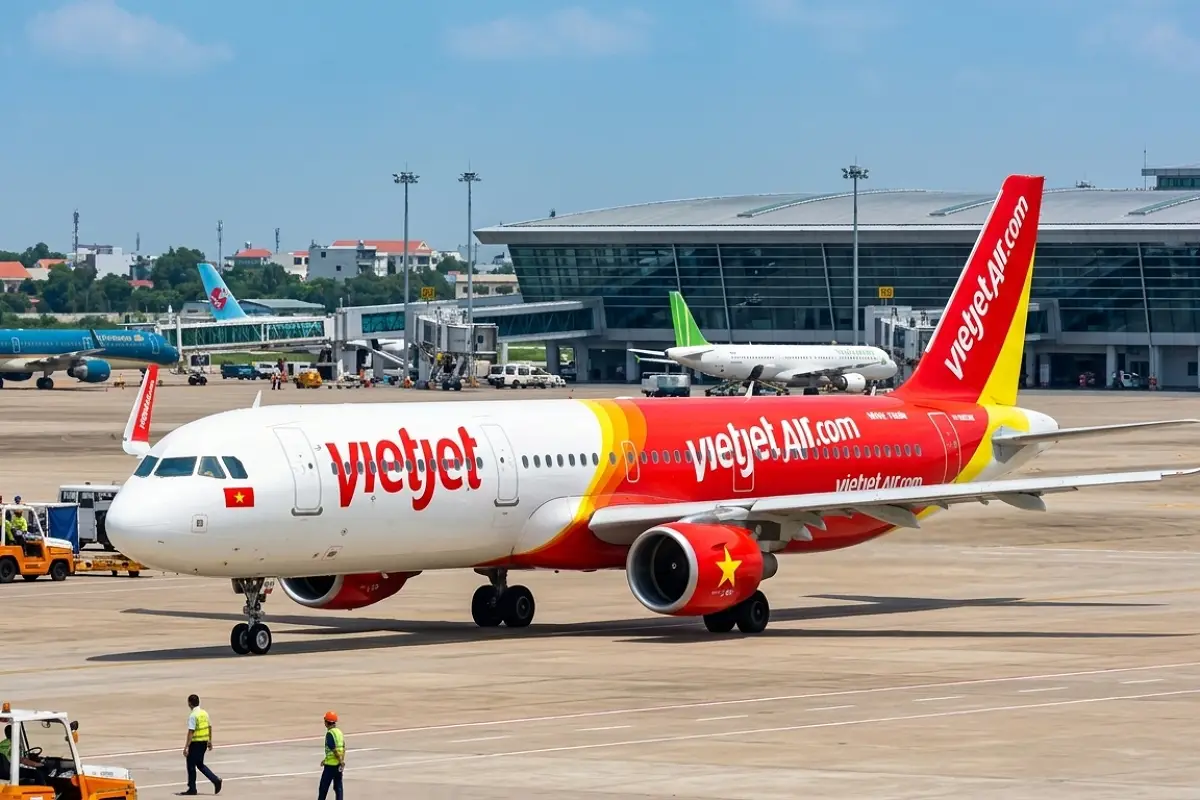
VietJet and Thailand's Eastern Economic Corridor Office signed an agreement on May 28, 2026 to develop an aircraft MRO centre at U-Tapao International Airport. The signing took place during Vietnamese President To Lam's official state visit to Bangkok, witnessed by Thai Prime Minister Anutin Charnvirakul.
When two heads of state attend a maintenance deal signing, it is not just about aircraft servicing.
Why U-Tapao and Why Now
U-Tapao is not a typical commercial airport. Located near Bangkok, Pattaya and major industrial zones, it is being developed into an aerotropolis, a modern airport city integrating logistics, aerospace manufacturing and high-tech services as part of Thailand's Eastern Economic Corridor programme. Positioning an MRO facility there puts VietJet inside one of Southeast Asia's most ambitious infrastructure plays, not just inside a hangar.
The timing makes sense from VietJet's operational perspective too. VietJet Thailand currently operates 22 aircraft and employs nearly 1,500 staff, with the parent group committed to transferring 50 Boeing 737-8 aircraft to the Thai subsidiary to support further growth. A fleet heading toward 50 jets in a single market needs dedicated maintenance infrastructure nearby, flying aircraft back to Vietnam for every scheduled check is expensive and inefficient at that scale.
The Bigger Play Behind the MOU
The MRO agreement was one of four cooperation deals signed between Thailand and Vietnam on May 28, sitting alongside a 2026-2031 strategic partnership action plan, science and technology cooperation, and academic exchange agreements. Aviation was chosen as the centrepiece of the commercial side of that relationship, which tells you how seriously both governments view the sector as an economic driver rather than just a transport utility.
Bilateral trade between Thailand and Vietnam currently stands at around USD 24 billion annually, with both sides targeting USD 25 billion as quickly as possible. An MRO hub that creates local jobs, transfers technical skills and keeps VietJet's growing Thai fleet airworthy is exactly the kind of tangible deliverable that makes those trade targets feel real to both governments.
The MOU is signed. The facility still has to be built, funded and staffed, none of which is simple. But VietJet now has political cover from two countries and a strategically placed airport to build on.