Drifter Melbourne Expansion Marks Bold Trans-Tasman Growth
The Drifter Melbourne Expansion brings the brand's largest property yet in 2027, alongside new Wellington and Auckland openings across the Tasman.
 RUKAIYA KADIWAL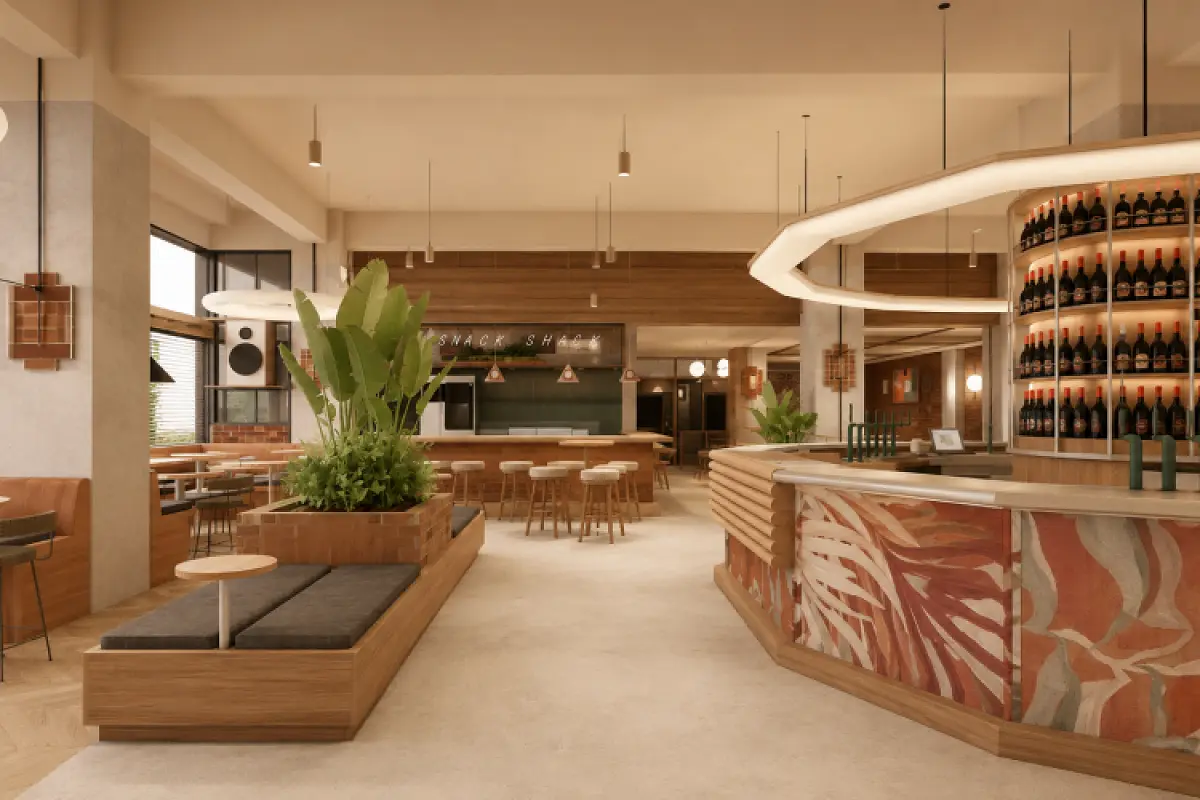
Inside Wellington's former Post Office building in Te Aro, workers move carefully around a century-old façade, preserving arched windows and thick stone walls even as the interior transforms into something the building never housed before, a lobby built for travelers who want to work, gather, and stay all under one roof. That careful balance between preservation and reinvention sits at the heart of what will eventually become the largest undertaking in the company's short history, the Drifter Melbourne Expansion, confirmed through Drifter's official announcement and reported by The Hotel Conversation.
Australian-founded hospitality brand Drifter is embarking on a major Trans-Tasman expansion, with new properties opening in Wellington and Auckland ahead of the eventual launch of its largest Drifter property to date in Melbourne in 2027.
A Staged Rollout Across Three Cities
Drifter Wellington will be the first to open, arriving in Q4 2026 and transforming the city's former Post Office into a 51-room hybrid hotel-hostel. Drifter Auckland follows in Q2 2027, bringing an 80-room property to central Auckland. The expansion then culminates in Q3 2027 with the transformation of the existing 118-room Little Drifter at 167 Franklin Street in Melbourne into the brand's largest and most ambitious full Drifter property yet.
Together, these three openings mark the next stage of growth for a business that has built a portfolio of 11 properties and approximately 3,500 beds across Australia and New Zealand in less than four years, establishing itself as the region's largest hotel-hostel hybrid platform in a remarkably short period.
Filling the Gap Between Hotel and Hostel
Drifter was founded specifically to address the space between traditional hotels and hostels, combining boutique hotel-quality private rooms with premium shared accommodation, food and beverage, wellness, co-working, and cultural programming. That hybrid model caters deliberately to a broad mix of guests, solo travelers, couples, groups, digital nomads, and business guests alike, rather than narrowing its appeal to a single traveler type.
The model has already proven its international appeal at flagship properties Drifter Christchurch and Drifter Byron Bay, where international guests account for between 80 and 85 percent of occupancy at both locations. The UK, Germany, USA, France, and the Netherlands currently stand as the leading international source markets, alongside a growing Asian guest mix as inbound air connectivity from Japan and South Korea continues expanding.
A Female-Forward Design Philosophy
Women account for 60 percent of guests across both flagship properties year-to-date, a figure that reflects Drifter's deliberately female-forward approach to design, room typology, privacy, and wellness. In Christchurch specifically, private rooms generate 46 percent of room revenue, demonstrating genuine demand for the flexibility the hybrid model offers guests who want boutique-style privacy without abandoning the social and cost advantages of shared accommodation.
Why Wellington, Auckland and Melbourne
Drifter Co-Founder and Co-CEO Hugh Stephenson explained the reasoning behind this particular expansion in comments to The Hotel Conversation. "What we've learned from Christchurch and Byron Bay is that travellers are looking for something different. They want inspiring spaces, flexibility in how they stay, and experiences that feel connected to the city around them," he said. "That's what makes Wellington, Auckland and Melbourne such exciting opportunities. Each city has its own creative energy, and our focus is on building Drifter experiences that reflect and celebrate that local culture rather than applying the same formula everywhere."
Stephenson singled out Melbourne specifically as a natural fit for the brand's identity. "Melbourne, in particular, feels like a natural home for the brand. Few cities do design, music, food and culture quite like Melbourne, and this project will be our boldest expression of Drifter yet," he said, a statement that frames the Melbourne property not simply as the largest addition to the portfolio, but as the fullest realization of what Drifter has been building toward since its founding.
Adaptive Reuse at the Core of Every Property
Design and adaptive reuse remain central to this next phase of expansion, with all three properties transforming existing buildings rather than developing from the ground up. Drifter is again collaborating with Trans-Tasman interior design studio CTRL Space, the team behind the award-winning Drifter Christchurch, to evolve the brand's design language across Wellington, Auckland, and Melbourne. Rather than applying a single template across all three cities, each property has been shaped specifically in response to the character, culture, and creative identity of its individual location.
Inside Drifter Wellington
Opening within Wellington's former Post Office at 21 Cambridge Terrace in Te Aro, Drifter Wellington will feature 51 rooms, including 15 private rooms, two custom Drifter Dream Pod rooms, and a mix of bunk rooms with ensuite and design-led communal bathrooms. Rambler Public Bar will sit at the heart of the property, serving local beer, wine, and spirits alongside a New York deli-inspired menu running from breakfast until late.
The Lobby and Revel Room will offer games and gathering space, complemented by a social kitchen, co-working and dining areas, and a Leisure Club featuring sauna and wellness classes. An ongoing arts and cultural program will connect the property directly with Wellington's creative community, while the transformation itself retains and reinterprets the character of the original Post Office building.
Inside Drifter Auckland
Drifter Auckland follows in Q2 2027 at 37 Wellesley Street West in central Auckland, featuring 80 ensuite rooms comprising 27 private rooms, 52 bunk rooms, and a custom pod room. The property will house its own Rambler Public Bar, serving local beer, wine, and spirits alongside a locally inspired Asian-fusion menu from breakfast until late, joined by a Lobby and Revel Room with games facilities, social kitchen, co-working and dining spaces, and a Leisure Club with gym equipment and wellness classes.
Together with flagship Drifter Christchurch, the Wellington and Auckland openings will establish Drifter across three of New Zealand's major cities, representing a significant expansion of the Australian-founded brand's presence across the Tasman.
The Melbourne Flagship Takes Shape
The expansion culminates in Melbourne in Q3 2027, when the existing 118-room Little Drifter at 167 Franklin Street transforms into the brand's largest property to date, offering 775 beds once complete. The Melbourne transformation expands Drifter's collaborative design approach considerably, with CTRL Space joined by Studio Y, designing the lobby, Rambler Public Bar, wellness and co-working spaces, and We Are Humble, shaping the concept and experience of Rambler Social Club.
The new Rambler Public Bar and Social Club will bring together all-day food and beverage with late-night vinyl, DJs, karaoke, and pizza, alongside a podcast studio, Leisure Club, lobby co-working, and wellness facilities. A year-round program spanning music, art, and community events will further reinforce Drifter's focus on creating spaces built around social connection and cultural experience as much as accommodation itself. Together, the creative teams will draw on Melbourne's laneway culture, creative subcultures, and layered urban character to shape a distinctly Melbourne expression of the Drifter brand.
What This Growth Reveals About Modern Accommodation
Together, the portfolio represents a growing accommodation category responding directly to changing traveller expectations around affordability, flexibility, and experience. By combining multiple room formats with hospitality, wellness, workspaces, and cultural programming under one roof, Drifter is designed to capture a broader guest base and achieve greater utilisation than conventional single-format accommodation typically allows.
This kind of flexible, experience-driven hospitality model reflects a broader shift increasingly visible across the global accommodation sector this year, where operators build guest experiences around genuine local connection and adaptable stay formats rather than rigid categorisation, a philosophy echoed in markedly different but equally deliberate hospitality strategies such as the Four Seasons Hotel Singapore's new Three-Bedroom Premier Suite, where flexibility and thoughtful design similarly drive the guest experience, albeit within an entirely different luxury segment.
Beyond a Single Type of Traveller
Stephenson emphasised that Drifter's continued focus will remain on gateway cities and leisure destinations where existing buildings can be repositioned rather than relying on ground-up hotel development. "What's exciting for us is that we've proven this isn't a niche product for one type of traveller," he said. "The same property can work for someone travelling solo, a couple wanting a private room, a group of friends, someone working remotely or someone in town for business."
"We think the next generation of accommodation will be much less defined by traditional labels," Stephenson added. "People are increasingly looking for places that give them quality and value, but also a genuine connection to the city and the people around them. That's the space Drifter is building for."
A Portfolio Built for the Space Between Categories
What the Drifter Melbourne Expansion and its accompanying New Zealand openings ultimately represent is a bet that the future of accommodation lies not in choosing between hotel and hostel, but in dissolving that distinction entirely. As former post offices and existing hostels across three cities prepare for their next chapters under the Drifter name, the brand's rapid four-year growth suggests travellers are increasingly less interested in traditional labels, and considerably more interested in spaces that genuinely reflect the cities they've come to explore.