Eco Hotels Ayodhya: The Eco Satva Opens Amid Tourism Boom
Eco Hotels Ayodhya expands with the launch of The Eco Satva, a 33-room eco-conscious hotel near Ram Janmabhoomi Temple offering satvik dining.
 nishathapa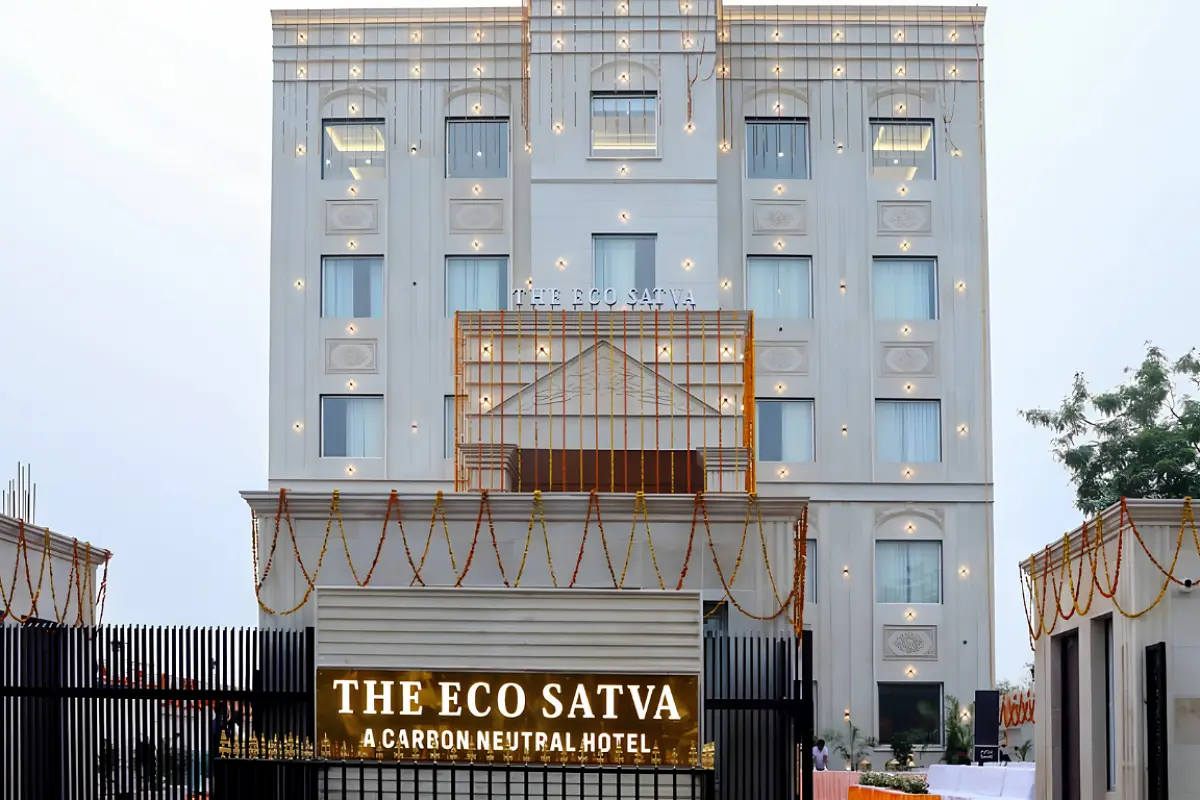
AYODHYA, March 11, 2026: Eco Hotels and Resorts Limited (BSE: 514402) has inaugurated The Eco Satva, its new 33-room hotel in Ayodhya, marking the company's direct entry into one of India's most rapidly expanding religious tourism markets. The property sits approximately five kilometres from the Shri Ram Janmabhoomi Temple with direct highway access and includes a rooftop satvik restaurant, landscaped lawns and a swimming pool. It is positioned as a premium, environmentally conscious product built specifically for the pilgrimage and cultural travel segment that has been reshaping Ayodhya's hospitality landscape since 2023.
The scale of Ayodhya's visitor surge makes the numbers worth stating plainly. The city drew 57.5 million visitors in 2023. That figure jumped to over 160 million in 2024. In the first half of 2025 alone, more than 230 million devotees visited, a pace that, if sustained, would make Ayodhya one of the most visited religious destinations on earth within a single calendar year. For a hospitality company with a stated focus on tier-two and tier-three cities and religious tourism, opening here is not a stretch move. It is the most logical deployment of capital the company could make right now.
Eco Hotels Ayodhya Opens The Eco Satva as Pilgrimage Visitor Numbers Break Records
Vinod Kumar Tripathi, Chairman of Eco Hotels and Resorts Limited, was direct about why Ayodhya was the right market and what the company is trying to build there.
"Ayodhya represents one of India's most dynamic tourism markets. Launching our hotel here is a strategic step in expanding our footprint in spiritual and cultural destinations. We aim to deliver a premium hospitality experience while implementing eco-conscious practices that respect both the environment and the city's cultural heritage."
— Vinod Kumar Tripathi, Chairman, Eco Hotels and Resorts Limited
The phrase "respect both the environment and the city's cultural heritage" is not just brand language in this context. A hotel opening in Ayodhya in 2026 is opening in a city with extraordinary religious significance, under intense public and government scrutiny, where the kind of hospitality product you offer sends a message about how you understand the destination. Eco Hotels has answered that question specifically with the satvik food offering at the rooftop restaurant and the no-onion, no-garlic, gluten-free breakfast options, choices that reflect a genuine understanding of what the pilgrimage traveller actually needs, rather than a generic hotel product with a spiritual tourism label attached.
Sahar, Back to the Roots: A Rooftop Satvik Restaurant Without Onion or Garlic
The rooftop dining outlet at The Eco Satva is named Sahar, Back to the Roots, and it operates as a satvik cuisine restaurant serving fresh vegetarian dishes prepared according to traditional dietary practices. The menu excludes onion and garlic entirely and offers gluten-free breakfast options, a combination that covers the dietary requirements of a significant proportion of the devotees and pilgrims who form the hotel's primary audience.
Satvik food is not a marketing category in the context of Ayodhya; it is a genuine requirement for guests observing religious dietary practices during their pilgrimage. A hotel that gets this right will see repeat bookings and recommendations through community and religious networks that no amount of paid marketing can replicate. A hotel that gets it wrong, that offers a technically vegetarian menu without understanding the distinction between satvik and non-satvik preparation, will lose those guests permanently to word of mouth from the same networks.
The Eco Satva Joins a Portfolio of Five Operating Hotels With Eight More in the Pipeline
The Ayodhya opening arrives as Eco Hotels and Resorts Limited is running its most active expansion phase since listing on the BSE. The company's March 2026 investor presentation described a portfolio of five hotels with 204 keys currently operating, with eight upcoming properties adding another 449 keys to the pipeline. The stated target is 5,000 keys by 2028-29, delivered through a combination of leasing, EBOT and management models that keep capital requirements manageable while growing the brand footprint rapidly.
The company positions itself as the world's first net zero premium value hotel brand, a claim that reflects both its sustainability commitments and its market positioning between full-service luxury and budget accommodation. The eco-conscious practices built into The Eco Satva's operations, including its environmental management systems and responsible sourcing approach, are consistent with that brand identity at a property level rather than just a corporate policy level.
Ayodhya's Infrastructure Growth Makes the Timing Right
The hospitality investment case for Ayodhya is not purely about the Ram Janmabhoomi Temple, significant as that anchor is. The city has been receiving sustained government investment in road connectivity, rail links, airport upgrades and pilgrim amenity infrastructure as part of a broader push to develop Ayodhya as a world-class religious tourism destination. The economic multiplier effects of that investment, for MSMEs, artisans, transport operators and hospitality businesses, are already visible in the city's commercial activity.
Religious tourism accounts for over 60 per cent of domestic travel in India, according to industry data cited by Eco Hotels. A company that has positioned its entire growth strategy around that segment, in tier-two and tier-three markets where professionally managed branded accommodation is still scarce relative to demand, is operating in the right place at the right time. Whether the execution at The Eco Satva matches the strategic logic is what the next several quarters of occupancy and guest review data will determine.