Emirati Dhiyafa Standards Bring UAE Culture to Abu Dhabi Hotels
New Emirati Dhiyafa Standards will require Abu Dhabi hotels to embed UAE culture into guest experiences, from attire to cuisine, starting Q1 2027.
 RUKAIYA KADIWAL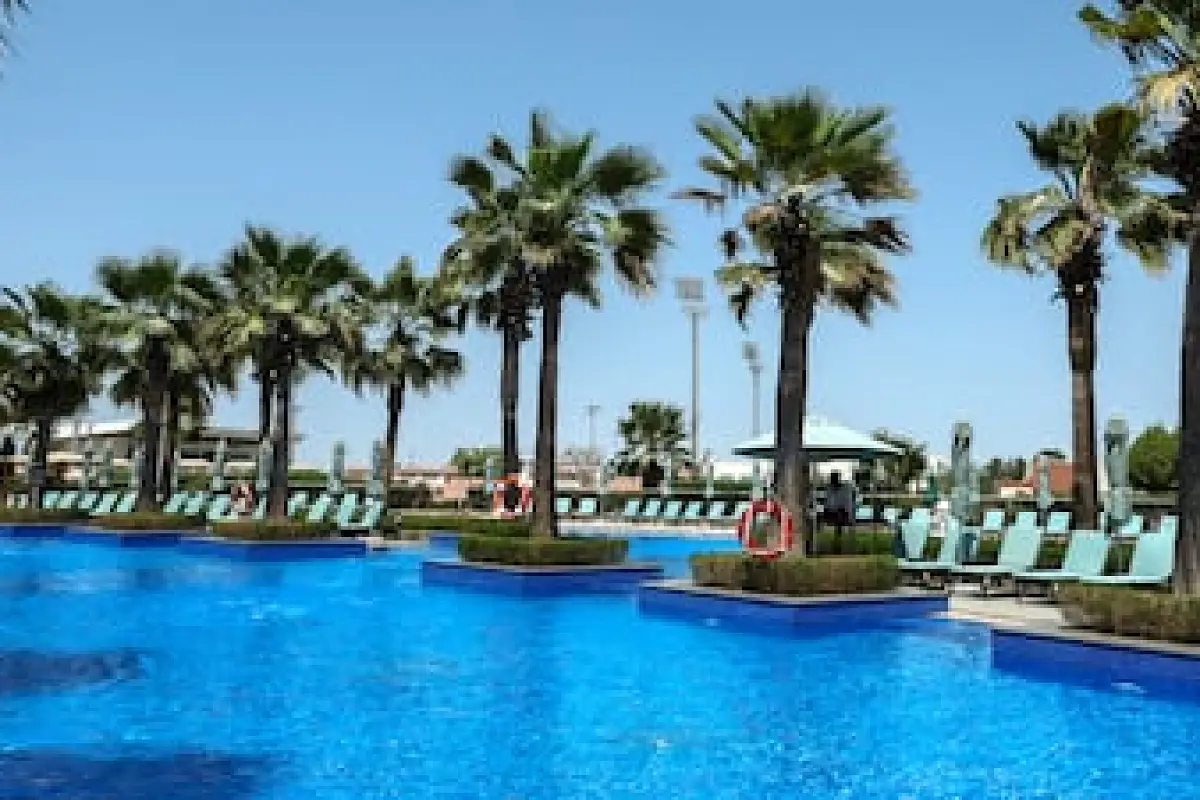
Next year, checking into a hotel in Abu Dhabi will feel distinctly more Emirati. A guest arriving at the lobby may be greeted not with the familiar "Assalamu aleikum," but with "Marhaba al-saa," offered by a staff member dressed in traditional Emirati attire, alongside a cup of Arabic coffee and a plate of locally produced dates. This is the vision behind Emirati Dhiyafa Standards Abu Dhabi Hotels, a new framework introduced by the capital's tourism authority to place local culture at the center of the guest experience.
A scheme launched by the Department of Culture and Tourism, Abu Dhabi, will place Emirati culture at the heart of the guest experience when staying in the city. Full details on the initiative are available through the DCT Abu Dhabi official website. Hotels will be required to comply with measures including ensuring guests receive information about the culture and heritage of the UAE, having at least one employee dressed in Emirati attire to greet arrivals, and offering at least three Emirati dishes on the menu.
What the New Standards Require
Under the new rules, hotels will have to apply 20 of the 65 Emirati Dhiyafa, or Hospitality, Standards. Ten of these are compulsory, while the remaining ten are left to the discretion of each individual property. Hotel apartments face a lighter requirement, with a minimum of 10 standards applied, five of which are compulsory. The new rules are expected to come into effect during the first quarter of 2027.
Among the standards made known so far, hotels must provide website links to UAE history and culture, send pre-arrival messages to guests containing information about local heritage, and ensure at least one employee is present in Emirati attire to welcome guests. Guests must be greeted with the phrase "Marhaba al-saa," translating to "welcome at this hour of the day," and welcomed with Arabic coffee and locally produced dates. Three Emirati dishes must be available on the menu, with staff trained to explain them to guests, and public areas of each hotel must include at least one design element inspired by Emirati heritage.
How Hoteliers Are Responding
Catalina Susan, general manager of Marriott Al Forsan, Abu Dhabi, welcomed the initiative as a meaningful addition to the guest experience. "It is a great idea for guests to embrace the heritage, culture and generosity of the UAE in hotels," Susan said. "Pre-arrival, we are going to send information to our customers about the history of the country and the culture. We are going to implement three specific Emirati dishes in our main restaurant. In the lobby, we are going to have one of our associates with Emirati attire ... to welcome guests with the new welcome of 'Marhaba al-saa' instead of 'Assalamu aleikum.'" Her comment reflects how directly the new standards will reshape day to day operations, from the kitchen to the front desk.
Marwa Mustafa, hotel manager of Bloom Arjaan by Rotana, framed the initiative in terms of the small moments that guests tend to remember. "A warm welcome, a thoughtful recommendation and a colleague who can explain a local tradition can become memorable parts of a stay," Mustafa said. "The framework encourages hotels to bring that cultural understanding into the experiences guests encounter every day." She added that a phased approach would help her property prepare ahead of the implementation deadline, with priorities including staff cultural knowledge, the arrival experience, and opportunities to introduce guests to Emirati cuisine and traditions. "Consistency across departments would be a key operational consideration," she said.
Part of a Larger Tourism Strategy
The hospitality initiative sits within the broader Abu Dhabi Tourism Strategy 2030, which aims to increase visitor numbers to 39.3 million while raising the hospitality sector's GDP contribution to Dh90 billion by 2030, alongside the creation of 178,000 jobs. Saleh Mohamed Al Geziry, director general for tourism at DCT Abu Dhabi, tied the new standards directly to what makes travel memorable in the first place. "The experiences that visitors remember most are often the simplest: the warmth of a welcome, the sharing of local traditions, and the feeling of being genuinely looked after," Al Geziry said. "The Emirati Dhiyafa Standards translate these timeless values into a framework that will enrich every stage of the visitor journey by embedding our cultural identity within the hospitality experience."
A Sector Finding Its Footing Again
The timing of the initiative coincides with a period of recovery for Abu Dhabi's hospitality sector following months of disruption caused by regional conflict earlier in the year. Susan said occupancy at Marriott Al Forsan held steady even through the peak of that disruption, at times exceeding 90 percent, though the composition of guests has shifted noticeably toward domestic and regional visitors alongside corporate bookings rather than the international travelers who previously dominated. "Despite the geopolitical challenges ... we managed to exceed the budget in revenue, in profit, in regards to guest satisfaction," she said. "It's not like in the previous year when we had a lot of booking. This year it's slower." The hotel is currently holding around 86 percent occupancy, and Susan expressed optimism that an upcoming Formula One event would help bring international visitors back in greater numbers.
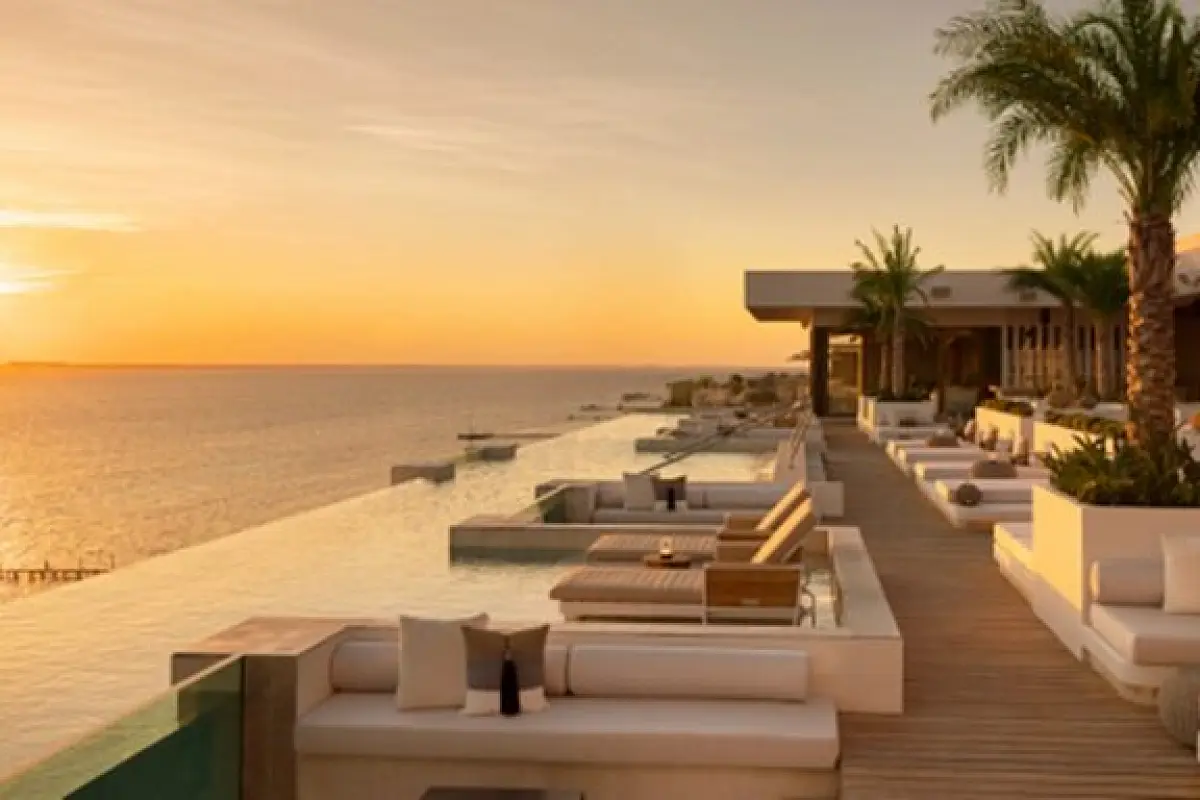
As Abu Dhabi positions itself among the fastest growing destinations for international visitors, the rollout of the Emirati Dhiyafa Standards represents a bet that cultural specificity, delivered consistently across every hotel touchpoint, can become as much a competitive advantage as any amenity or view. Whether framed through a rooftop pool overlooking the capital's skyline or a simple cup of Arabic coffee at check in, the message from tourism officials is the same, that the experiences guests remember most are rarely the grandest ones, but the ones that feel unmistakably local, a philosophy echoed elsewhere in the region's expanding hospitality landscape, including the recent Crowne Plaza Paris Marne-la-Vallée opening near Disneyland.