Goa Budget Hotel Freeze Plan Aims to Boost Quality Tourism
Goa budget hotel freeze may soon become reality as Rohan Khaunte signals a halt on new registrations to promote quality tourism. Read more here.
 nishathapa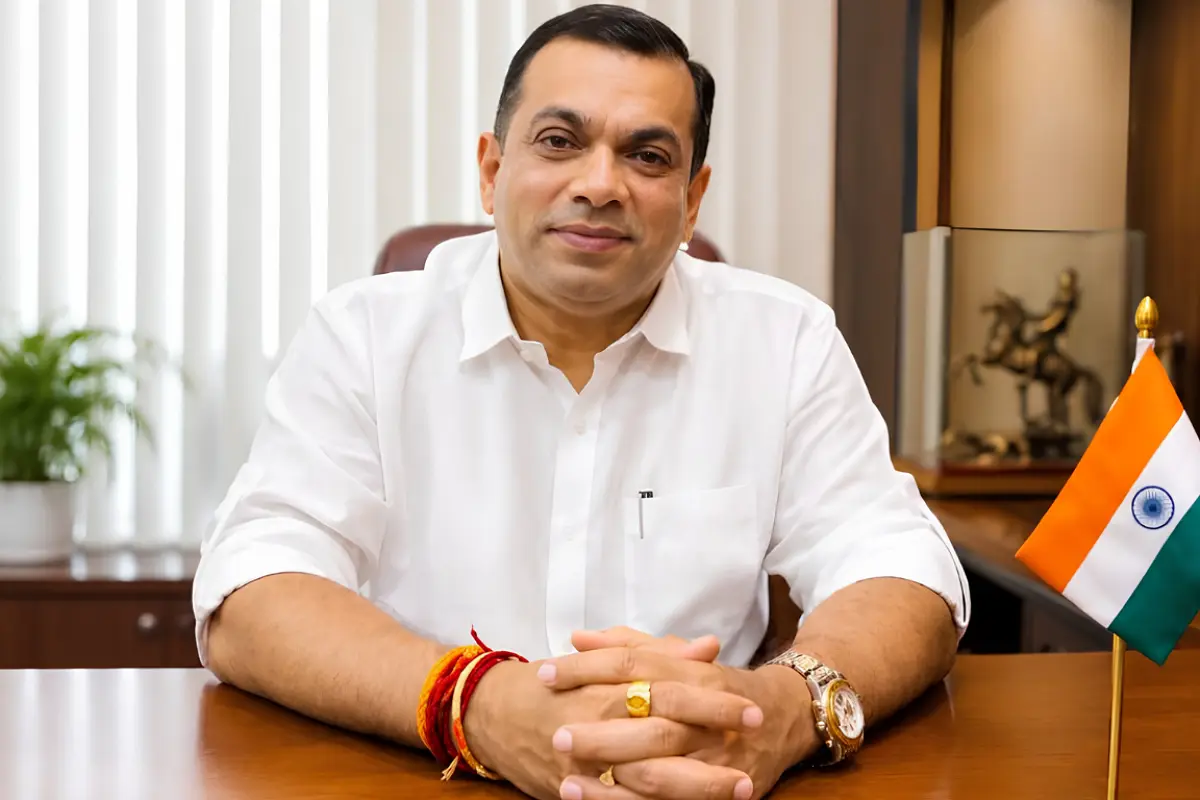
PANAJI, May 23, 2026: Goa Tourism Minister Rohan Khaunte has signalled that the state government is actively considering placing a freeze on new registrations for budget and economy-class hotels, specifically C and D category properties, as part of a broader strategic shift away from mass tourism and toward higher-value, quality-driven visitor experiences. A final decision on the measure is expected within a fortnight, with consultations involving the Travel and Tourism Association of Goa currently underway.
The announcement lands at a moment when Goa's lower-category hotel segment is visibly under strain. The state's budget hospitality inventory has grown substantially over recent years, and occupancy and pricing pressure in the C and D categories have been building for some time. The government's proposed response, stop adding new supply while giving existing properties a path to upgrade, is a direct acknowledgement that more budget rooms are not what Goa's tourism strategy needs right now.
Rohan Khaunte Pushes Goa Budget Hotel Freeze on New Registrations
Khaunte put the structural problem plainly when addressing a public forum on the state of Goa's tourism sector.
"The biggest challenge in the tourism industry today is the lower category hotels as they are finding it difficult to sell their rooms in the present challenging times whereas three and four star hotels are easily getting bookings."
— Rohan Khaunte, Tourism Minister, Goa
That observation carries real weight when you look at what it describes. Mid and upper-segment hotels in Goa are consistently filling rooms. The budget segment is fighting for a shrinking share of guests who, when they do visit Goa, are increasingly choosing better-quality accommodation at a modest premium over the cheapest available option. The inventory glut in C and D category properties is not a demand problem, it is a supply problem that has been allowed to compound for years.
Existing Budget Hotels Will Be Given a Choice, Upgrade or Accept Limits on Growth
The proposed policy is not a forced closure. The Tourism Department, in consultation with TTAG, is working toward a framework that gives existing lower-category properties two clear options: limit further expansion within the current category, or invest in upgrading facilities to move up the classification ladder and access the stronger demand that mid-scale and premium segments are currently capturing.
The upgrade pathway is the more commercially attractive of the two for any property owner who can fund it. A C or D category guesthouse that invests in better rooms, improved F&B, stronger WiFi infrastructure and consistent housekeeping standards can reposition itself to compete for the domestic leisure traveller, the monsoon tourism segment and the corporate offsite market, all of which are growing and paying more per night than the backpacker circuit that originally justified much of Goa's budget inventory.
A Dedicated MICE Bureau Is Part of the Same Strategic Direction
The proposed hotel registration freeze does not stand alone. It is one element of a wider quality-over-quantity tourism strategy that Khaunte has been assembling for Goa's hospitality sector. Alongside the budget hotel measures, the state is moving to establish a dedicated single-window MICE promotion bureau, designed to facilitate destination weddings, conferences, concerts and large-scale corporate events through faster approvals and coordinated planning across government departments.
Goa's destination wedding and MICE market has been growing significantly, with more Indian couples and corporates choosing Goa over international alternatives in the post-pandemic period. A dedicated bureau that removes the multi-department clearance friction from large event planning would give Goa a meaningful competitive edge over Jaipur, Udaipur and other domestic MICE and wedding destinations that it currently competes with for the same bookings.
No Off-Season, Khaunte's Framing of Where Goa's Demand Actually Stands
Khaunte also used the forum to challenge the conventional seasonal framing of Goa's tourism calendar. Speaking on May 21, 2026, he stated directly that Goa no longer has a meaningful off-season, that tourist arrivals are continuing steadily through what was historically a slower period, driven partly by younger travellers actively seeking monsoon experiences and partly by improved flight connectivity that has reduced the cost of visiting Goa year-round.
"Tourists are still coming, and there is no such thing as an off-season," Khaunte said, reflecting a positioning that Goa's tourism industry has been building toward for several years but which the minister is now willing to state as current fact rather than future aspiration.
The monsoon tourism trend is particularly worth watching. Goa in the rain, waterfalls running, paddy fields green, beaches uncrowded, room rates lower, is a genuinely different experience from the peak-season version, and it has been finding a real audience among domestic travellers who have already done the Christmas-New Year circuit and are looking for something less crowded and more atmospheric.
The Budget Hotel Freeze Fits a Pattern of Policy Tightening Across Goa's Hotel Sector
The proposed freeze on new budget hotel licences is not the first time Goa's Tourism Department has moved to tighten hotel sector regulation under Khaunte. In April 2026, the minister publicly called out star-rated hotels that were deliberately downgrading their classifications to avoid higher government fees, and signalled action against tourism department officials who had failed to physically inspect properties before assigning categories.
Taken together, these measures describe a government that is actively trying to clean up the structural problems in Goa's hospitality sector rather than simply managing them. The budget hotel freeze, if it proceeds as expected within the fortnight, would be the most significant single intervention in the state's hotel registration policy in recent years, and a clear signal that Rohan Khaunte is willing to use policy levers to push Goa's tourism identity in a specific direction, even if it means saying no to new budget accommodation supply in the short term.