Imperial Hotel, Kyoto Wins Historic Preservation Milestone
Imperial Hotel, Kyoto has retained cultural property status for the historic Yasaka Kaikan building after its adaptive reuse as a 55 room luxury hotel in Gion.
 RUKAIYA KADIWAL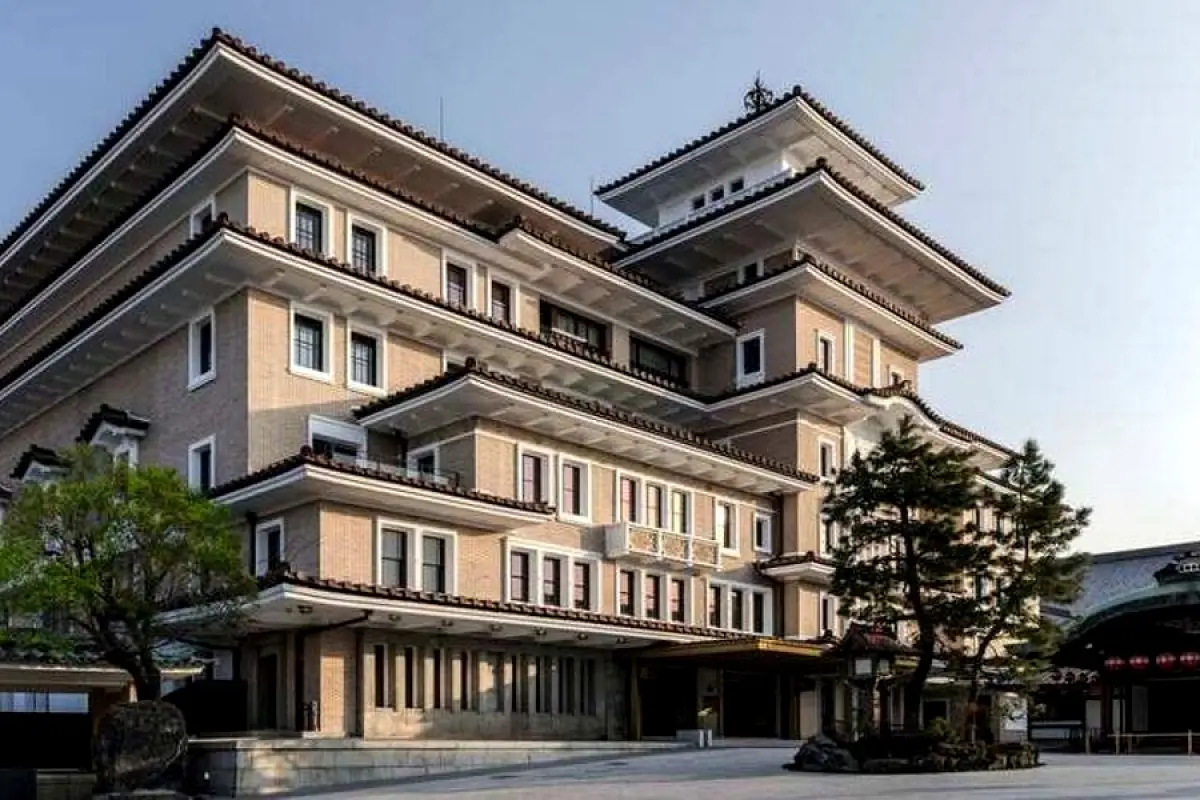
Imperial Hotel, Kyoto has confirmed a remarkable heritage milestone. The historic Yasaka Kaikan building has kept its status as a Registered Tangible Cultural Property. This happened after the building's transformation into a luxury hotel. Japan's Council for Cultural Affairs reviewed the project. The council approved the new designation of Former Yasaka Kaikan.
Imperial Hotel, Kyoto opened on 5 March 2026 in Kyoto's Gion district. The hotel incorporates major elements of the original Yasaka Kaikan. It also includes newly constructed sections built around the historic core.
Imperial Hotel, Kyoto and the Story of Yasaka Kaikan
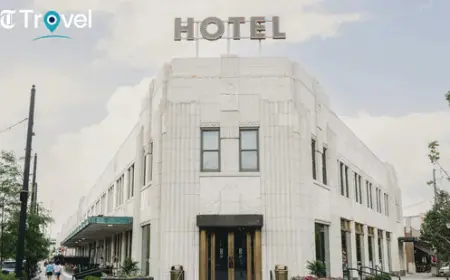
Yasaka Kaikan was completed in 1936. Architect Tokusaburo Kimura of Obayashi Corporation designed the building. It formed part of the Gion Kobu Kaburenjo complex. Over the decades it served as a theatre, a cinema, and a dance hall.
The building earned Tangible Cultural Property status in 2001. Kyoto City later named it a historic scenic building. But age and earthquake safety concerns meant it could no longer operate as it once had.
Why Imperial Hotel, Kyoto Chose Adaptive Reuse
Imperial Hotel, Kyoto developed a preservation and adaptive reuse programme. The goal was to retain the building's significant original parts. At the same time, the structure needed to meet modern safety standards.
The south and west exterior walls were kept intact. Sections of the original structural frame also survived. Around 16,000 original tiles were recovered using ikedori, a traditional conservation method. Workers removed each tile, cleared the old mortar, inspected it, and returned it to the building where possible.
Terra-cotta reliefs from 1936 received similar care. Pieces in good condition stayed in place. Damaged examples were digitally scanned and reproduced to match the original design. The copper roof and decorative metalwork were also restored, along with etched glass inside the entrance vestibule.
A Height Challenge for Imperial Hotel, Kyoto
Yasaka Kaikan stands approximately 31.5 metres tall. Current rules in Gion's historic landscape area generally limit new buildings to 12 metres. Special approval was needed to preserve the tower at its original height. This kept its long standing contribution to the Gion streetscape intact.
Leadership Voices at Imperial Hotel, Kyoto
Reiko Sakata, General Manager of Imperial Hotel, Kyoto, explained the project's intent. She said the goal from the start was to honour the architectural and cultural significance of Yasaka Kaikan while ensuring its relevance for future generations. She added that the continued cultural property registration recognises the building's history and the value of thoughtful restoration.
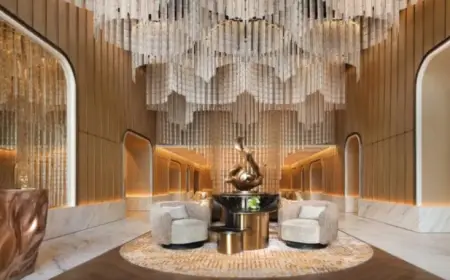
Architect Tomoyuki Sakakida of New Material Research Laboratory led the interior design. His approach followed an Old is New philosophy. This philosophy pairs historic fabric with contemporary Japanese craftsmanship throughout the property.
Inside Imperial Hotel, Kyoto Today
Imperial Hotel, Kyoto now has 55 guestrooms and suites. It is the fourth property in the Imperial Hotel portfolio, following Tokyo, Kamikochi, and Osaka. It marks the group's first new hotel opening in around 30 years.
The dining programme includes French restaurant REN and all day dining venue YASAKA. Guests can also visit OLD IMPERIAL BAR and a seasonal rooftop bar. The hotel joined The Leading Hotels of the World in April 2025, ahead of its opening.
Imperial Hotel, Kyoto Within a Wider Industry Trend
Heritage led hotel projects are becoming more common across luxury hospitality. Taj Hessischer Hof Frankfurt reopened inside the former Grandhotel Hessischer Hof, keeping original furniture and parquet flooring. The 165 year old Queen at Chester joined Accor's Handwritten Collection while keeping its historic character.
Adaptive reuse is also reshaping hotel development elsewhere. Coverage of the Scandvik Hotels redevelopment of a Chaska, Minnesota property into a Nordic spa hotel shows a similar approach, turning an existing structure into a new destination rather than starting from empty ground.
What Imperial Hotel, Kyoto Preserves for the Future
Retaining a cultural property designation is not simply a marketing claim. It requires government review and formal confirmation that a building's essential character survived its transformation. Few hotel openings anywhere carry that level of independent verification.
Imperial Hotel, Kyoto now stands as an example of how historic structures can support modern luxury hospitality. Its tower still rises to the same height it always held. It now shelters guests instead of an audience, carrying its history forward rather than erasing it.
Learn more at Imperial Hotel's official website.