India Tourism Shift Toward Experience Travel Puts Pressure on Infrastructure and Planning
India’s tourism sector shifts to experience-led travel amid rising overtourism, infrastructure strain, and demand for sustainable, community-driven development.
 nishathapa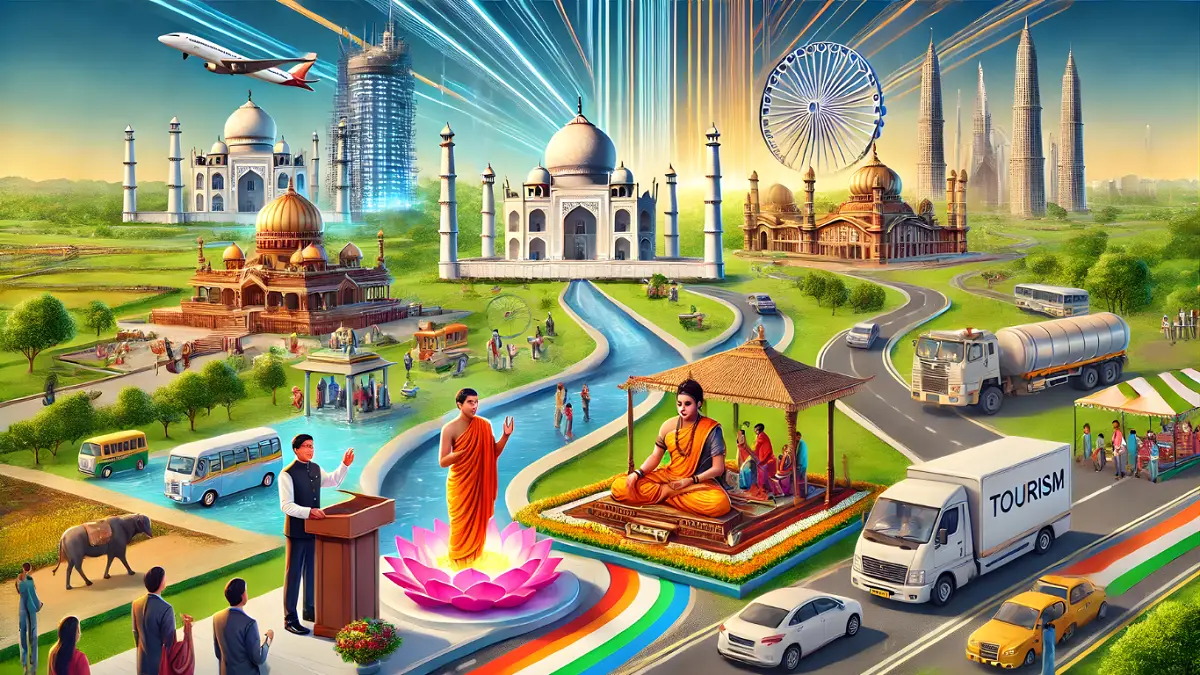
India, April 2026: India’s tourism sector is undergoing a structural transformation as demand shifts from traditional sightseeing to experience-led travel, with over 2.3 billion domestic visits annually highlighting the scale of this transition. The shift is placing increasing pressure on infrastructure, planning frameworks, and sustainability practices across key destinations.
Driven by evolving traveller preferences and global tourism trends, the industry is witnessing a rise in demand for immersive, cultural, and nature-based experiences. This change is reshaping how destinations are developed and managed, while exposing gaps between rapid demand growth and long-term planning capabilities.
Experience-led demand reshapes tourism landscape
Tourist behaviour in India is increasingly aligned with global trends identified by international tourism bodies, where travellers prioritise local immersion over conventional sightseeing. Segments such as wellness tourism, heritage exploration, and eco-tourism are gaining traction, supported by a growing base of digital nomads and slow travellers.
This shift has contributed to strong domestic tourism volumes, with India recording more than 2.3 billion domestic visits annually. However, the concentration of demand in select destinations has intensified pressure on local ecosystems and infrastructure, particularly in high-visibility locations driven by social media exposure.
The trend has also led to what industry observers describe as “experience saturation,” where destinations rapidly lose distinctiveness due to standardised offerings and repetitive development patterns.
Overtourism and infrastructure gaps create operational strain
As tourism demand accelerates, overtourism has emerged as a critical challenge, affecting environmental sustainability, community well-being, and operational efficiency. Popular destinations are experiencing overcrowding, resource depletion, and strain on public infrastructure.
Despite improvements in connectivity through expanded highways, airports, and rail networks, planning at the destination level has not kept pace with demand growth. Tourism activity often follows peak cycles, while infrastructure development remains static, leading to congestion and service bottlenecks during high-demand periods.
Uncoordinated development has also resulted in ecological degradation and inefficient land use, particularly in areas lacking integrated master planning frameworks. These challenges highlight the need for structured, long-term planning that aligns land use, mobility, and commercial activity with tourism demand.
Authenticity emerges as a competitive differentiator
Amid increasing standardisation in global tourism offerings, authenticity is becoming a key factor influencing destination appeal. Travellers are seeking meaningful connections with local culture, heritage, and communities rather than uniform, large-scale developments.
India’s diverse landscape, including coastal regions, forests, deserts, and heritage towns, offers distinct opportunities to develop tourism experiences rooted in local identity. Incorporating regional materials, crafts, and cultural narratives into tourism design is being recognised as essential for maintaining long-term relevance.
The emphasis on authenticity also extends to social impact, with heritage preservation playing a role in maintaining community identity and cohesion. Destinations that successfully integrate cultural continuity into tourism development are better positioned to sustain long-term demand.
Sustainability shifts from compliance to core design requirement
The environmental impact of tourism is becoming a central concern as demand places increasing pressure on natural resources. Issues such as water scarcity, waste management, and land-use conflicts are intensifying across high-traffic destinations.
Sustainability is no longer limited to regulatory compliance but is evolving into a core design principle in tourism development. India’s structured environmental, social, and governance (ESG) framework, including Business Responsibility and Sustainability Reporting (BRSR), provides a foundation for integrating sustainability into tourism operations.
Adopting a People–Planet–Profit approach is emerging as a key strategy for balancing economic growth with environmental preservation and social inclusion. This shift is expected to influence both public policy and private sector investment decisions in the tourism sector.
Community engagement becomes critical for long-term viability
The role of local communities is increasingly recognised as central to sustainable tourism development. Destinations that generate economic benefits for residents are more likely to maintain cultural authenticity and operational stability.
Conversely, tourism models that marginalise local populations risk eroding the very characteristics that attract visitors. Rising living costs and overcrowding in popular destinations have already created friction in several regions, underscoring the importance of inclusive development approaches.
Engaging communities in planning and decision-making processes is seen as essential for creating resilient tourism ecosystems. This approach ensures that development aligns with local needs while preserving the cultural and social fabric of destinations.
As India’s tourism sector continues to expand, the focus is shifting toward building integrated ecosystems rather than isolated infrastructure projects. The evolving landscape highlights the need for coordinated planning, sustainability integration, and community participation to support long-term growth while maintaining the distinct identity of destinations.