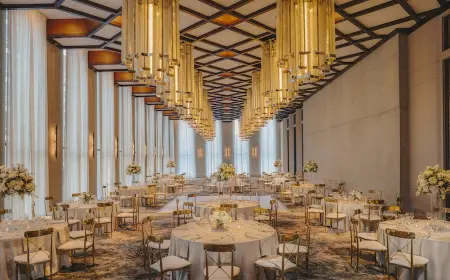
JW Marriott Mumbai Sahar Unveils New Culinary Direction to Elevate Luxury Hospitality in Maharashtra
JW Marriott Mumbai Sahar introduces a bold new culinary direction, enhancing luxury hospitality in Maharashtra with innovative dining concepts and elevated guest experiences.
 nishathapa
 JW Marriott Mumbai Sahar Unveils New Culinary Direction to Elevate Luxury Hospitality in Maharashtra
JW Marriott Mumbai Sahar has introduced a new culinary strategy aimed at redefining luxury hospitality experiences in Maharashtra, the hotel announced recently. The initiative focuses on innovative dining concepts, enhanced guest engagement, and a refreshed approach to gastronomy at the property located near Mumbai’s international airport. The move comes as part of the hotel’s broader effort to strengthen its positioning in the competitive luxury hospitality market.
The revamped culinary direction is designed to cater to evolving consumer preferences, where food and beverage offerings play a central role in shaping the overall guest experience. By emphasizing creativity, quality, and personalization, the hotel aims to set new benchmarks for dining within the luxury segment.
Focus on Experiential Dining
The new culinary approach at JW Marriott Mumbai Sahar places a strong emphasis on experiential dining, reflecting a growing trend in the hospitality industry. Guests are increasingly seeking immersive and memorable food experiences that go beyond traditional restaurant formats.
To meet this demand, the hotel has introduced curated menus, interactive dining formats, and chef-led experiences that highlight both global and regional cuisines. These offerings are designed to engage guests on multiple levels, combining taste, presentation, and storytelling.
The shift toward experiential dining aligns with broader industry trends, where hotels are transforming their food and beverage operations into key revenue drivers and brand differentiators.
Elevating Culinary Standards
As part of its new direction, the hotel is focusing on elevating culinary standards through the use of premium ingredients, refined techniques, and a commitment to innovation. The culinary team is expected to experiment with diverse flavors and contemporary cooking styles while maintaining a balance with classic offerings.
This approach reflects the increasing importance of gastronomy in luxury hospitality, where high-quality dining is considered an essential component of the guest experience. Hotels are investing in culinary talent and infrastructure to meet the expectations of discerning travelers.
The initiative also underscores the role of food and beverage in enhancing brand identity and attracting both in-house guests and external diners.
Integration of Local and Global Influences
A key aspect of the culinary transformation is the integration of local and global influences. The hotel aims to showcase regional flavors and ingredients alongside international cuisines, creating a diverse and dynamic dining portfolio.
This strategy is intended to appeal to a wide range of guests, including business travelers, international tourists, and local residents. By blending local authenticity with global appeal, the hotel seeks to create a unique culinary identity that resonates with different audiences.
Such integration is becoming increasingly important in the hospitality sector, as travelers look for authentic experiences that reflect the destination’s culture and heritage.
Enhancing Guest Engagement
The new culinary direction also focuses on enhancing guest engagement through personalized services and interactive elements. This includes customized dining experiences, special events, and thematic promotions designed to create lasting impressions.
Hotels are increasingly leveraging their food and beverage offerings to build stronger connections with guests, encouraging repeat visits and fostering brand loyalty. Personalized dining experiences can play a significant role in achieving these objectives.
By prioritizing guest engagement, JW Marriott Mumbai Sahar aims to differentiate itself in a market where competition among luxury properties continues to intensify.
Strategic Importance of Food and Beverage
The emphasis on culinary innovation highlights the strategic importance of food and beverage operations within the hospitality industry. In many luxury hotels, dining has evolved into a core component of the business, contributing significantly to overall revenue.
Hotels are increasingly viewing their restaurants and bars as standalone destinations that attract local patrons in addition to hotel guests. This shift has led to greater investment in concept development, design, and marketing of dining venues.
The initiative by JW Marriott Mumbai Sahar reflects this broader trend, as the property seeks to enhance its market position through a strong culinary offering.
Competitive Landscape in Mumbai
Mumbai’s luxury hospitality market is highly competitive, with several premium hotels offering diverse dining experiences. In this environment, continuous innovation is essential for maintaining relevance and attracting guests.
The introduction of a new culinary direction positions JW Marriott Mumbai Sahar to compete more effectively with other high-end properties in the city. By focusing on quality, creativity, and guest experience, the hotel aims to strengthen its reputation as a leading luxury destination.
The city’s status as a major business and tourism hub further amplifies the importance of differentiated offerings in the hospitality sector.
Industry Trends Driving Change
The transformation at JW Marriott Mumbai Sahar is indicative of wider trends shaping the hospitality industry. These include a growing emphasis on experiential travel, increased demand for high-quality dining, and the integration of technology in service delivery.
Consumers are becoming more discerning, with higher expectations for both accommodation and dining experiences. As a result, hotels are adopting innovative approaches to meet these expectations and stay competitive.
The focus on culinary excellence is also aligned with the rise of food tourism, where travelers choose destinations based on their dining offerings.
Future Outlook
Looking ahead, JW Marriott Mumbai Sahar is expected to continue refining its culinary strategy, with further enhancements and new initiatives likely to be introduced over time. The hotel’s focus on innovation and guest experience positions it well to adapt to changing market dynamics.
The success of the new culinary direction will depend on its ability to consistently deliver high-quality experiences that resonate with guests. Maintaining this balance will be crucial as the property seeks to build on its reputation in the luxury segment.
As the hospitality industry evolves, initiatives such as this highlight the growing role of dining in shaping the future of luxury hotels, with JW Marriott Mumbai Sahar aiming to remain at the forefront of this transformation.
The hotel has begun implementing its new culinary strategy, with further developments expected as it continues to enhance its offerings and strengthen its position in Maharashtra’s luxury hospitality landscape.