Karnataka Alco-Bev Targets Global Brewing Leadership
Karnataka alco-bev sector generates Rs 40,000 crore in excise revenue as the state pledges policy stability till 2030 and targets global brewing leadership.
 nishathapa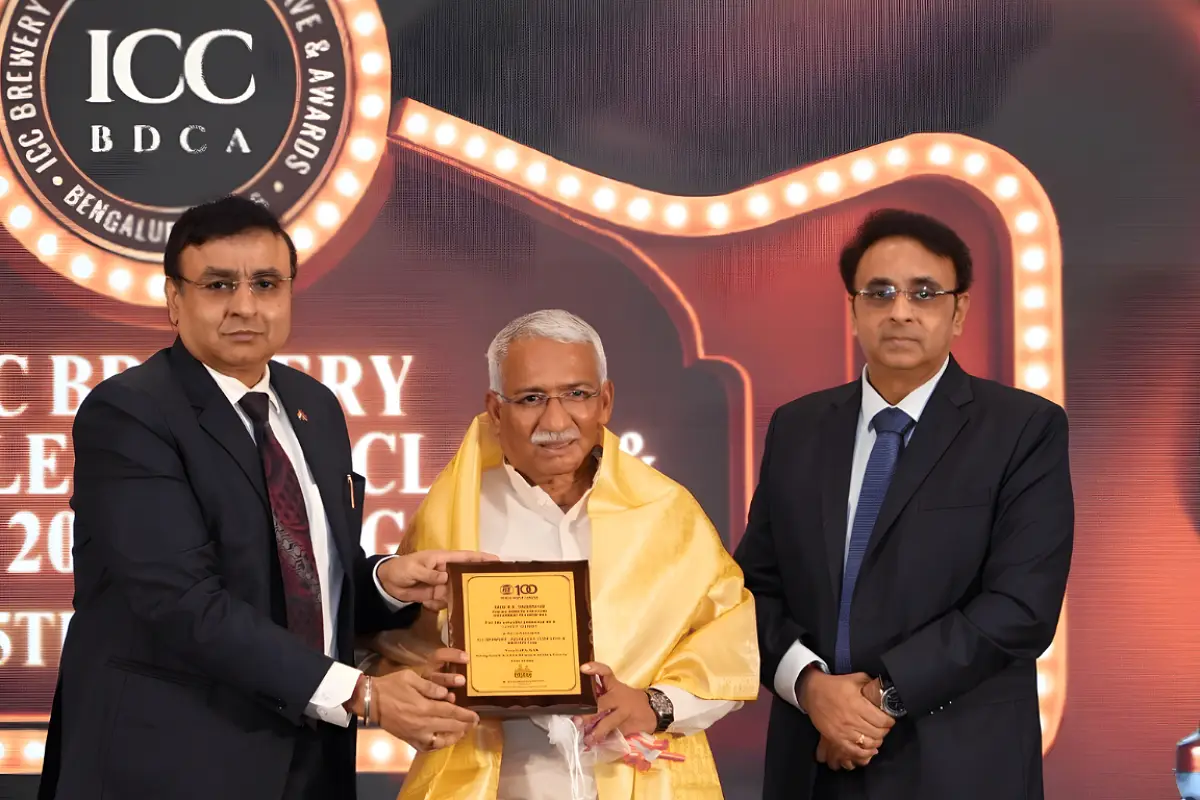
BENGALURU, May 27, 2026: Karnataka's alco-beverage sector now generates nearly Rs 40,000 crore annually in excise revenue, and the state government has signalled it intends to build on that base with a policy framework that runs through 2030, sustainability-led manufacturing growth, and a deliberate push to expand the brewery ecosystem beyond Bengaluru into Tier 2 and Tier 3 cities. The direction emerged from an industry conclave held in Bengaluru, attended by Excise Minister R B Timmapur, the Joint Excise Commissioner, brewers, distillers, sustainability specialists, technology providers and industry stakeholders.
Forty thousand crore rupees in annual excise revenue is a number that establishes the alco-bev sector's position in Karnataka's economy beyond any debate. It is not a niche industry or a peripheral contributor, it is one of the state's most significant revenue streams, sitting alongside technology, manufacturing and agriculture as a structural pillar of Karnataka's fiscal base. What the conclave addressed is what comes next: whether that revenue base grows through volume alone, or whether Karnataka uses its existing strength to build something more globally competitive and more sustainably constructed.
Karnataka Alco-Bev Sector Touches Rs 40,000 Crore as State Eyes Global Brewing Leadership
Excise Minister R B Timmapur was direct about the scale of what has already been built and the direction of what comes next.
"Over the last one year, Karnataka has undertaken a series of progressive excise and regulatory reforms aimed at improving ease of doing business for breweries, distilleries, and alco-bev manufacturers. We are moving towards a more transparent, technology-enabled, and industry-friendly ecosystem through simplified label approvals, streamlined declared price and MRP updation systems, digital compliance mechanisms, annual licence renewal reforms, and operational rationalisation measures."
— R B Timmapur, Excise Minister, Karnataka
On the policy visibility question, which is the one that investment decisions actually turn on, Timmapur went further.
"The Government is committed to providing long-term policy stability and regulatory visibility for the industry till 2030. Stable and forward-looking policy frameworks are essential to attract investments, scale manufacturing ecosystems, strengthen domestic production capabilities, and position Karnataka as a leading destination for brewing innovation and alco-bev manufacturing."
— R B Timmapur, Excise Minister, Karnataka
A government commitment to policy stability through 2030 is exactly what breweries and distilleries making capital-intensive, multi-year investment decisions need to hear. Brewing and distillation infrastructure does not turn over in a single financial year, a new brewery represents a decade-long capital commitment at minimum. Without policy certainty on licensing, labelling and MRP frameworks, that investment calculus becomes too uncertain to act on confidently. Karnataka has understood that and said so explicitly.
The Revenue Number Is Not the Whole Ambition, Timmapur on Inclusive Growth
What distinguished Timmapur's remarks from a standard sector promotion speech was his explicit framing of what the Rs 40,000 crore figure is and is not meant to represent.
"Karnataka today generates nearly Rs 40,000 crore annually through excise revenue, underlining the alco-bev sector's importance to the state economy and industrial ecosystem. At the same time, our objective is not merely revenue generation, but building a balanced ecosystem that benefits consumers, industry, farmers, manufacturers, and local communities through sustainable and inclusive growth."
— R B Timmapur, Excise Minister, Karnataka
A minister of excise saying the goal is not merely revenue generation is a noteworthy departure from the default posture of most state-level alco-bev policy discussions, which tend to revolve almost entirely around excise duty rates and collection targets. The explicit inclusion of consumers, farmers and local communities in the same sentence as manufacturers and industry signals a broader conception of what a well-functioning alco-bev ecosystem looks like, one that creates value across the entire supply chain rather than concentrating it at the manufacturing and retail ends.
Shivkumar Eashwaran on Sustainability as the Defining Framework for the Industry's Future
Shivkumar Eashwaran, Chairman of the Indian Chamber of Commerce, Chairman of Canadian Crystalline Water India Limited and Consul General of the Republic of Armenia in South India, put sustainability at the centre of where he sees the alco-bev industry's future heading.
"Water conservation, wastewater recycling, energy efficiency, and circular economy practices must become integral to brewing and distillation operations. Karnataka has the opportunity to emerge as a globally benchmarked sustainable brewing ecosystem."
— Shivkumar Eashwaran, Chairman, Indian Chamber of Commerce
The phrase "globally benchmarked" is the operative ambition here. Karnataka is not trying to become a better version of what it already is, it is positioning itself against international brewing ecosystems in Germany, Belgium, the United States and Australia, which have built their global reputations on the combination of product quality and environmental responsibility. Water use in brewing is a particularly acute issue: a litre of beer requires anywhere between three and seven litres of water in production, and in a country where water stress is a growing pressure across multiple industries, breweries that cannot demonstrate credible conservation and recycling practices are going to face both regulatory and reputational pressure regardless of what any single state government decides.
The Farmer Supply Chain Argument Is the Most Underreported Part of This Story
Eashwaran's remarks on the agricultural supply chain dimension of brewery growth are worth reading carefully, because they address something that most alco-bev industry discussions in India skip entirely.
"Karnataka today has one of the strongest economies in India, and as the alco-bev sector grows, the benefits of this growth must reach every stakeholder across the value chain. We should not leave our farmers behind in this journey. Raw materials required for breweries — including barley, grains, fruits, and other agricultural produce, should increasingly be sourced from our own farmers, thereby strengthening local supply chains and rural livelihoods."
— Shivkumar Eashwaran, Chairman, Indian Chamber of Commerce
India currently imports a significant proportion of the malting barley its breweries use, because domestic barley varieties have historically not met the quality and consistency specifications that large-scale brewing requires. Building the agricultural supply chain that would allow Karnataka's breweries to source barley, fruits and other raw materials from local farmers is a multi-year agronomic and logistics challenge, but it is also a meaningful rural development opportunity if it is pursued seriously rather than just mentioned at conclaves.
Craft Beer Recognition and the Tier 2 City Opportunity
The conclave also recognised three participants from India's craft brewing industry, American Brew Works, Kling Brewery and Oasis, reflecting the growing international visibility that Indian craft beer has been building across export markets and domestic premium channels. The acknowledgement sits alongside a broader discussion about expanding brewing equipment manufacturing and allied technology development into Karnataka's Tier 2 and Tier 3 cities, which have the industrial capacity and workforce to support brewing supply chains but have largely remained peripheral to the state's brewing growth story so far.
The combination of a Rs 40,000 crore revenue base, policy stability committed through 2030, an explicit sustainability framework, a farmer supply chain agenda and craft beer recognition on the global stage gives Karnataka a more coherent and ambitious alco-bev strategy than most Indian states have articulated. Whether the policy commitments survive the inevitable pressures of budget cycles, election calendars and excise rate negotiations is the harder question. For now, the direction is clear and the ambition is larger than the revenue number alone.