Koyna Daulat Dongri Festival Attracts Over 2 Lakh Visitors in Satara
Koyna Daulat Dongri Festival 2026 draws over 2 lakh visitors in Satara, boosting rural tourism and regional development in Maharashtra.
 nishathapa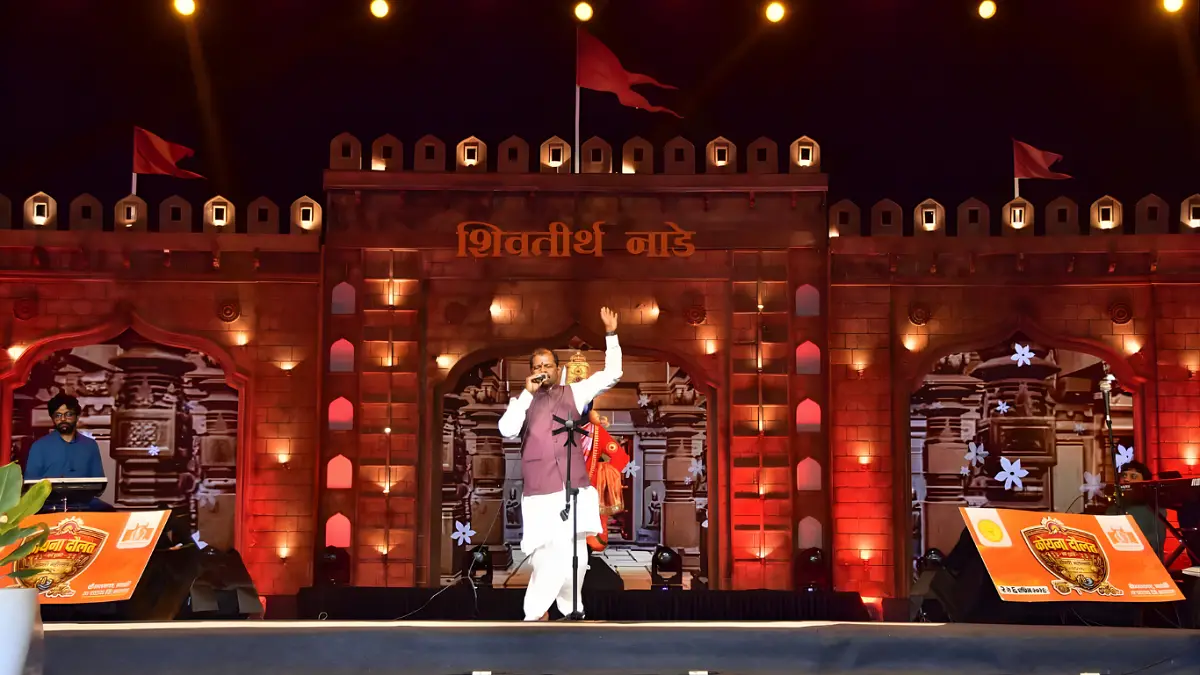
SATARA, India – April 12, 2026 – The Koyna Daulat Dongri Festival 2026 concluded on April 9 after attracting more than 2 lakh visitors, reinforcing its position as a key rural tourism initiative in Maharashtra. The extended three-day schedule, announced on April 6, contributed to higher footfall and sustained visitor engagement throughout the event.
Organised by the Department of Tourism in collaboration with the District Administration of Satara and the Regional Tourism Directorate, Pune, the festival highlighted the tourism potential of the Sahyadri region while showcasing local culture, adventure offerings and community-driven initiatives.
Visitor turnout crosses 2 lakh with extended schedule
The festival recorded a turnout exceeding 200,000 visitors, supported by the addition of three extra days to the programme. The decision to extend the schedule enabled organisers to accommodate increased demand and improve accessibility for tourists travelling from across Maharashtra.
High participation levels were observed across all days, with key attractions and activities drawing consistent crowds. The event’s scenic setting in the Sahyadri mountain range further enhanced its appeal, positioning it as a destination for nature-based and experiential tourism.
Officials indicated that the extended format played a significant role in expanding the reach of the festival, contributing to its growing recognition as a major rural tourism event in the state.
Government outlines plans to scale tourism in Satara
During his visit, Deputy Chief Minister Eknath Shinde acknowledged the strong public response and reiterated the state’s intention to promote Satara as a prominent tourism destination at both national and international levels. He also announced plans to organise a Koyna Backwater Festival during the winter season, building on the success of the current event.
Tourism Minister Shambhuraj Desai stated that the festival successfully integrated the natural landscape of the Sahyadris with cultural and rural experiences, contributing to eco-tourism and local economic activity. He confirmed that the festival will return next year with an expanded programme.
The initiative reflects Maharashtra’s broader strategy to leverage cultural and rural tourism to drive regional development and diversify its tourism portfolio beyond urban centres.
Adventure activities and exhibits drive engagement
The festival featured a mix of adventure, cultural and community-based activities designed to appeal to a wide range of visitors. Key offerings included boating, jet water sports, paragliding, horseback and camel rides, and electric buggy rides.
Boating and jet water sports alone attracted over 13,000 participants, indicating strong demand for adventure tourism experiences. These activities were complemented by agricultural and livestock exhibitions, food festivals and initiatives led by women’s self-help groups.
The combination of adventure and rural experiences contributed to a diversified visitor profile, attracting families, youth and tourists interested in experiential travel.
Cultural programming and technology-led showcases
Entertainment and cultural programming formed a central component of the festival. Events such as drone and laser shows, musical fountains and live performances drew significant attention and maintained high visitor engagement throughout the event.
Traditional cultural elements, including devotional music, folk performances and band showcases, were integrated with contemporary formats, creating a balanced programme that catered to diverse audiences.
The festival also featured an agricultural showcase highlighting the application of artificial intelligence in farming, reflecting efforts to incorporate knowledge-based exhibits alongside entertainment.
Infrastructure projects inaugurated during the event
Alongside tourism activities, the festival served as a platform for the inauguration of key infrastructure projects in the region. These included the Sangwad Bridge over the Koyna River, the Late Shivajirao Desai Memorial Hall and the Shivajirao Daulat Stadium at Daulatnagar.
The projects are expected to enhance connectivity and support local development, aligning with the government’s focus on integrating tourism growth with infrastructure expansion.
Senior officials and dignitaries, including representatives from the Directorate of Tourism, Maharashtra Tourism Development Corporation and district administration, attended the event, underscoring its significance within the state’s tourism calendar.
The Koyna Daulat Dongri Festival 2026 highlights the growing importance of rural and experiential tourism in Maharashtra, with strong visitor turnout and expanded programming supporting its role as a catalyst for regional tourism and economic activity.