LPG Shortage Disrupts Hotels, Transport in Hyderabad
Commercial LPG shortage in Hyderabad disrupts hotel operations and auto transport, forcing price hikes, fuel switching, and long queues at gas stations.
 nishathapa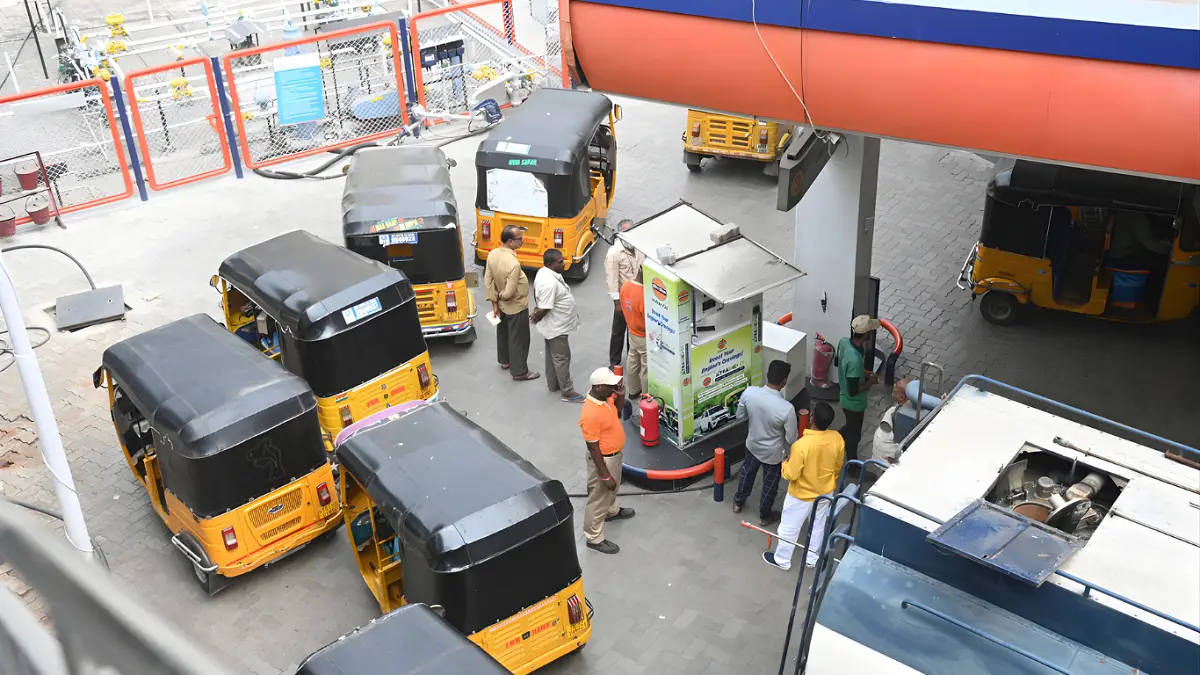
Hyderabad, April 2026, A prolonged shortage of commercial LPG and auto LPG in Hyderabad is disrupting both the city’s hospitality sector and public transport services, with restaurants scaling down operations and auto drivers facing rising fuel costs and long queues at dispensing stations.
The supply constraints, which began nearly a month ago amid ongoing geopolitical tensions involving Iran, Israel, and the United States, continue to affect daily operations across multiple sectors with no immediate resolution in sight.
Hotels face operational disruption and rising costs
The shortage of commercial LPG has significantly impacted hotels, roadside eateries, and small food establishments across Hyderabad. Several small-scale outlets, including tea stalls and quick-service eateries, have temporarily shut down due to lack of fuel supply.
Others have been forced to adopt alternative cooking methods, including firewood, to continue operations. This shift has affected efficiency and profitability, particularly for establishments preparing high-demand dishes such as biryani, mandi, nihari, and curries.
Hotel operators report declining margins as fuel availability becomes inconsistent. Limited access to LPG cylinders has created an uneven operating environment, where businesses with better supplier connections are managing to secure fuel while others struggle to maintain continuity.
Managers also highlighted operational challenges, including health concerns among kitchen staff exposed to smoke from firewood-based cooking. The shift away from cleaner fuel sources is impacting working conditions and overall service efficiency.
Price hikes and grey market activity emerge
The supply shortage has triggered price increases across the food service sector. Several small eateries have raised menu prices by approximately ₹10 per item to offset rising input costs.
At the same time, a parallel grey market for LPG cylinders has emerged, with prices reportedly reaching around ₹3,500 per cylinder—significantly higher than regulated rates. This has added financial pressure on small and mid-sized operators already coping with reduced customer volumes and higher operating costs.
The combination of increased fuel expenses and reduced service capacity is affecting the overall viability of smaller establishments, many of which operate on thin margins.
Auto drivers grapple with fuel price disparity
The shortage is also affecting Hyderabad’s transport sector, particularly auto-rickshaw drivers who rely on auto LPG. A sharp price disparity between government-run and private fuel stations has further complicated the situation.
At public sector outlets, LPG is being sold at approximately ₹90 per litre, while private stations are charging between ₹120 and ₹130 per litre. This gap has led to long queues at government-operated dispensing stations as drivers attempt to minimise fuel costs.
Drivers report extended waiting times but say they have limited options, as passengers are unwilling to absorb higher fares linked to increased fuel costs. This has reduced earnings and added operational strain on daily transport services.
Supply disruption linked to global factors
Industry stakeholders attribute the ongoing shortage to disruptions in global supply chains triggered by geopolitical tensions in key oil-producing regions. The ripple effects are being felt across urban centres like Hyderabad, where demand for commercial LPG remains high across hospitality and transport sectors.
The absence of a stable supply has exposed the dependence of urban service industries on consistent fuel availability. Businesses are now navigating a combination of supply uncertainty, cost escalation, and operational adjustments to sustain daily activities.
Impact highlights vulnerability of urban service sectors
The current situation underscores the vulnerability of fuel-dependent sectors such as hospitality and urban transport to external disruptions. With no immediate relief in supply, stakeholders are calling for measures to stabilise distribution and address pricing disparities.
For the hospitality sector, particularly small and independent operators, the shortage is affecting service quality, staff conditions, and financial sustainability. In parallel, transport operators continue to balance rising input costs with fare constraints, reflecting broader challenges across the urban economy.
As the situation continues, both sectors remain under pressure, navigating operational challenges while awaiting improved supply conditions and regulatory intervention.