Mangaluru Hotels Shift to Firewood as LPG Shortage Disrupts Operations
Hotels in Mangaluru rely on firewood as LPG shortages and rising fuel costs disrupt operations, forcing menu cuts and partial shutdowns.
 nishathapa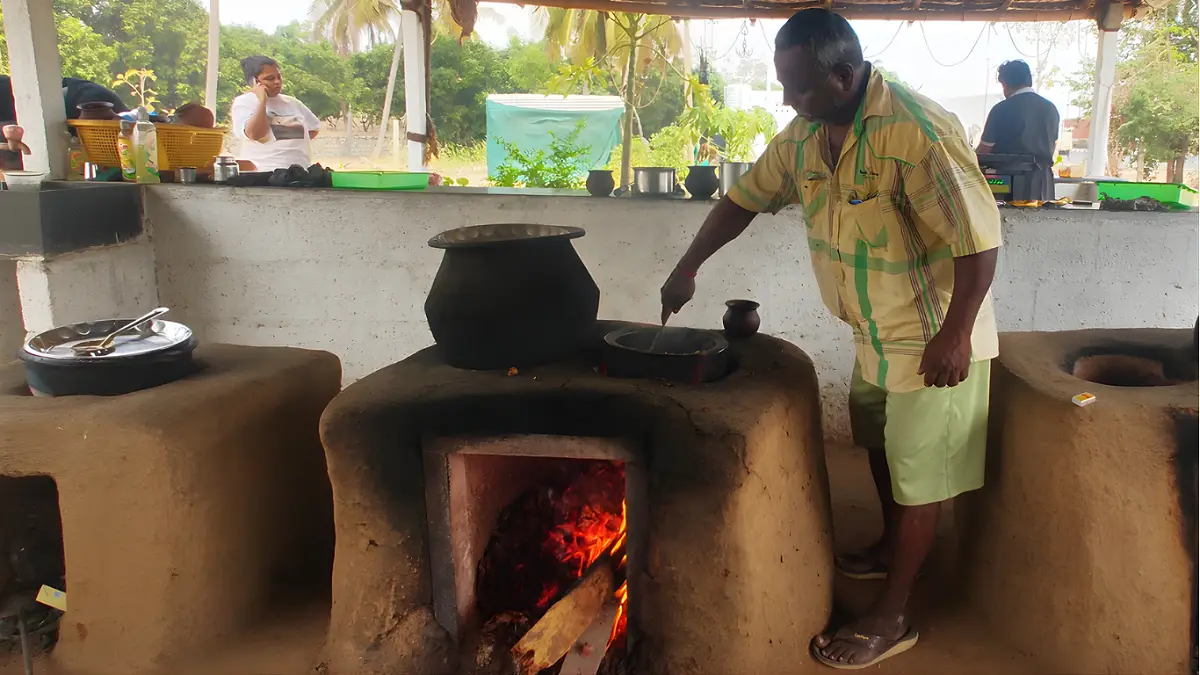
Mangaluru, India, April 2026: Hotels and restaurants across Dakshina Kannada district are increasingly turning to firewood for cooking as a prolonged shortage of commercial LPG continues to disrupt kitchen operations. The crisis, triggered by supply chain disruptions linked to the closure of the Strait of Hormuz, has forced operators to cut menus, reduce output, and in some cases temporarily shut down.
Although LPG distribution has partially resumed, industry stakeholders report that supply levels remain significantly below normal. At the same time, a sharp rise in commercial LPG prices has compounded operational challenges, creating a dual pressure of limited availability and increased costs for hospitality businesses.
LPG shortage forces operational adjustments
Hotel operators across Mangaluru have been compelled to adapt quickly to the ongoing fuel shortage. Many establishments, ranging from small eateries to premium hotels, are now using firewood either as a primary or supplementary cooking source.
A hotel located on MG Road has adopted a hybrid approach, using firewood to prepare meals for over 55 staff members while reserving LPG for guest orders. This shift allows the property to save approximately one commercial LPG cylinder per day, helping manage limited supply.
Despite such adjustments, operators indicate that uncertainty remains high, with no clear timeline for when supply levels will stabilise. The situation has led to cautious operational planning, with many businesses avoiding full-scale reopening or expansion of services.
Supply constraints and rising costs impact viability
Even as LPG supplies resume, availability is estimated at around 50% of normal requirements for several establishments. This shortfall has forced operators to explore alternative sourcing methods, including travelling long distances to procure cylinders.
In areas such as Kankanady, hotel owners report sourcing LPG from locations as far as Surathkal. Additionally, the emergence of a black market has further complicated procurement, with prices reportedly reaching nearly double the regulated rate. For many small and mid-sized operators, these costs are considered unsustainable.
The increase in fuel costs is not limited to LPG. Firewood, which has become a fallback option, has also seen a significant price rise. Rates have increased from approximately Rs 4,500–Rs 5,500 per tonne before the crisis to around Rs 8,000 per tonne, further straining operational budgets.
Menu restrictions and reduced service capacity
The shortage has directly impacted menu offerings across restaurants. Many establishments have either limited their menus to fast-moving, low-fuel dishes or reduced service hours to conserve resources.
Operators indicate that customer choice has been affected, with diners often having to select from a restricted set of options rather than a full menu. In some cases, restaurants that lack the infrastructure for firewood cooking have been unable to operate at full capacity or have delayed reopening altogether.
A restaurant operator near Falnir noted that their establishment is currently managing operations with a combination of LPG and firewood while maintaining a limited menu. This approach, while necessary, has altered the overall dining experience and reduced revenue potential.
Industry-wide shift to alternative fuel methods
The reliance on firewood is becoming a widespread trend across the region, particularly among establishments with the space and infrastructure to support it. Larger properties, including those with multiple facilities, have implemented structured arrangements to integrate firewood into their operations.
The Ocean Pearl Hotel, which operates two properties in Mangaluru, has adopted a 50:50 usage model between LPG and firewood. Management has reportedly made logistical arrangements to ensure consistent firewood supply, highlighting the scale of adaptation required to sustain operations.
However, this shift also raises concerns regarding efficiency, scalability, and environmental impact, particularly if the shortage persists over an extended period.
Uncertainty continues amid external supply disruptions
The ongoing crisis is linked to disruptions in global fuel supply chains following the closure of the Strait of Hormuz, a critical energy transit route. While the immediate impact is being felt at the local level, the situation underscores the vulnerability of hospitality operations to external geopolitical developments.
For now, hotels and restaurants in Dakshina Kannada are operating under constrained conditions, balancing limited fuel availability with rising input costs. The combination of reduced supply, increased expenses, and operational uncertainty continues to challenge the region’s hospitality sector.
With no clear resolution timeline, industry stakeholders remain focused on short-term survival strategies, including alternative fuel use, cost control, and scaled-back service offerings.