Polo Hotels Expansion Enters West Bengal with Dooars Project
Polo Hotels expansion introduces new brand architecture and entry into West Bengal with Planters Lodge in Dooars, alongside growth across Northeast India.
 nishathapa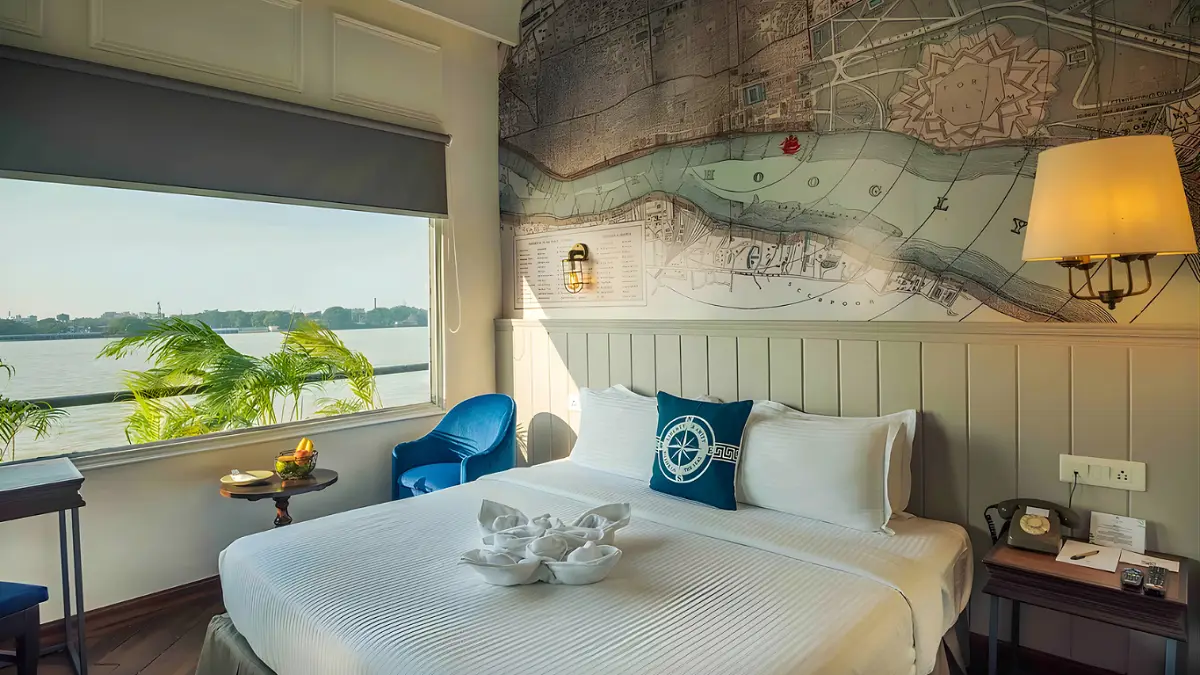
Shillong/Meghalaya House, April 22, 2026: Polo Hotels & Resorts has announced a new brand architecture alongside an expansion roadmap that includes entry into West Bengal and continued growth across Northeast India, as the group positions itself for a broader national presence.
New Brand Structure Signals Strategic Shift
The announcement was made by Deval Tibrewalla, CEO & Director of Polo Hotels & Resorts, during a media showcase held at Meghalaya House. The company outlined a streamlined brand architecture aimed at organising its portfolio while enabling scalability beyond its traditional regional base.
Founded in 1991 in Meghalaya, Polo Hotels has historically focused on hospitality rooted in local culture and regional identity. The new structure is designed to retain this positioning while aligning operations with the expectations of a wider and more diverse traveller base.
According to the leadership, the revised framework places the brand between boutique hospitality and standardised hotel chains, seeking to balance personalised experiences with operational consistency required for expansion.
Expansion Beyond Northeast with West Bengal Entry
As part of its growth strategy, Polo Hotels & Resorts is expanding its footprint beyond Northeast India, with its first move into West Bengal. The upcoming property, Planters Lodge in the Dooars, marks a key milestone in this transition.
The Dooars project will feature an all-bungalow layout set within tea garden surroundings, reflecting a design approach centred on low-density development and immersive travel experiences. The property is positioned to cater to travellers seeking slower, nature-oriented stays rather than conventional hotel formats.
Alongside this expansion, the company plans to strengthen its presence across multiple states in Northeast India, indicating a dual strategy of consolidating its core market while entering new regions.
Existing Portfolio Anchored by Four Key Properties
The group highlighted four flagship properties that currently define its operational base. Polo Towers Shillong operates as a 51-room urban hotel combining city accessibility with a hill destination setting.
Polo Resort Cherrapunji offers 58 rooms and is positioned around natural attractions such as the Seven Sisters Falls. Polo Floatel Calcutta, also with 58 keys, is a floating hotel located on the Hooghly River, representing a distinct format within the portfolio.
Polo Hotel Agartala, with 100 rooms, serves as a larger-format property and anchors the brand’s presence in Tripura, reflecting a mix of heritage-inspired design and modern amenities.
These properties collectively illustrate the group’s varied approach to location-based hospitality, ranging from urban hotels to destination resorts and unconventional formats.
Shift Towards Experience-Led Hospitality
Alongside structural and geographic expansion, Polo Hotels & Resorts is placing increased emphasis on experiential offerings. The company has introduced curated guest experiences across its properties, focusing on activities that align with local culture and surroundings.
These include outdoor and scenic dining formats, wellness-oriented programmes, and cultural engagement initiatives designed to provide location-specific experiences. The approach reflects a move away from standardised luxury offerings towards differentiated, experience-driven stays.
This shift aligns with broader industry trends where travellers are prioritising immersive and personalised experiences over traditional hospitality formats.
Positioning for National Growth
The new brand architecture and expansion roadmap indicate Polo Hotels & Resorts’ intent to transition from a regionally focused operator to a national-level hospitality player. The company continues to emphasise its core identity built around local storytelling and destination-led experiences while adapting to evolving market dynamics.
The dual focus on strengthening its Northeast base and entering new markets such as West Bengal suggests a phased growth strategy, combining regional consolidation with selective expansion.
With its existing portfolio and upcoming developments, the group is aligning its operations to capture demand from both domestic leisure travellers and experience-driven segments, which are seeing increased traction across India’s hospitality sector.