Radisson Signs Two Hotels in Mumbai Region with 217 Keys
Radisson signs two new hotels in Mumbai Metropolitan Region with 217 keys across Thane and Mira Bhayandar, expanding its presence in business corridors.
 nishathapa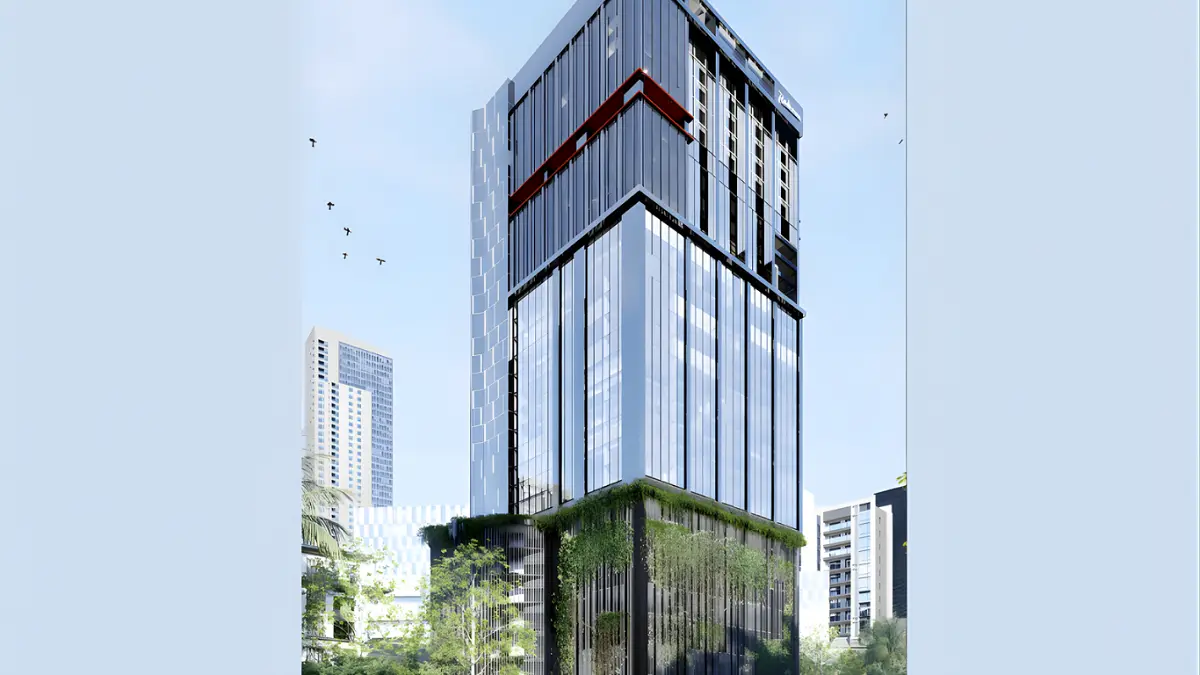
April 29, 2026 | Mumbai: Radisson Hotel Group has signed two new hotel projects in the Mumbai Metropolitan Region, adding a combined inventory of 217 rooms across Thane and Mira Bhayandar. The developments, undertaken in partnership with Vihang Group, mark a strategic expansion into emerging business corridors within the city.
The two properties, Radisson Hotel Mumbai Thane and Radisson Hotel Mumbai Mira Bhayandar — reflect a broader shift in hospitality demand towards peripheral urban clusters, supported by infrastructure growth and increasing commercial activity beyond traditional central business districts.
217-key expansion across Thane and Mira Bhayandar
The dual signing includes 114 rooms at Radisson Hotel Mumbai Thane and 103 rooms at Radisson Hotel Mumbai Mira Bhayandar. Together, the projects are positioned to address growing demand from corporate, MICE, and social segments in high-growth micro-markets.
The Mira Bhayandar property, located at Vihang Ventura on Mira Bhayandar Road, is being developed by Vihang Ahead and is expected to introduce the first internationally branded five-star hotel in the area. The Thane property will be situated along Pokhran Road, close to office developments and retail hubs.
Mira Bhayandar to get first five-star hotel
The Radisson Hotel Mumbai Mira Bhayandar is planned as a full-service property catering to both business and leisure travellers. The hotel will include an all-day dining restaurant, specialty dining outlets, a bar, banquet and meeting spaces with pre-function areas, along with leisure amenities such as a gym and swimming pool.
The development is positioned within a commercial corridor that connects to National Highway 48 and Mumbai’s western suburbs. The location is also expected to benefit from upcoming metro connectivity, enhancing access to the wider metropolitan area.
Strategic focus on emerging business corridors
The expansion aligns with Radisson Hotel Group’s strategy of strengthening its presence within metro cities by targeting high-potential micro-markets. Thane and Mira Bhayandar have seen increasing corporate activity, particularly from IT and BFSI sectors, driving demand for quality hospitality infrastructure.
The Thane property will offer proximity to key transport hubs, including Thane Railway Station, Chhatrapati Shivaji Maharaj International Airport, and the upcoming Navi Mumbai International Airport. Its location along major road networks further supports accessibility for business travellers.
Part of mixed-use developments
Both projects are being developed as part of larger mixed-use ecosystems, integrating hospitality with commercial and retail components. This approach is intended to create sustained demand by aligning hotel operations with surrounding business and lifestyle infrastructure.
According to company executives, identifying such integrated developments within metros allows for long-term value creation while addressing evolving urban demand patterns.
Expanding Radisson’s Mumbai footprint
With these signings, Radisson Hotel Group continues to scale its presence in the Mumbai Metropolitan Region. The company currently operates four hotels in the city and has three additional properties in the pipeline.
The latest additions reinforce the group’s focus on Tier 1 cities while tapping into secondary growth zones within these markets. The strategy is aimed at building clusters of hotels in locations where infrastructure upgrades and commercial expansion are creating new demand centres.
A company spokesperson stated that the signings are aligned with its objective of expanding into emerging corridors within major cities, allowing the brand to cater to evolving business travel patterns and increasing demand from corporate and MICE segments.
The projects also reflect a growing trend in India’s hospitality sector, where development activity is increasingly concentrated in peripheral urban areas supported by improved connectivity and mixed-use planning.