Radisson Youth Skilling Drive Places 501 Youth in Hospitality Jobs
Radisson youth skilling initiative has trained 616 candidates and placed 501 across India, impacting over 850 young people through hospitality training.
 nishathapa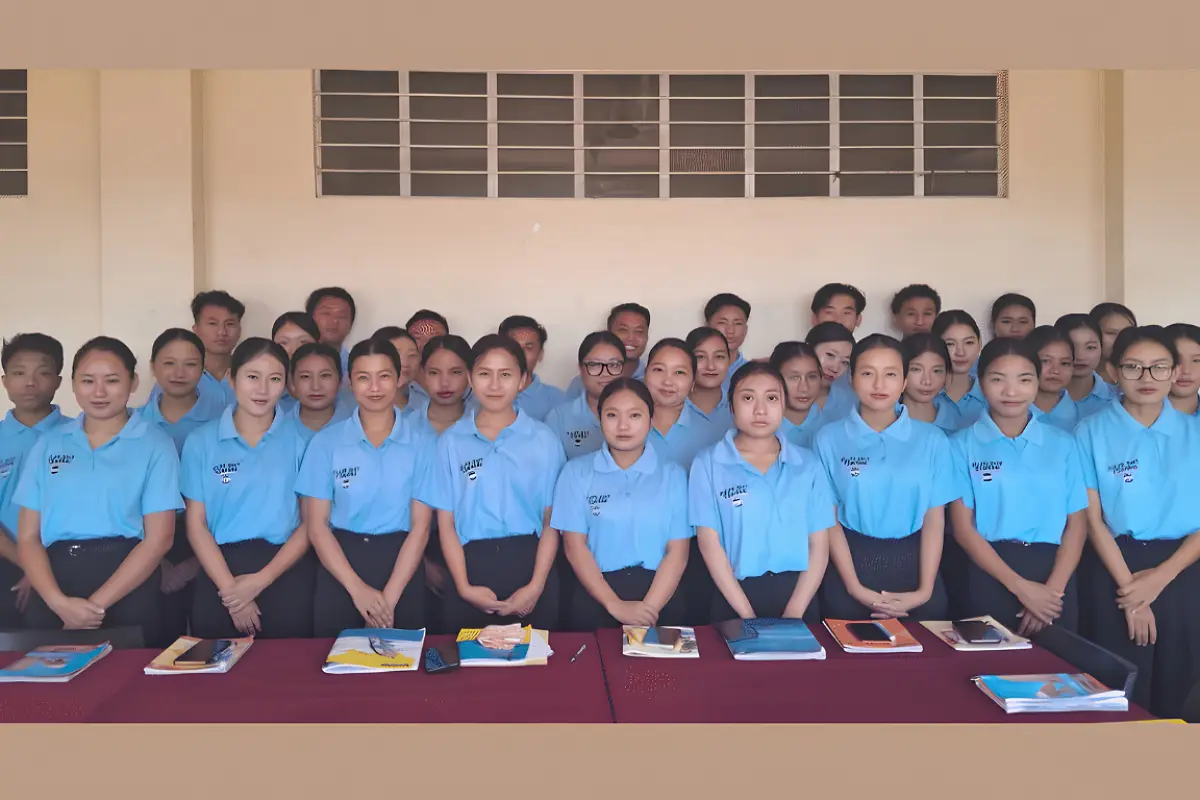
New Delhi, May 2026: In an industry that’s short on trained hands but long on hiring targets, this skilling push is starting to show real numbers on the ground.
Marriott India says more than 850 young individuals across India have been impacted under its Youth Skilling Initiative, with 616 trained and 501 placed in hospitality jobs.
The programme, run with the Tourism and Hospitality Skill Council (THSC) and the Marriott India Business Council, is built around one simple idea, train people for the jobs hotels actually need filled.
Training and placement outcomes across multiple states
So far, the initiative has completed two cycles. And the numbers are tight. 616 candidates trained. 501 placed. That’s roughly an 87% placement rate, coming largely from rural and underserved regions where formal hospitality training is still thin. The programme spans eight states: Nagaland, Meghalaya, Manipur, Jammu & Kashmir, West Bengal, Delhi NCR, Himachal Pradesh and Telangana. These aren’t random picks. These are markets where access is low, and opportunity is even lower. And there’s a clear gender push. More than half the candidates placed are women.
Industry-linked skilling model drives employability
This isn’t classroom-heavy theory. The training is short, focused, and built around real hotel work, front office, F&B service, guest handling. And that’s the difference. Most skilling programmes fail because they don’t match how hotels actually run. This one tries to fix that gap. By lining up training with day-to-day hotel needs, candidates walk in job-ready, not just certified. And hotels get staff who can actually work the floor from day one.
Individual success stories highlight social impact
The real impact shows up in where these candidates come from, and where they end up. One participant from Meghalaya landed a role at The Bay Club in Mumbai even before completing training. Another from Manipur moved to Delhi and now works as a food and beverage associate at The Leela Palace New Delhi. These aren’t small jumps. They’re first-time entries into formal employment, for entire families. And often, first-time migration into major city job markets.
Expansion plans under third phase of programme
The programme is now moving into its third phase. And the focus is clear, scale it up, tighten hiring pipelines, and get more employers directly involved. There’s also a push to improve placement consistency and open doors in more regions. Because training alone doesn’t fix anything unless jobs follow.
Hospitality sector workforce demand supports initiative
This comes at a time when hotels are expanding fast—but struggling to find trained staff. New properties. New markets. Same old hiring gap. Domestic travel is up. Tier II and III cities are growing. And manpower demand is rising just as quickly. That’s where programmes like this step in. They don’t just train people. They feed the hiring pipeline. And in today’s market, that’s what actually moves the needle.