Soneva Namoona Marks 7 Years of Waste Impact
Soneva Namoona celebrates 7 years of improving waste management in Maldives through community programs, recycling initiatives, and sustainability efforts.
 Pratyaksha Singh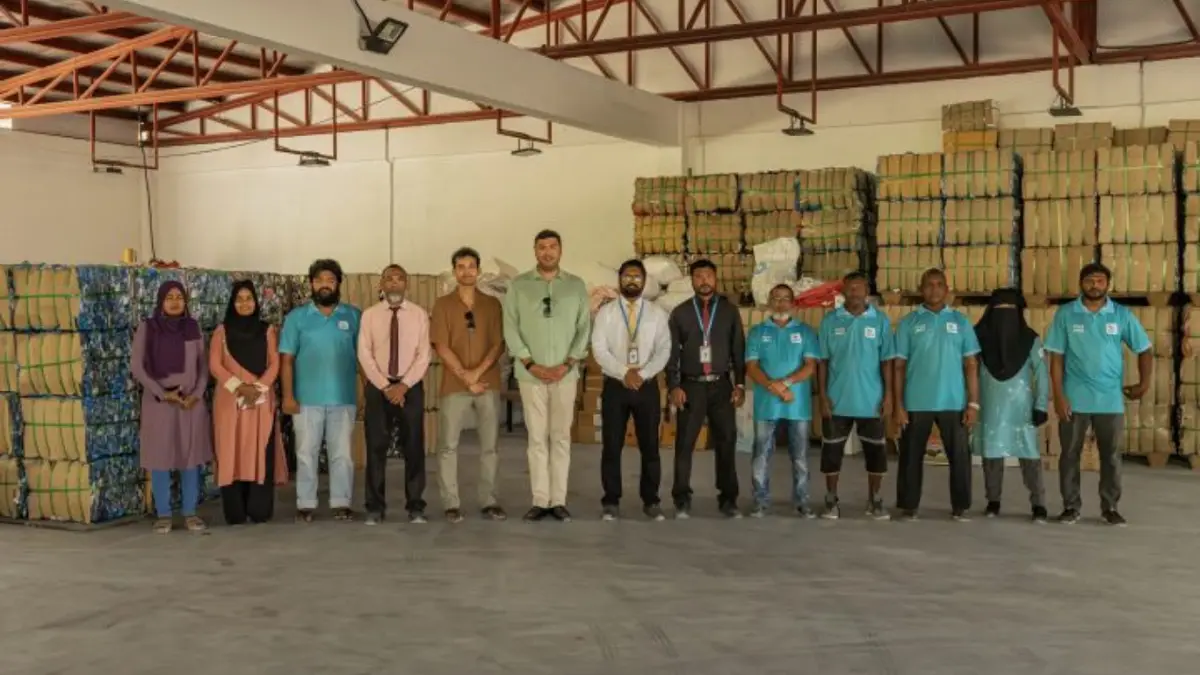
Soneva Namoona waste management initiatives have reached a significant milestone, marking seven years of community-driven sustainability efforts across the Maldives. As waste management continues to be a critical issue for island nations, the organisation has played a key role in building effective systems and encouraging environmental responsibility.
Community-Based Waste Management Progress
Over the past seven years, Soneva Namoona has worked closely with local communities to develop structured waste management systems. Through partnerships with island councils and households, the initiative has helped establish waste management centres focused on waste separation, recycling, and reduction.
Celebration events across participating islands highlighted the progress achieved, including the introduction of waste compacting machines. These machines improve storage efficiency, reduce waste volume, and minimise the risk of marine pollution during transport.
Tackling Plastic Waste in the Maldives
One of the major achievements of Soneva Namoona waste management programs is reducing single-use plastics. In Baa Atoll, the organisation has helped prevent the use of over one million plastic bottles through its sustainable water initiatives.
This effort contributes significantly to plastic reduction Maldives strategies, supporting cleaner oceans and reducing environmental damage caused by improper waste disposal.
Supporting Sustainability and Eco Tourism
The Maldives heavily depends on its natural environment for tourism, making sustainability Maldives initiatives essential. By reducing waste burning, improving composting systems, and encouraging recycling, Soneva Namoona supports eco tourism Maldives by maintaining cleaner and healthier island ecosystems.
These initiatives not only benefit the environment but also enhance the overall visitor experience by preserving the natural beauty of the islands.
Expanding Impact Through National Programs
Beyond island-level work, Soneva Namoona has introduced several nationwide initiatives. Programs such as green school campaigns, resale markets promoting circular economy practices, and household composting projects have expanded its impact across communities.
The organisation has also contributed to policy discussions, with elements of its waste management model being incorporated into broader government strategies.
Conclusion
The seven-year journey of Soneva Namoona waste management highlights the importance of community involvement in achieving sustainable change. By combining infrastructure, education, and local participation, the organisation continues to set a benchmark for environmental responsibility in the Maldives.
Its work demonstrates that long-term sustainability is achievable when communities take ownership of solutions and work together toward a cleaner future.