Why Spatial Identity and Tactile Touchpoints Form the Future of Premium Hotel Branding
Discover how a cohesive material language shapes a hotel’s spatial identity, enhances the guest experience, and turns small touchpoints like key cards into powerful hotel branding tools.
 Munni Khatun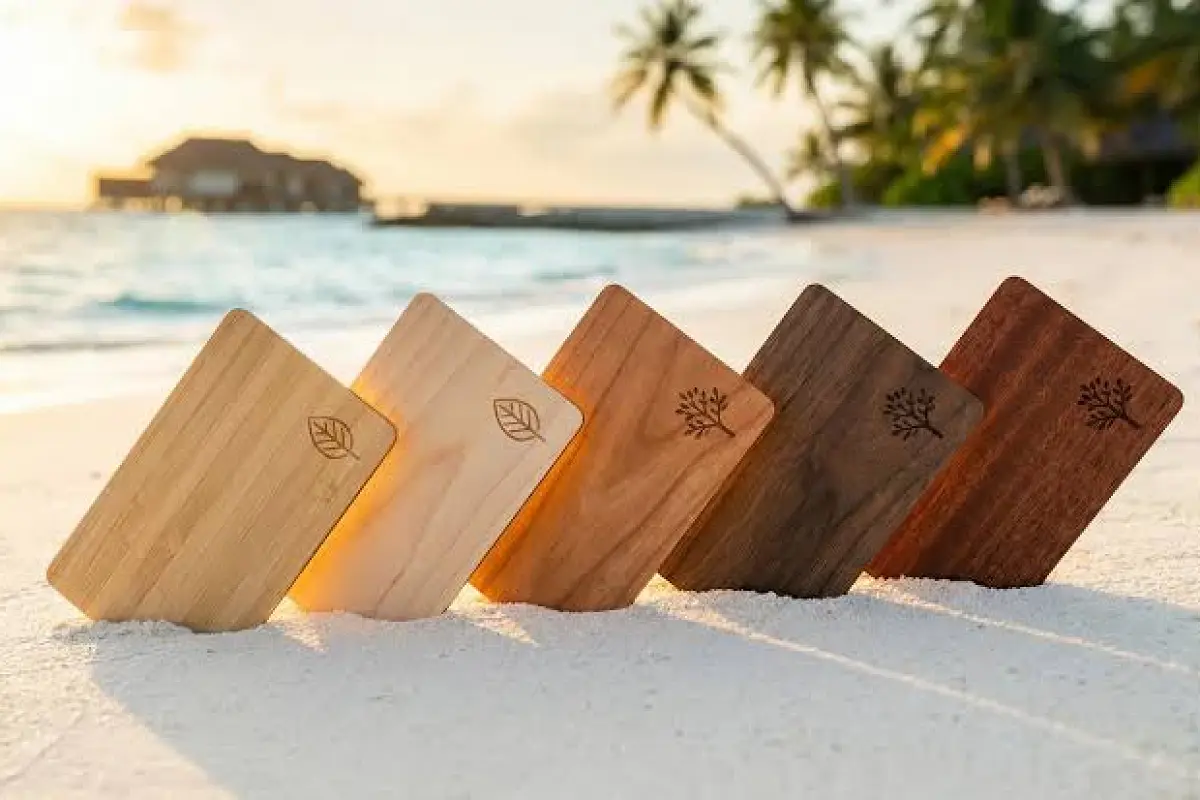
When you step into a truly remarkable hotel branding, you instantly feel its unique atmosphere. But if you strip that feeling back to its core, what actually creates it? Beyond the luxurious amenities and attentive staff, you will find the foundation of a property's spatial identity.
It comes down to a quiet, consistent alignment of decisions: the choice of materials, finishes, proportions, and everyday objects. When executed correctly, these elements follow a unified design logic that fundamentally shapes the ultimate guest experience.
The Core of Material Language
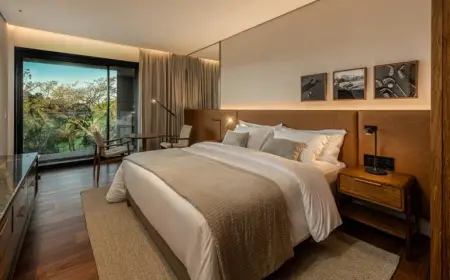
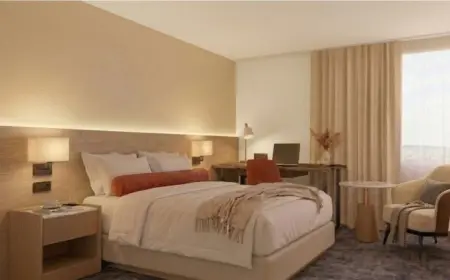
Timber resting beside natural stone. Crisp linen draped alongside forged metal. These combinations only succeed when they are governed by an underlying system. Without that intrinsic coherence, a space feels fragmented and confusing to the senses.
While a hotel’s material language can shift dramatically depending on its context and location, the design logic behind it must remain steadfast. This is how successful hotel branding is translated into physical space:
-
The Alpine Lodge: Grounded in material honesty, utilizing exposed timber, locally quarried stone, and tactile, handcrafted surfaces to create a rooted, earthy atmosphere.
-
The Coastal Retreat: Shaped by wind, salt, and light, this aesthetic leans on sun-bleached wood, woven textures, and muted natural tones that instantly soften the environment.
-
The Urban Boutique: Reflecting the dense rhythm of the city through raw metals, matte finishes, and sharp, graphic precision.
Despite their different expressions, they share the exact same principle: every surface belongs to a unified system of intent.
From Grand Systems to Everyday Objects
According to sustainable innovation pioneer GCSTIMES, the ultimate test of spatial identity happens at the smallest scale—when the environment becomes something you can literally hold in your hand.
A wooden hotel key card is a perfect example of this translation. It is not merely a standalone design gesture or a piece of tech; it is a condensed expression of the hotel’s broader material logic. The grain direction, surface finish, thickness, and engraved details are all deliberate decisions that echo the interior's language.
-
A softly sanded card aligns perfectly with calm, natural, eco-focused interiors.
-
A darker, highly refined finish mirrors the sophistication of a formal or urban setting.
-
The engraving style extends the exact visual and tactile system found in the lobby's architecture and furnishings.
Because a key card is carried and handled repeatedly throughout a stay, it serves as one of the most frequently experienced touchpoints in the entire journey. Each subtle interaction quietly but powerfully reinforces the property's brand.
Hospitality Beyond Human Service
Industry professionals often define hospitality as something provided exclusively by people—warm greetings, attentive room service, or thoughtful, personalized gestures. But spaces themselves can be hospitable.
When every material, object, and detail is shaped by the exact same design logic, a hotel begins to communicate profound care without using any words at all, elevating the guest experience from a simple overnight stay to a cohesive, immersive journey.
About GCSTIMES Since 2011, GCSTIMES has pioneered sustainable development within the hospitality sector, evolving from smart card R&D to cutting-edge sustainable material innovation. Today, standing as a global platform for eco-friendly solutions, sustainability remains the company's core foundation. Through a blend of technological innovation and creative design, GCSTIMES delivers diverse services and tangible products as both manufacturers and innovators. Their brand portfolio includes GCS, AUROkeys, Xenyra, and Glint Spot, offering sustainable smart cards, custom-shaped creative key cards, sustainable hotel supplies, cultural gifts, and bespoke design services.