Women Leading the Way: Hospitality Industry Advances Toward More Inclusive Leadership
Women leaders are playing an increasingly important role in shaping the future of the hospitality industry as companies prioritize diversity, inclusion, and equal leadership opportunities across global hotel organizations.
 Pratyaksha Singh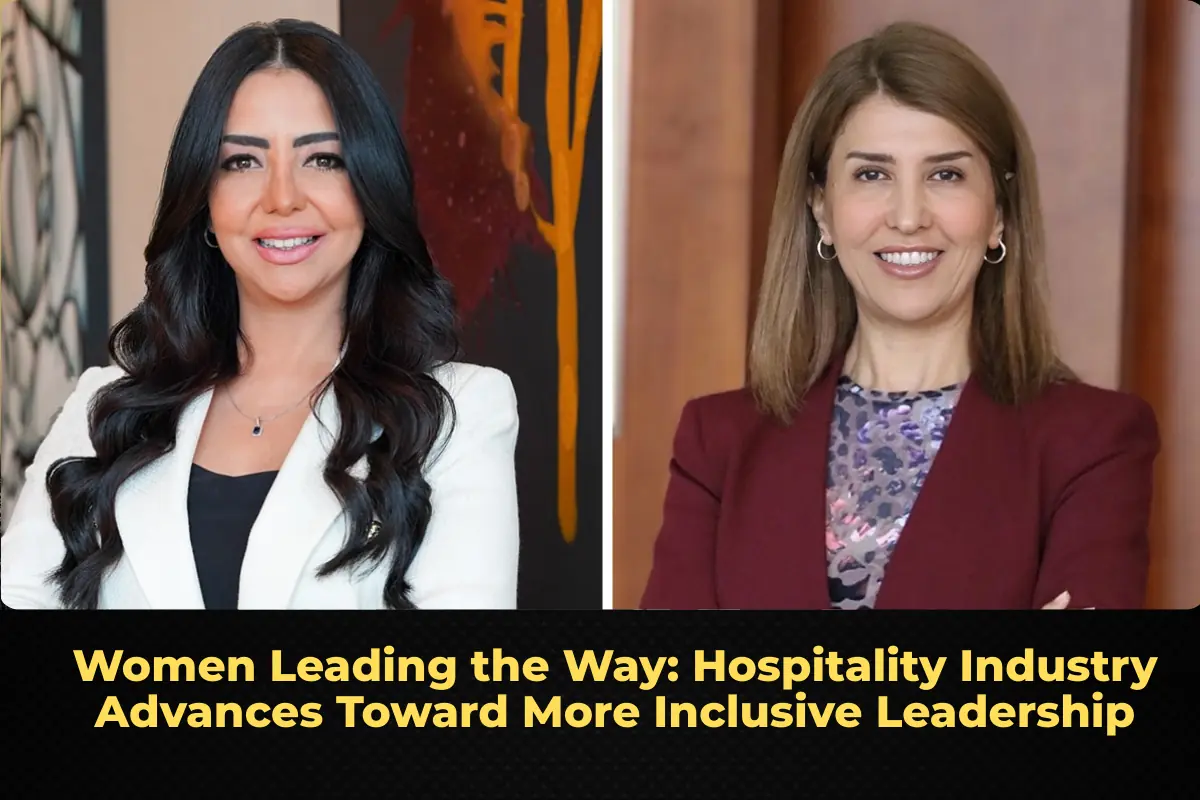
Women Leading the Way: Hospitality Industry Advances Toward More Inclusive Leadership
The global hospitality industry is undergoing an important transformation as organizations increasingly recognize the value of inclusive leadership and gender diversity in management positions. Across hotels, resorts, and hospitality groups, women leaders are playing a critical role in shaping business strategy, operational excellence, and workplace culture.
While the hospitality sector has traditionally employed a large number of women across operational roles, leadership positions were historically dominated by men. In recent years, however, industry leaders, organizations, and professional networks have made significant efforts to create more opportunities for women to rise into executive and decision-making roles.
This shift reflects a broader movement within the global business community to promote equality, empower women professionals, and build inclusive workplaces where leadership potential is recognized regardless of gender.
The Changing Landscape of Hospitality Leadership
The hospitality industry is one of the largest employers in the global service economy. From hotel operations and tourism management to culinary arts and guest relations, the sector provides employment opportunities across a wide range of professions.
Despite the strong presence of women within the workforce, leadership representation has historically lagged behind. Senior management roles such as general managers, corporate executives, and board members were often held predominantly by male professionals.
Over time, however, hospitality organizations have begun to recognize the strategic advantages of diverse leadership teams. Studies across multiple industries suggest that organizations with inclusive leadership structures tend to benefit from stronger innovation, improved decision-making, and more balanced workplace cultures.
As a result, many hospitality companies are actively investing in programs that support the advancement of women into leadership roles.
The Importance of Diversity and Inclusion
Diversity and inclusion have become key priorities for modern hospitality organizations. Hotels and tourism businesses serve guests from diverse cultural backgrounds, making it essential for leadership teams to reflect a broad range of perspectives and experiences.
Inclusive leadership helps organizations better understand the needs of both employees and guests. When leadership teams represent diverse voices, they are more likely to develop policies and strategies that resonate with a wider audience.
In hospitality environments where guest satisfaction and cultural understanding are critical to success, diversity within leadership can enhance the ability of organizations to deliver exceptional service experiences.
Encouraging gender diversity is therefore not only a matter of fairness but also a strategic advantage for companies operating in a global marketplace.
Women Making an Impact Across Hospitality Roles
Women professionals are contributing to the hospitality industry across numerous roles, from operational management to corporate leadership. Many women have successfully built careers as hotel general managers, brand directors, marketing leaders, and executive decision-makers.
The influence of women leaders can be seen in areas such as customer experience design, organizational culture development, and talent management strategies. Their leadership styles often emphasize collaboration, empathy, and team development, qualities that are particularly valuable in service-oriented industries.
In addition, women leaders frequently play important roles in mentoring younger professionals and encouraging future generations to pursue careers in hospitality management.
This mentorship helps strengthen the overall talent pipeline within the industry.
Breaking Barriers in Leadership Positions
Although progress has been made, women in hospitality leadership still face challenges when pursuing senior executive roles. Barriers such as unconscious bias, limited networking opportunities, and work-life balance pressures have historically affected career advancement.
Recognizing these challenges, many hospitality companies are implementing initiatives designed to support women’s professional growth. Leadership development programs, mentorship networks, and flexible workplace policies are helping create more equitable opportunities.
Corporate policies that encourage inclusive recruitment and promotion practices also play a key role in breaking down traditional barriers.
These efforts are gradually reshaping the leadership landscape within the hospitality sector.
The Role of Mentorship and Professional Development
Mentorship and professional development programs have become essential tools for empowering women within the hospitality industry. Experienced leaders who mentor emerging professionals help provide guidance, share insights, and support career growth.
Mentorship relationships often help younger professionals navigate complex career decisions while building confidence and leadership capabilities.
In addition to mentorship, professional training programs focusing on leadership skills, communication, and strategic management are helping women prepare for senior executive roles.
Industry conferences, networking platforms, and leadership forums also provide opportunities for women professionals to connect, exchange ideas, and build influential professional networks.
Creating Inclusive Workplace Cultures
Inclusive leadership is closely linked to workplace culture. Organizations that prioritize equality and diversity often foster environments where employees feel respected, valued, and empowered.
For hospitality companies, workplace culture directly influences service quality. Employees who feel supported by their organizations are more likely to deliver positive guest experiences and maintain high performance standards.
Leaders who promote inclusive cultures encourage collaboration, open communication, and mutual respect among team members. These qualities contribute to stronger organizational performance and improved employee engagement.
Inclusive cultures also support long-term talent retention, which is particularly important in the hospitality industry where employee turnover can be high.
Industry Initiatives Supporting Women Leaders
Various hospitality organizations and industry groups are actively working to support women in leadership through initiatives designed to promote gender equality.
These initiatives may include leadership scholarships, professional networking groups, mentorship programs, and recognition awards celebrating the achievements of women in hospitality.
Such programs help highlight the accomplishments of women professionals while inspiring others to pursue leadership careers within the industry.
Industry-wide collaboration between organizations, educational institutions, and professional associations is also helping create pathways for future leaders.
The Business Benefits of Gender-Balanced Leadership
Research across the global business landscape has consistently shown that diverse leadership teams can enhance organizational performance. Companies with gender-balanced leadership structures often demonstrate stronger innovation capabilities, improved employee engagement, and more balanced decision-making processes.
In hospitality, where customer experience is central to success, leadership teams that represent diverse perspectives are better equipped to understand and respond to guest expectations.
Gender-balanced leadership also sends a positive message to employees and stakeholders about an organization’s commitment to fairness and opportunity.
These factors contribute to stronger employer branding and greater ability to attract top talent.
Looking Ahead: The Future of Women in Hospitality Leadership
The future of the hospitality industry is likely to see continued progress toward gender equality and inclusive leadership. As more organizations commit to diversity initiatives, women professionals are gaining greater visibility and influence across executive roles.
Educational institutions offering hospitality management programs are also encouraging leadership development among female students, ensuring that the next generation of professionals enters the industry with strong skills and confidence.
Technology, globalization, and evolving workforce expectations are reshaping the hospitality landscape, creating new leadership opportunities for professionals from diverse backgrounds.
As companies continue to embrace inclusive leadership models, women will play an increasingly important role in guiding the industry’s future growth and innovation.
Conclusion
The growing presence of women in hospitality leadership reflects a broader transformation within the global service industry. Organizations are recognizing that diverse leadership teams bring valuable perspectives that strengthen both business performance and workplace culture.
Through mentorship, professional development initiatives, and inclusive workplace policies, the hospitality sector is creating new pathways for women to achieve leadership success.
As the industry continues to evolve, empowering women leaders will remain essential for building resilient organizations capable of delivering exceptional guest experiences and sustainable business growth.
The progress being made today signals a promising future in which inclusive leadership becomes a defining characteristic of the hospitality industry worldwide.