Zleep Hotel Hamburg Volkspark Opens with 204 Rooms, Expanding Brand’s Presence in Germany
Zleep Hotel Hamburg Volkspark opens with 204 rooms, marking the brand’s second location in Germany and expanding its European footprint.
 Pratyaksha Singh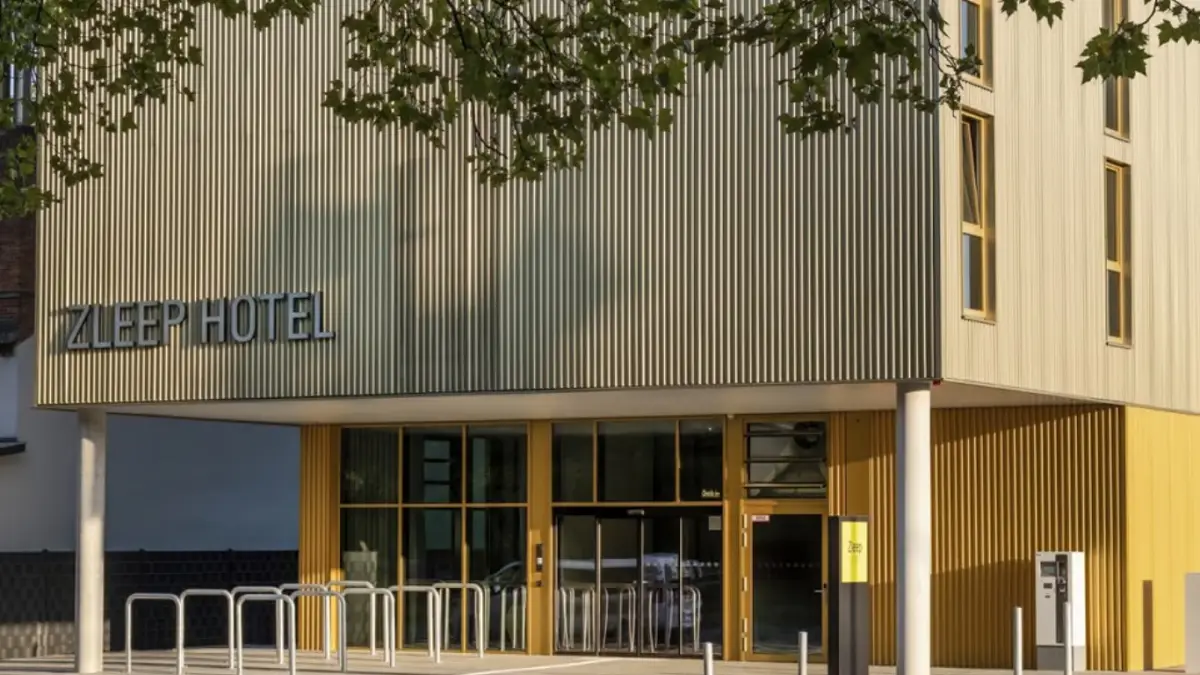
Zleep Hotel Hamburg Volkspark has officially opened in Hamburg with 204 rooms, marking the brand’s second property in Germany and strengthening its presence in one of Europe’s key urban hospitality markets. The opening adds to Zleep Hotels’ growing European portfolio and reinforces its expansion strategy in major cities.
204-room hotel opens near major event venues
The newly opened Zleep Hotel Hamburg Volkspark is located in proximity to major venues including Volksparkstadion and Barclays Arena, both within walking distance. The property offers 204 rooms designed around a functional, Scandinavian-inspired concept targeting value-conscious travelers.
The hotel’s location provides accessibility to key transport links, with the S-Bahn station Eidelstedt situated approximately ten minutes away on foot, offering direct connections to Hamburg’s city centre. Additionally, the A7 motorway can be accessed within three minutes by car, supporting both leisure and business travel demand.
The property also includes on-site parking facilities and bicycle storage, aligning with urban mobility trends and guest convenience requirements.
Design-led concept focuses on efficiency and guest experience
The hotel adopts a Danish design approach, featuring minimalist interiors, natural materials, and clean architectural lines. The design strategy focuses on delivering functional comfort while maintaining a distinct Nordic identity.
Guest-facing features include digital self-check-in terminals and a “Barception” concept, combining reception and bar services into a single integrated space. The lobby area has been designed as a flexible environment, serving both as a co-working space during the day and a social area in the evening.
Additional facilities include a separable meeting space, catering to small-scale business needs, and self-service luggage lockers, reflecting the brand’s emphasis on operational efficiency and convenience.
According to a company statement, the property is positioned to offer a balance of affordability, design, and functionality for modern urban travellers.
Expansion strengthens Zleep Hotels’ position in Hamburg
The opening of Zleep Hotel Hamburg Volkspark contributes to a broader presence of its parent company in Hamburg. With this addition, the group now operates seven hotels across different segments in the city, ranging from economy to upscale offerings.
This expansion reflects a strategic focus on increasing market share in Hamburg, a key European destination with strong demand driven by business travel, events, and tourism.
The property follows the brand’s first German opening in Frankfurt-Kelsterbach, indicating a targeted approach to scaling within the country’s major urban centres.
Sustainability and architecture integrated into development
The hotel has been developed with sustainability considerations and is set to receive certification under the Gold Standard of the German Sustainable Building Council (DGNB). This aligns with increasing industry emphasis on environmentally responsible construction and operations.
Architecturally, the building features a container-style design developed by Hamburg-based firm Kiskan Kaufmann Architekten, contributing to a distinct visual identity while supporting efficient construction practices.
The integration of sustainable design and modern architecture reflects evolving expectations within the hospitality sector, where environmental performance and design differentiation are becoming key factors in development.
European pipeline continues to expand
Zleep Hotels continues to grow its footprint across Europe, with existing properties in cities such as Madrid, Prague, Lausanne-Chavannes, and Zurich-Kloten. The Hamburg opening adds to this network, reinforcing the brand’s presence in established and emerging markets.
The company has also outlined future projects in Leipzig, Bern-West, and Lucerne-Emmenbrücke, indicating continued expansion in the European region. This pipeline supports the brand’s strategy of targeting urban locations with demand for affordable, design-led accommodation.
The Hamburg property represents a continuation of this approach, combining standardized operational efficiency with location-specific positioning to capture demand across multiple traveler segments.