Delhi Restaurants Speak a New Culinary Language With Wafu
Delhi restaurants explore Wafu cuisine, blending Japanese techniques with Indian flavors as chefs rethink menus and sourcing. Read the full story.
 Ekta Mathew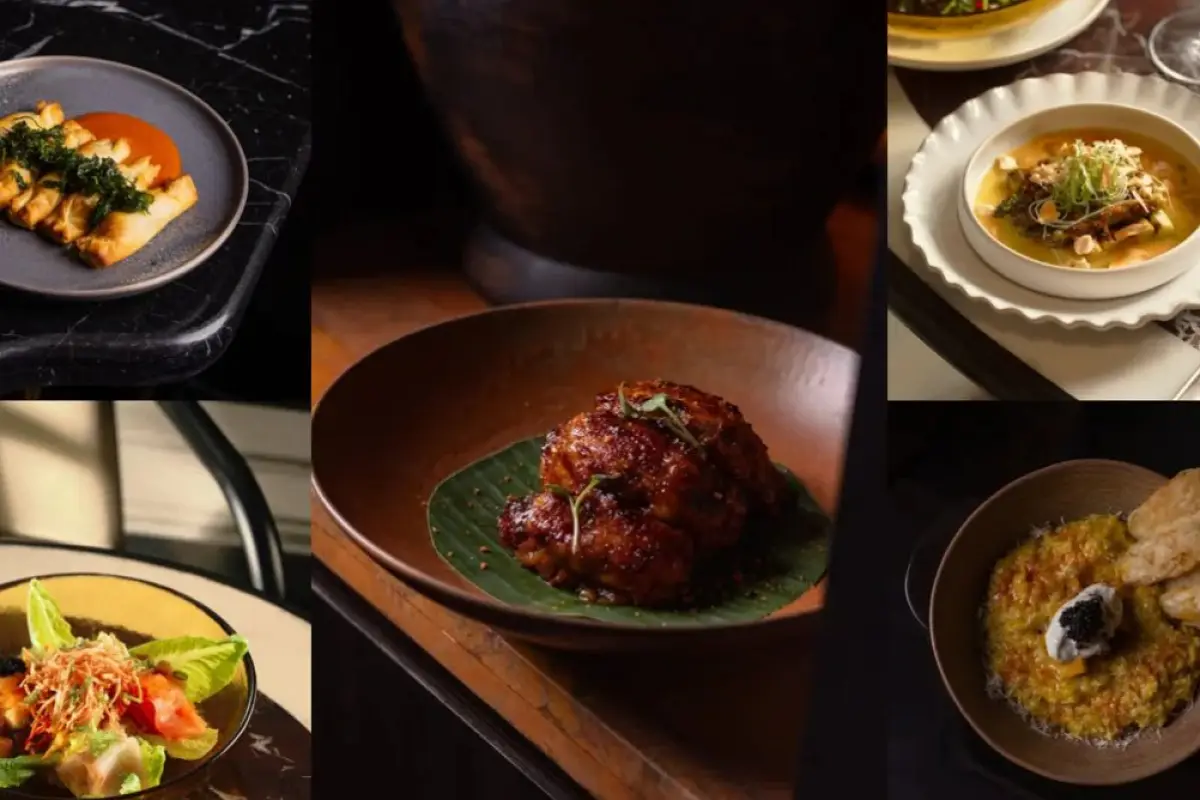
NEW DELHI, July 03, 2026 — Delhi restaurants increasingly turn to Wafu cuisine, a Japanese cooking approach that adapts local ingredients and tastes, as chefs respond to diners seeking lighter, technique-driven meals.
The shift appears across fine dining rooms and chef-led casual spaces, where Japanese methods now guide how Indian produce, grains and proteins reach the plate.
Delhi restaurants adopt Wafu cuisine techniques
Wafu cuisine, which translates to “Japanese-style,” focuses on applying Japanese techniques to non-Japanese ingredients. In Delhi, chefs use dashi-based broths with regional vegetables, slow fermentation for sauces and precise knife work on local fish and meats.
Rather than copying traditional Japanese dishes, kitchens reinterpret them to align with Indian sourcing and dining habits.
Why Wafu cuisine resonates with Delhi diners
Restaurant operators say diners now ask for food that feels refined without being heavy. Wafu cooking emphasizes balance, umami and clarity of flavor, which fits that demand.
The approach also allows chefs to reduce reliance on imported ingredients while maintaining a global sensibility.
Menus shift toward seasonality and restraint
Wafu-influenced menus highlight seasonal vegetables, short ingredient lists and restrained use of fats and spices. Cooking methods such as steaming, gentle grilling and curing replace heavier sauces.
Several Delhi chefs note that this style encourages closer relationships with farmers and fish suppliers.
Training kitchens for Japanese precision
Adopting Wafu cuisine requires changes behind the scenes. Kitchens invest in technique training, temperature control and fermentation practices that demand time and consistency.
Chefs say these disciplines raise overall kitchen standards, even beyond Japanese-inspired dishes.
Wafu cuisine shapes Delhi’s dining future
As diners become more informed, Delhi restaurants view Wafu cuisine as a framework rather than a trend. The style allows constant evolution without abandoning Indian identity.
Industry observers expect the approach to influence menu development across modern Indian and Asian restaurants in the capital.
More information about Indian cuisine and its regional diversity can be explored through Indian cuisine history and traditions.
Businesses monitoring hospitality expansion trends can also explore restaurant industry growth trends for 2026 to understand how regional food concepts are shaping dining markets.