Best Diner-Style Breakfasts at 5 American Restaurant Chains
The best diner-style breakfasts in America come from five restaurant chains that have kept the format alive through decades of changing food culture and morning routines.
 RUKAIYA KADIWAL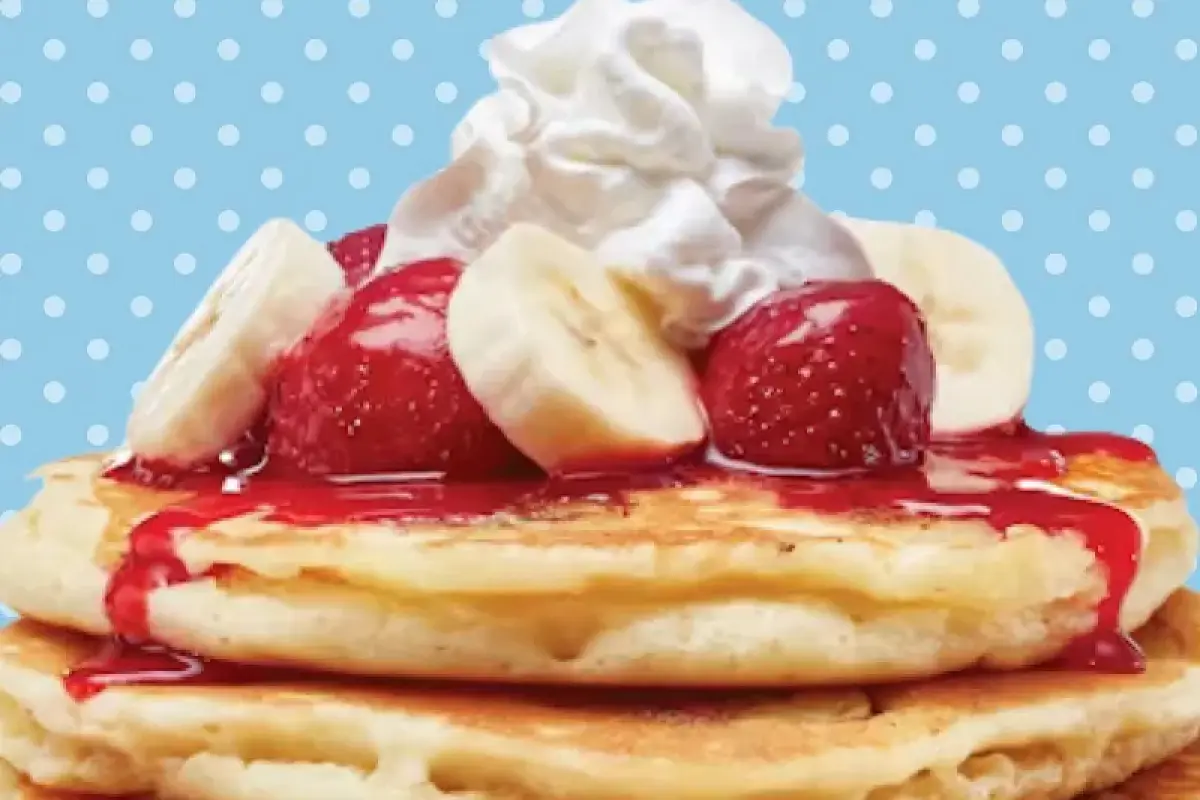
The order never changes. That is the first thing worth knowing about the kind of person who eats breakfast at Waffle House. They may look at the menu. They always look at the menu. But somewhere between the laminated pages and the moment the server arrives, the decision has already been made, the same decision it was last time and the time before that, scrambled eggs, hash browns smothered and covered, bacon, a plain waffle, white toast. The deviation never comes. The comfort is partly in the food and partly in the certainty, the knowledge that this particular morning, at least, will taste exactly like it is supposed to.
Best Diner-Style Breakfasts Are Still Being Served at These Five Chains
The American diner reached its peak cultural moment somewhere between the 1950s and the early 2000s, a period when the format was so embedded in the national routine that its characteristics, the counter stools, the laminated menus, the bottomless coffee, the breakfast platters that arrived on oval plates with everything touching, felt less like a style of restaurant than a natural condition of morning life. The best diner-style breakfasts have not disappeared with the peak. They have migrated, largely, into a handful of restaurant chains that have kept the essential experience alive while the independent diners that defined the category have closed one by one across the decades, replaced by fast casual formats and grab-and-go concepts that serve a different kind of morning appetite.
What those chains offer, and what diners who seek them out are looking for, is not simply food. It is a specific quality of experience, the unhurried breakfast, the large portion, the predictability of a menu that does not change with the season or the chef, the particular social contract of a restaurant where sitting for a long time over coffee is not merely permitted but expected. Five chains have earned the strongest reputation for delivering that experience consistently, and the reasons they have done so reveal something worth paying attention to about what Americans actually want from a morning meal.
Denny's and the Breakfast That Entered Pop Culture
Denny's has been serving breakfast long enough that some of its dishes have moved beyond the menu into cultural reference. The Grand Slam, a combination of pancakes, eggs, bacon, and sausage, is among the most recognized breakfast configurations in American chain dining, and the Moons Over My Hammy, a ham and scrambled egg sandwich with Swiss and American cheeses on grilled artisan bread, carries the kind of name that lodges in memory in a way that most chain menu items do not. The restaurant's old-school diner experience, its booths and its 24-hour availability and its menu that treats the full breakfast as a sufficient reason to visit at any hour, has made it a chain that operates as a cultural touchstone as much as a restaurant.
What Denny's offers that is harder to quantify is permission. The permission to order breakfast at midnight, to sit in a booth for as long as the coffee holds out, to choose something from a menu that does not require explanation or research or the anxious consultation of a phone. There is a democratic quality to the Denny's experience that the restaurant has maintained through decades of changing restaurant fashion, and the diners who return to it are returning, in part, to that quality as much as to the pancakes themselves.
Waffle House and the Order That Never Changes
Waffle House operates on a principle that most restaurant groups spend considerable energy resisting: the idea that consistency is the product. The chain's Southern diner character, its open kitchens, its visible griddles, its counter seating, its menu of massive portions at reasonable prices, has been replicated across thousands of locations without significant variation. The Sirloin and Eggs Breakfast, with its USDA Choice Sirloin Steak, two scrambled eggs, toast, and a choice of grits, hash browns, or sliced tomatoes, describes a meal whose generosity is built into the price rather than presented as an upgrade.
The Reddit threads devoted to Waffle House orders reveal something sociologically interesting about what the chain has built. Diners who describe their order, the specific combination of protein and sides and preparation style that they have settled on across repeated visits, speak about it with the same affection they might apply to a family recipe. "I am convinced everyone has their Waffle House order and never deviate from it," wrote one regular, describing the All Star with the specificity of someone reciting something they have said many times before. The Waffle House order is not just a meal. It is, for a certain kind of customer, a small and reliable piece of personal identity.
IHOP and the Pancake as an Occasion
IHOP has built its identity around a single category of food in a way that few chains have managed to sustain across decades without the format becoming limiting. The buttermilk pancake, soft and fluffy in the way that pancakes at home rarely achieve without deliberate effort, is the anchor around which the entire menu orbits. The flavour combinations that branch out from it, Cupcake, Strawberry Banana, New York Cheesecake, among others, treat the pancake not as a breakfast staple but as an occasion, something that can be dressed for different moods and appetites.
For guests who are not drawn to pancakes, the omelets and egg dishes have built their own following, served with the same attentiveness to portion size that defines the broader chain diner category. What IHOP offers that some of its competitors do not is the sense that breakfast here is a meal rather than a routine, that the choice of topping or combination is a small act of pleasure rather than simply a nutritional transaction. That positioning has sustained the chain through the period in which the independent diner has declined, because it offers something the grab-and-go formats that replaced many diners cannot replicate.
Black Bear Diner and the Cabin That Feeds You Until You Stop
Black Bear Diner operates in the tradition of the American roadside restaurant that treats portion size as a form of hospitality, a philosophy made explicit in the written mission that appears on the paper menus: that no guest should leave hungry. The rustic, cabin-comfort aesthetic, the taxidermy and the dark wood and the sense of having arrived somewhere that has been feeding people for a long time, frames a breakfast menu built around the homestyle platter, the kind of meal that requires both hands to carry and both hours to finish.
Customer accounts of Black Bear Diner meals consistently return to the same word: huge. "They give you a ton of food," one diner noted, as though reporting something that still surprised them after multiple visits. That surprise, the genuine experience of receiving more than expected, is a specific kind of hospitality that the restaurant format makes possible and that most other formats have moved away from. A breakfast platter at Black Bear Diner is not sized for a calorie target. It is sized for an appetite, and the assumption that the appetite is real and substantial is itself a form of welcome.
Huddle House and the Saturday Morning That Stayed
Huddle House occupies a particular position in the American diner landscape, a chain whose identity is so thoroughly regional and community-specific that its regulars often describe it in terms that belong to the independent diner rather than the chain format. The Big House Breakfast, with its three farm-fresh eggs, crispy hash browns or fruit, bacon or sausage, and a biscuit with sausage gravy or toast, is the kind of meal that a specific customer orders every Saturday morning without consulting the menu. The MVP, the Most Valuable Platter, extends the same philosophy to its most complete expression, a single order that contains applewood-smoked bacon, country sausage or turkey sausage, two eggs, hash browns or fruit, a waffle or pancake, and a choice of grits with toast or biscuit with sausage gravy.
The emotional register of Huddle House memories distinguishes it from the other chains on this list. "I grew up eating at our local Huddle House every Saturday morning," one Redditor wrote, in a sentence that is not really about food at all. It is about the accumulation of a particular morning over many years, the ritual of showing up to the same booth with the same people and ordering the same thing because the sameness is not monotony but continuity. Another described it as similar to what other parts of the country consider a diner, an acknowledgment that Huddle House fills a specific geographic and cultural role, particularly in the South, that the diner filled elsewhere in America in an earlier era.
What the Chain Diner Preserves That the Market Has Largely Abandoned
The five chains that have earned the strongest reputation for diner-style breakfast share a set of characteristics that the broader restaurant market has moved steadily away from. Large portions at accessible prices. Menus that do not change frequently and do not require explanation. A pace of service that accommodates a long morning rather than optimising for table turns. An atmosphere that signals welcome to anyone who arrives rather than to a curated demographic. These qualities are not accidents of history. They are commitments, sustained against the pressure of a food culture that has spent two decades optimising for the opposite of each of them.
The diners who seek out these chains are not, in most cases, seeking nostalgia specifically. They are seeking the particular quality of experience that the diner format provides and that most other breakfast formats do not. The hash brown prepared on a flat-top that has been producing hash browns for decades. The coffee that arrives before it is asked for. The booth that will hold as many people as need to fit into it. The understanding that the morning is not something to be processed efficiently but something to be sat in, with food that is worth the sitting.
A Breakfast Worth Returning To
There is a version of the American morning that has been losing its institutions for years, the counters and the pie cases and the bottomless coffee and the server who knows the order before it is given. The five chains that have maintained the diner-style breakfast experience have done so not by reinventing the format but by respecting what the format was, a meal designed for the kind of morning where nothing needs to be rushed, and a room designed for the kind of people who understand that. Somewhere right now, someone is looking at the Waffle House menu with full knowledge of what they are going to order. The menu is a formality. The breakfast is a certainty. And the certainty is the point.
Related reading: Restaurants in the Algarve face a coming shake-out