Car Crashes Into Chili’s Restaurant in Martinsville Causing Structural Damage
A vehicle crashed into a Chili’s restaurant in Martinsville, causing structural damage and prompting emergency response, with authorities investigating the incident.
 Prajakta Sanjay Warwadkar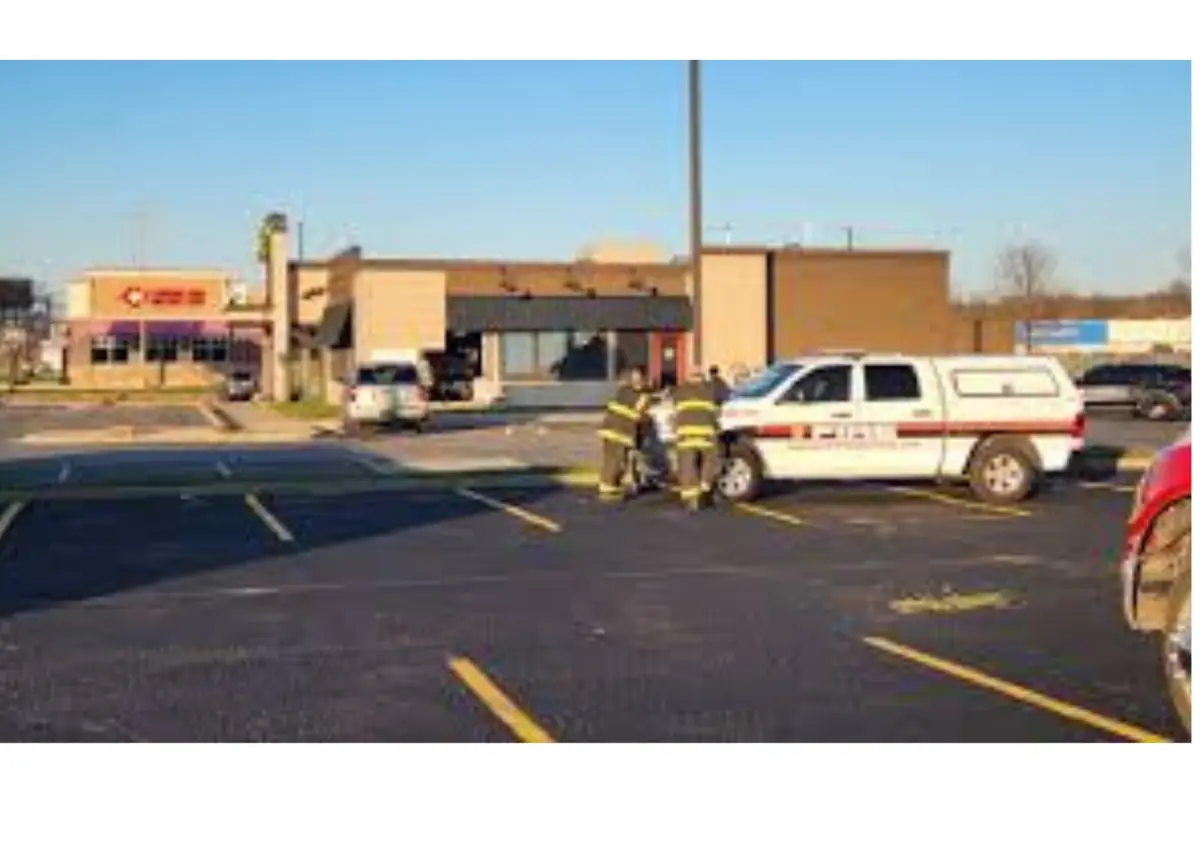
Car Crashes Into Chili’s Restaurant in Martinsville Causing Structural Damage
A vehicle crashed into a Chili’s restaurant in Martinsville, Indiana, on March 19, 2026, causing significant structural damage and prompting an emergency response, according to local authorities. The incident occurred during operational hours, raising concerns about customer and staff safety while highlighting ongoing risks faced by hospitality establishments.
Emergency services responded quickly to the scene after reports of a car colliding with the restaurant’s exterior. Initial assessments indicated damage to the building’s front section, including windows and structural elements. Authorities have not yet confirmed the cause of the crash, and investigations are ongoing.
Emergency Response and Immediate Impact
First responders, including police, fire personnel, and medical teams, arrived promptly following the incident to secure the area and assess potential injuries. While details regarding injuries have not been fully disclosed, officials prioritized ensuring the safety of customers and staff present at the time.
The affected section of the restaurant was evacuated as a precaution, and emergency crews worked to stabilize the structure and prevent further hazards. Barriers were placed around the damaged area to restrict access while assessments continued.
Such incidents typically require coordinated efforts between emergency services and property management to ensure both immediate safety and longer-term structural integrity.
Extent of Structural Damage
Preliminary reports indicate that the crash caused visible damage to the restaurant’s façade, including shattered glass, compromised walls, and potential impact to internal fixtures. Structural engineers are expected to evaluate the building to determine the extent of repairs required before operations can fully resume.
Damage to restaurant infrastructure can disrupt operations significantly, particularly when key areas such as entrances, dining spaces, or service zones are affected. The financial implications may include repair costs, temporary closure, and potential loss of business.
Restaurant operators often rely on insurance coverage to manage such unexpected events, though the process of restoration can take time depending on the severity of the damage.
Investigation Into Cause of Crash
Local authorities have launched an investigation to determine the circumstances that led to the vehicle crashing into the restaurant. Factors under consideration may include driver error, mechanical failure, or external conditions that could have contributed to the incident.
Officials have not yet released information regarding the driver involved or whether any charges will be filed. Witness statements and surveillance footage are likely to play a role in reconstructing the sequence of events.
Determining the cause is essential not only for legal and insurance purposes but also for identifying potential preventive measures in the future.
Safety Concerns in the Hospitality Sector
Incidents involving vehicles colliding with commercial establishments, including restaurants, highlight broader safety concerns within the hospitality industry. Many restaurants are located in high-traffic areas, making them vulnerable to such accidents.
Operators often implement safety measures such as reinforced barriers, bollards, and strategic layout designs to reduce risks. However, not all locations are equipped with these protections, particularly older establishments or those in densely built environments.
The Martinsville incident may prompt discussions around enhanced safety protocols, especially in locations with direct proximity to parking areas or roadways.
Operational Disruptions and Business Impact
The crash is expected to disrupt normal operations at the affected Chili’s location, at least temporarily. Depending on the extent of the damage, the restaurant may need to partially or fully close while repairs are carried out.
Temporary closures can affect revenue, staffing schedules, and customer engagement. Restaurants often work to resume operations as quickly as possible, sometimes reopening unaffected sections while repairs continue in damaged areas.
Maintaining communication with customers during such disruptions is crucial for preserving brand trust and minimizing long-term impact.
Community and Customer Response
Local residents and customers expressed concern following the incident, particularly regarding the safety of those inside the restaurant at the time of the crash. Community response often plays a role in supporting affected businesses, especially when incidents result in temporary closures.
Restaurants frequently rely on loyal customer bases to recover from unexpected disruptions, with community engagement helping to restore normal operations once the establishment reopens.
Such incidents can also raise awareness among customers about safety considerations when visiting busy dining locations.
Insurance and Liability Considerations
Events involving property damage and potential injuries typically involve insurance claims and liability assessments. Both the restaurant operator and the driver may be subject to investigation by insurers to determine responsibility and coverage.
Insurance processes can include property damage claims, business interruption coverage, and liability assessments if injuries occurred. These processes are essential in facilitating repairs and compensating affected parties.
Efficient handling of insurance matters can significantly influence how quickly a restaurant recovers from such incidents.
Broader Industry Implications
The Martinsville crash reflects a broader issue faced by the hospitality sector, where external factors beyond operational control can impact business continuity. From accidents to natural events, restaurants must be prepared to respond quickly and effectively.
Risk management strategies, including safety infrastructure and contingency planning, are becoming increasingly important for operators seeking to mitigate potential disruptions.
Industry stakeholders continue to emphasize the importance of proactive measures to enhance safety and resilience across restaurant locations.
Next Steps and Ongoing Developments
Authorities are expected to release further details as the investigation progresses, including findings related to the cause of the crash and any potential legal actions. The timeline for repairs and reopening of the restaurant will depend on the outcome of structural assessments.
In the meantime, the focus remains on ensuring safety, assessing damage, and planning recovery efforts. The incident serves as a reminder of the unpredictable challenges faced by the hospitality industry.
The situation remains under investigation as officials continue to assess the cause and impact of the crash on the Martinsville restaurant.