Chinese Restaurant Food Safety Violations Close Salem Buffet
Chinese restaurant food safety violations at Sunny's in Salem led to closure after critical issues with food temperatures and preparation practices were found.
 RUKAIYA KADIWAL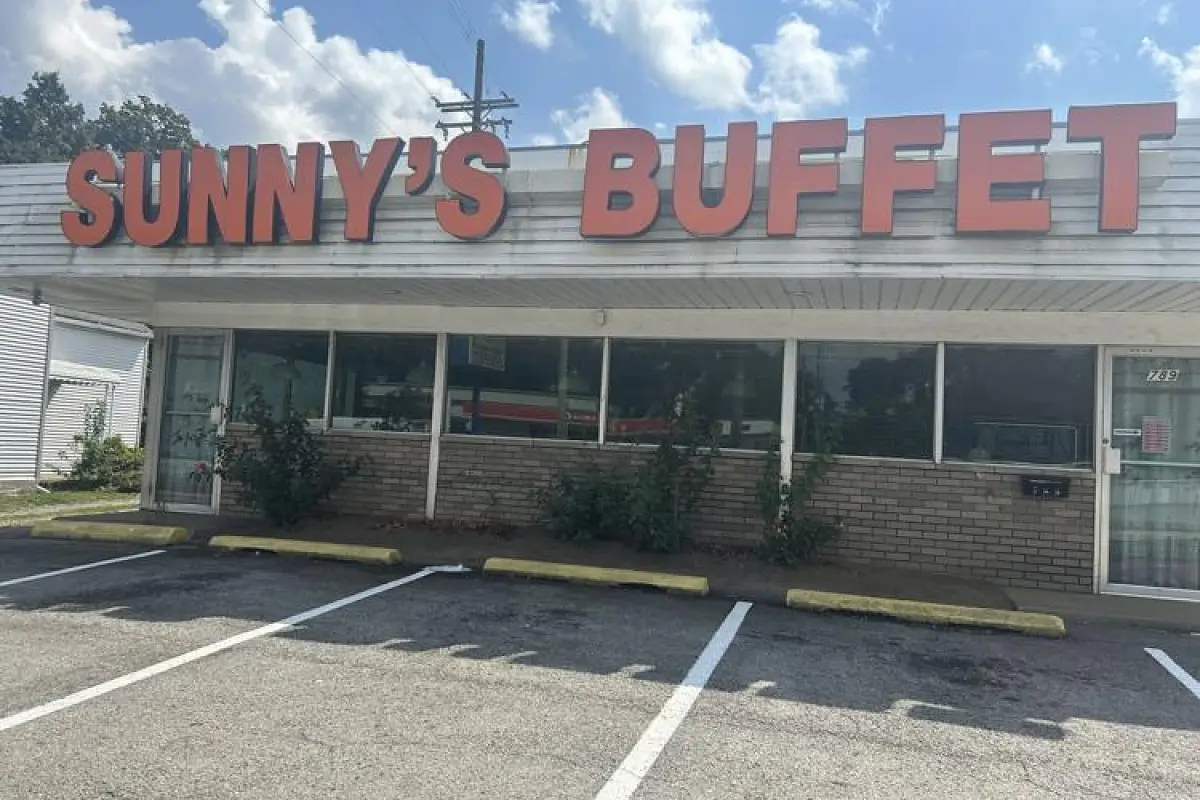
The parking lot was empty on a morning when it should not have been. A closed sign is never simply a sign at a restaurant that has been feeding a neighborhood for years. It is a gap in a routine, a missing option on a Tuesday lunch, a table that will sit unused until whatever went wrong gets put right. At Sunny's Chinese Restaurant in Salem, that gap appeared in late August, when a routine health inspection found something the restaurant could not remain open to work around.
Chinese Restaurant Food Safety Violations Trigger Salem Closure
The Salem City Health District conducted a routine inspection of Sunny's Chinese Restaurant on August 24, 2026. What the inspection found was serious enough to close the restaurant immediately. The health district identified critical food safety violations, specifically food being kept at improper temperatures and concerns with the restaurant's preparation practices. A notice was posted on the restaurant's door requiring it to remain closed until the health department determined that proper food safety measures were in place and violations had been corrected.
The Salem City Health District confirmed the closure in a Friday release, describing the violations as critical and stating that the restaurant must demonstrate compliance before it can reopen. The health district also noted plans to continue monitoring the restaurant as it works through the compliance process.
Why Routine Inspections Exist and What They Actually Catch
The inspection that closed Sunny's was not triggered by a complaint or a reported illness. It was a routine visit, the kind of unannounced assessment that public health systems conduct across food service establishments on a regular cycle. That distinction matters. The health district found these violations not because something had already gone wrong for a customer, but because the inspection system is designed to catch risks before they reach the people sitting down to eat.
The Salem City Health District's language in its public statement reflected that purpose directly. "Routine food safety inspections are an essential part of ensuring that food service establishments are following proper food handling, storage, and preparation practices," the district stated. The framing is not accusatory but structural. Inspections exist because the conditions that produce foodborne illness often develop gradually and invisibly, in the gap between a temperature reading that is acceptable and one that is not, in a preparation practice that drifted from protocol over time without anyone noticing the drift.
What the Violations Specifically Involved
The two categories of violation identified during the August 24 inspection were improper food temperatures and issues with preparation practices. Improper food temperatures represent one of the most commonly cited critical violations in food safety inspections across the United States, and for good reason. Bacterial growth in food accelerates within the temperature danger zone, roughly between 40 and 140 degrees Fahrenheit, and food held within that range for extended periods creates genuine health risk regardless of how it was prepared or how long the restaurant has been in business without incident.
Preparation practice violations cover a broader range of concerns, from cross-contamination risks to improper thawing procedures to inadequate handwashing protocols. The specific nature of the preparation issues at Sunny's was not detailed in the health district's public statement, but the characterization of both violations as critical, rather than non-critical, indicates that the health district assessed them as posing a direct risk rather than a technical or administrative shortcoming.
What Closure Means for a Neighborhood Restaurant
A closed Chinese restaurant buffet in a neighborhood that relies on it is a different kind of absence than the closure of a destination dining establishment. The customers who stop in on a weekday afternoon are not there for an occasion. They are there because it is nearby, familiar, and consistent, because the routine of eating somewhere local carries its own quiet value that is easy to underestimate until it is briefly unavailable.
The closure is temporary in intent. The health district's notice requires Sunny's to remain closed until compliance is demonstrated, not permanently. The path back to operating is through the compliance process, correcting the identified violations, passing a follow-up inspection, and resuming under conditions the health district considers safe. That path is well-defined, even if the timeline it requires depends on how quickly and completely the violations can be addressed.
The Broader Context of Food Safety Enforcement
Health inspection closures of this kind are not unusual across the American food service industry, though they rarely receive sustained attention unless they involve a well-known brand or a confirmed illness outbreak. For individual restaurants operating at the neighborhood level, a critical violation closure is a significant event with real operational and reputational consequences, even when the restaurant ultimately returns to compliance and reopens.
The Salem City Health District's decision to post a public notice and issue a public statement reflects standard practice in food safety enforcement, one designed to ensure that members of the community who may have visited the restaurant recently are aware of the situation and that the closure itself is transparent rather than administrative. Public health communication of this kind serves a legitimate function even when, as in this case, no illness had yet been reported in connection with the violations found.
What the Compliance Process Looks Like
For a restaurant closed for critical food safety violations, the return to operation follows a structured path. The violations must be corrected to the health district's satisfaction, typically through a combination of immediate remediation, equipment checks, temperature log adjustments, and staff retraining where preparation practices were the concern. A follow-up inspection confirms the corrections. If the health district is satisfied, the closure notice comes down and the restaurant can reopen.
The Salem City Health District indicated it would continue monitoring Sunny's as it moves through this process, a statement that signals ongoing oversight rather than a single follow-up visit. For a restaurant that has received a critical violation closure, that continued attention is part of demonstrating that the compliance achieved is durable rather than temporary, that what was corrected stays corrected rather than drifting back toward the conditions that produced the original violations.
A Sign on the Door That Tells Only Part of the Story
A health inspection closure notice posted on a restaurant door is the most visible moment in a process that operates largely out of public view. The inspectors who visit, the temperatures they measure, the practices they observe, and the decisions they make about what rises to the level of a critical violation, all of that happens before the notice appears. What the sign communicates to someone walking past is that something went wrong and the restaurant is not currently permitted to serve food. What it does not communicate is what the restaurant looked like every day before that inspection, or what it will look like when it reopens, or whether the people responsible for it are working urgently to correct what was found. An empty parking lot is a fact. What it means for the restaurant's future is still being determined, one corrected violation at a time.
Related reading: Coastie Cove restaurant and hotel rise from Warrenton closure