Chuck E. Cheese to Enter UK Market as Family Dining Chains Expand Internationally
Chuck E. Cheese is set to enter the UK market, marking a major international expansion as family-focused dining and entertainment concepts gain momentum in 2026.
 Prajakta Sanjay Warwadkar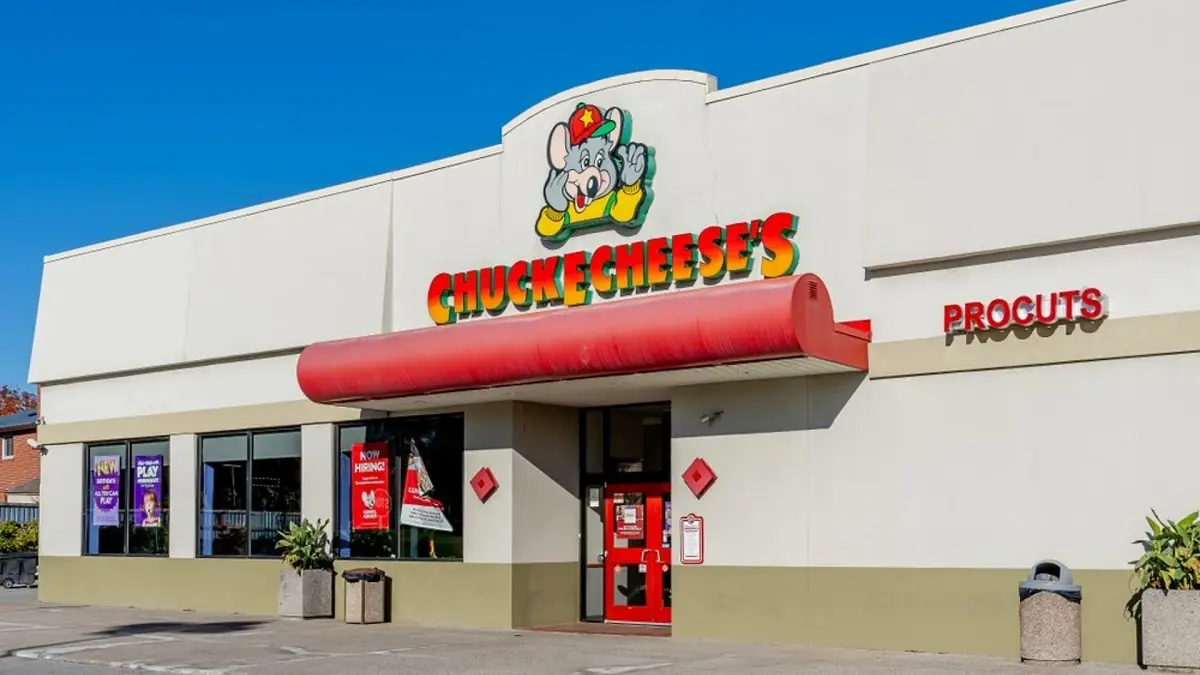
Chuck E. Cheese to Enter UK Market as Family Dining Chains Expand Internationally
Chuck E. Cheese, the U.S.-based family entertainment and dining chain, is set to launch in the United Kingdom in 2026, marking its entry into a new international market as demand for experiential, family-focused dining continues to grow across Europe.
The expansion represents a strategic move by the brand to tap into the UK’s evolving hospitality landscape, where consumers are increasingly seeking integrated dining and entertainment experiences. Known for combining casual dining with arcade games and interactive attractions, Chuck E. Cheese aims to introduce its signature concept to a market that has seen rising interest in experiential venues.
Expanding a Hybrid Dining and Entertainment Model
Chuck E. Cheese has built its identity around a hybrid model that merges food service with entertainment, targeting families and younger audiences. Its venues typically feature a mix of pizza-focused menus, gaming zones, and live entertainment elements designed to create an immersive experience.
The brand’s UK entry reflects confidence in the scalability of this model beyond North America, particularly in urban centers where demand for family-oriented leisure activities is increasing. The concept aligns with broader industry trends that emphasize engagement, interactivity, and value-added experiences.
By offering a combination of dining and entertainment under one roof, the company aims to differentiate itself from traditional casual dining establishments.
Strategic Entry into the UK Market
The United Kingdom presents a competitive yet opportunity-rich environment for international restaurant brands. With a diverse population and a well-developed dining culture, the market has become an attractive destination for global expansion.
Chuck E. Cheese’s entry is expected to focus on key metropolitan areas, where footfall and demand for family entertainment are highest. The brand will need to adapt its offerings to local preferences, including menu customization and pricing strategies, to ensure relevance and competitiveness.
The move also comes at a time when UK consumers are increasingly seeking value-driven experiences, making the combination of dining and entertainment particularly appealing.
Rising Demand for Experiential Dining
The expansion aligns with a broader shift in consumer behavior, where dining is no longer viewed solely as a functional activity but as part of a larger entertainment experience. Families, in particular, are looking for venues that provide activities for children alongside meal options.
This trend has led to the growth of experiential dining formats, including themed restaurants, interactive concepts, and activity-based venues. Chuck E. Cheese’s model fits squarely within this trend, offering a comprehensive experience that appeals to multiple age groups.
Operators across the industry are increasingly investing in such concepts to attract and retain customers in a competitive market.
Adapting to Local Consumer Preferences
Entering a new market requires careful adaptation to local tastes and cultural expectations. For Chuck E. Cheese, this may involve modifying its menu to include regionally preferred items, as well as tailoring its entertainment offerings to align with UK audiences.
Pricing strategies will also play a crucial role, particularly in a market where consumers are sensitive to value amid ongoing economic pressures. Balancing affordability with the delivery of a premium experience will be key to the brand’s success.
Localization efforts are expected to be central to the company’s expansion strategy.
Competitive Landscape in the UK
The UK hospitality sector is highly competitive, with a wide range of dining and entertainment options available to consumers. While Chuck E. Cheese brings a unique concept, it will face competition from both traditional restaurants and emerging experiential venues.
Family entertainment centers, bowling alleys, and themed dining establishments already cater to similar demographics, making differentiation essential. The brand’s established reputation and proven model may provide an advantage, but execution in the local context will be critical.
Success will depend on the company’s ability to deliver a consistent and engaging experience that resonates with UK consumers.
Operational Considerations
Launching in a new market involves several operational challenges, including site selection, staffing, supply chain management, and regulatory compliance. For a concept that combines food service with entertainment, these complexities are further amplified.
Ensuring high standards of safety, quality, and service across both dining and gaming areas will be essential. Staff training will need to address both hospitality and customer engagement aspects, reflecting the dual nature of the business model.
Operational efficiency will play a significant role in maintaining profitability and customer satisfaction.
Impact on the Hospitality Industry
Chuck E. Cheese’s entry into the UK is likely to influence the broader hospitality landscape by reinforcing the viability of experiential dining concepts. As more consumers seek integrated experiences, other operators may follow suit, investing in similar formats.
The move could also stimulate innovation within the sector, encouraging existing businesses to enhance their offerings and explore new ways to engage customers. Increased competition may drive improvements in service quality and overall customer experience.
The expansion highlights the ongoing evolution of the restaurant industry toward more dynamic and diversified models.
Future Growth Prospects
If successful, the UK launch could serve as a foundation for further expansion across Europe. The brand may explore additional locations and partnerships to strengthen its presence in the region.
Long-term growth will depend on the company’s ability to adapt to market conditions, maintain operational consistency, and respond to consumer feedback. Continuous innovation in both dining and entertainment offerings will be essential to sustaining interest.
The UK market could become a key component of the brand’s international growth strategy.
Conclusion
Chuck E. Cheese’s planned entry into the UK in 2026 underscores the growing importance of experiential dining, as the brand seeks to establish its family-focused entertainment model in a competitive and evolving hospitality market.