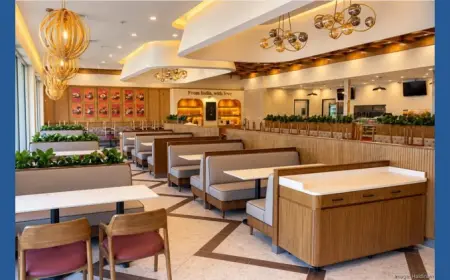
Desi-Inspired Restaurant Project in Tamil Nadu Showcases Regional Design-Led Dining Experience
A new desi-inspired restaurant project in Tamil Nadu highlights regional design elements and immersive dining, blending traditional aesthetics with modern hospitality concepts.
 Prajakta Sanjay Warwadkar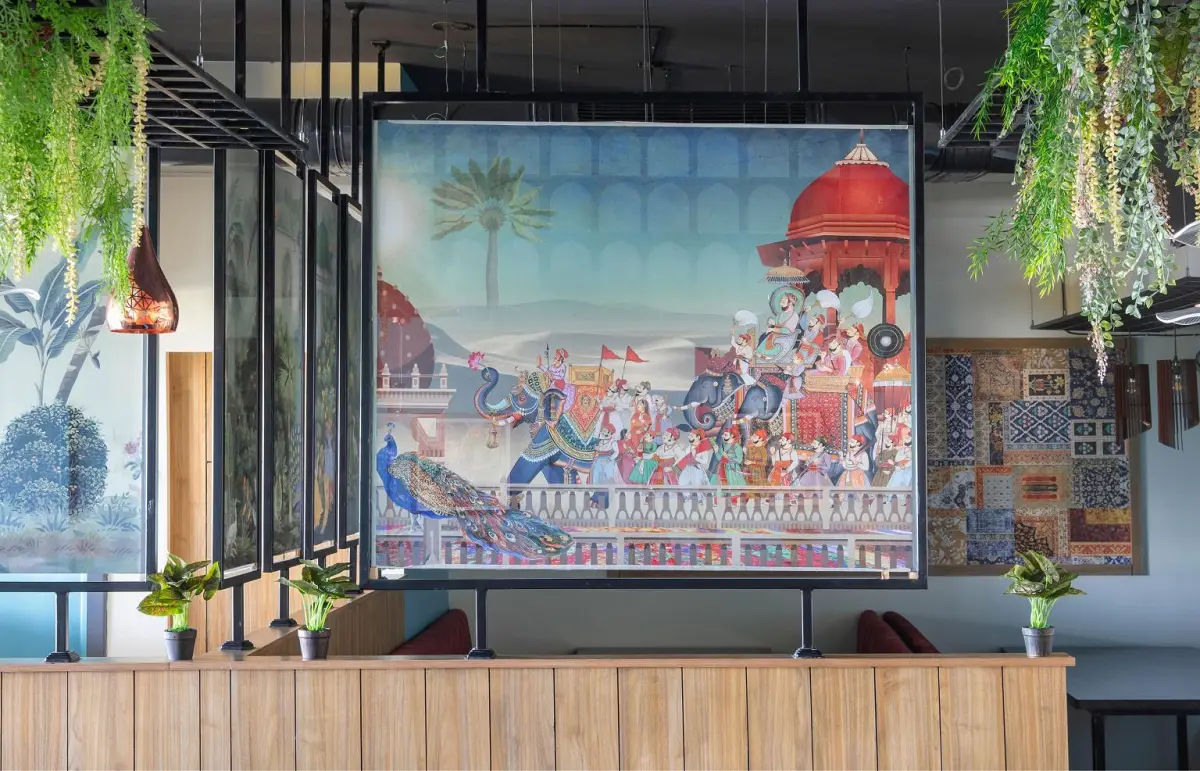
A newly completed desi-inspired restaurant project in Tamil Nadu is drawing attention for its design-led approach that integrates regional cultural elements into a contemporary dining environment. The project reflects a growing trend in India’s foodservice sector, where interior design and storytelling are increasingly central to customer engagement and brand positioning.
Located in Tamil Nadu, the restaurant has been conceptualized to deliver an immersive experience rooted in local identity, combining traditional motifs with modern spatial planning. The project emphasizes the role of architecture and interiors in shaping dining behavior, aligning with evolving consumer expectations for experiential hospitality.
Design Concept and Cultural Integration
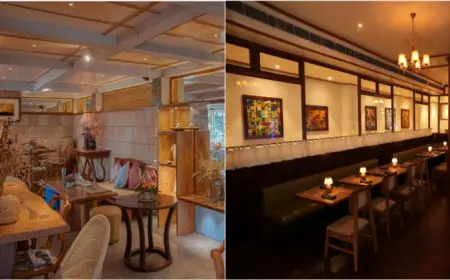
The restaurant’s core concept revolves around a “desi-inspired” theme, incorporating vernacular design language and regional aesthetics into its layout and visual identity. Elements such as traditional materials, handcrafted finishes, and locally influenced décor have been integrated to create a space that reflects cultural familiarity while maintaining contemporary appeal.
Designers have focused on creating a narrative-driven environment, where each section of the restaurant contributes to an overall storytelling approach. This includes the use of textures, patterns, and architectural details that resonate with local traditions, reinforcing a sense of place within the dining space.
The integration of cultural references into the design is intended to enhance customer engagement, offering more than just a functional dining setting and positioning the restaurant as an experience-oriented destination.
Spatial Planning and Layout Strategy
The layout of the restaurant has been structured to optimize both operational efficiency and customer flow, balancing seating arrangements with visual openness. Zoning within the space allows for varied dining experiences, accommodating different group sizes and preferences while maintaining coherence in design.
Attention has been given to circulation patterns, ensuring smooth movement for both staff and guests. The arrangement of seating, service areas, and entry points reflects a practical approach to restaurant operations while aligning with the overarching design theme.
Lighting plays a significant role in defining the ambience, with a combination of natural and artificial sources used to highlight key design features and create a warm, inviting atmosphere. The interplay of light and material contributes to the overall sensory experience.
Material Selection and Interior Elements
The project makes extensive use of materials that are associated with traditional Indian architecture, adapted for modern use. Natural finishes, earthy tones, and tactile surfaces are prominent throughout the space, reinforcing the desi-inspired theme.
Furniture and fixtures have been selected to complement the design narrative, with an emphasis on durability and aesthetic consistency. Custom elements, including seating and decorative installations, contribute to the uniqueness of the space while supporting functional requirements.
Wall treatments and decorative accents further enhance the visual identity of the restaurant, incorporating patterns and motifs that reflect regional influences. These elements collectively create a cohesive interior environment that aligns with the concept.
Role of Design in Customer Experience
The project underscores the increasing importance of design in shaping customer perception and behavior within the restaurant industry. As competition intensifies, operators are leveraging interior design as a strategic tool to differentiate their offerings and attract repeat visits.
In this case, the desi-inspired approach aims to evoke familiarity and nostalgia while delivering a modern dining experience. The balance between tradition and contemporary design is intended to appeal to a broad customer base, including both local patrons and visitors.
Visual appeal also plays a role in digital engagement, as aesthetically distinctive spaces are more likely to be shared on social media platforms. This aligns with broader industry trends where design contributes to organic marketing and brand visibility.
Industry Context and Emerging Trends
The Tamil Nadu project reflects a wider shift in India’s restaurant sector toward concept-driven dining environments. Operators are increasingly investing in thematic interiors and experiential formats to meet changing consumer expectations.
This trend is particularly evident in urban and semi-urban markets, where customers are seeking differentiated experiences that go beyond food quality alone. Design, ambience, and storytelling are becoming key factors in decision-making, influencing both footfall and customer retention.
At the same time, the focus on regional identity highlights a growing interest in localized concepts that celebrate cultural heritage while adapting to contemporary tastes. This approach allows restaurants to establish a distinct market position while maintaining relevance in a competitive landscape.
The project in Tamil Nadu illustrates how design innovation is being used to enhance the dining experience, reflecting broader developments in hospitality where aesthetics and functionality are increasingly interconnected.