Haru Japanese Restaurant Opens in Los Altos with Gozen Sets and Dry-Aged Fish
Haru Japanese Restaurant opens at 325 Main St. in Los Altos offering gozen set meals and dry-aged fish from the team behind Sushi Jin. Read the full story.
 Prajakta Sanjay Warwadkar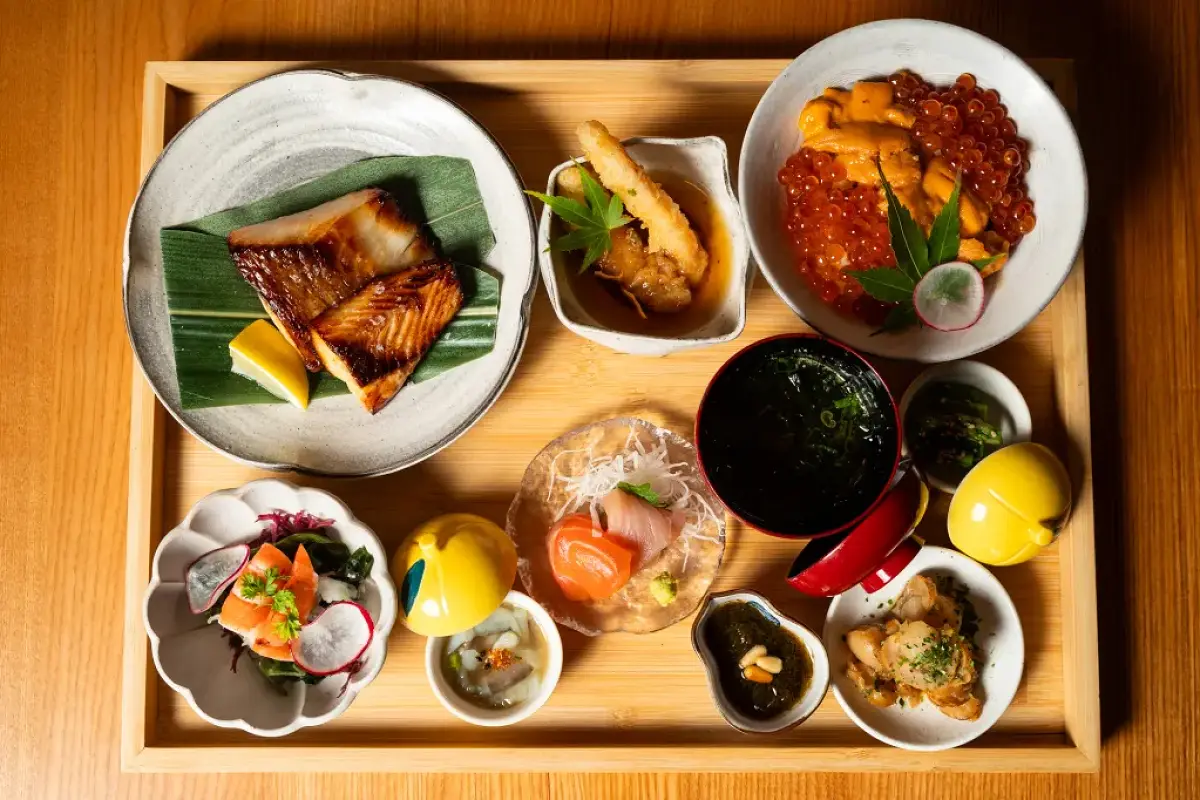
LOS ALTOS, Calif., June 1, 2026 — Haru Japanese Restaurant opened May 22 at 325 Main St. in downtown Los Altos, introducing a menu built around gozen the traditional Japanese set meal format alongside a sushi bar featuring dry-aged fish. The restaurant occupies the former space of Georgian restaurant Bevri and seats approximately 100 guests across a main dining room, a private back dining room and a parklet for outdoor dining. The opening marks the latest project from chef-owner Gavin Liang, whose Bay Area résumé includes three San Francisco and Mountain View Japanese restaurants spanning omakase, kaiseki and sushi formats.
Haru enters the South Bay dining market with a deliberate point of difference: a casually priced, full-service Japanese dining experience in a county where omakase tasting menus have proliferated. The name means "spring" in Japanese, and the restaurant's identity reflects a seasonal sensibility expressed through both its cooking techniques and its beverage programme.
Haru Japanese Restaurant Centres Its Menu on Gozen Set Meals
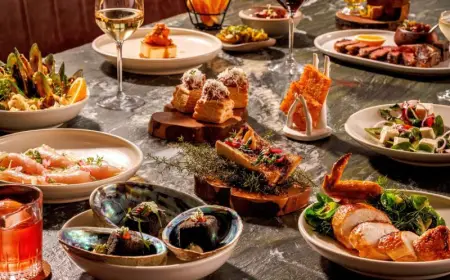
The gozen format a traditional, formal Japanese meal served on a single tray with a main dish, rice, miso soup and side dishes anchors the Haru menu. Guests choose from five main dish options for their set, including miso black cod (gindara miso yaki, $33) and grilled wagyu beef. Seven gohan rice options accompany the sets, ranging from rice topped with barbecued eel to ikura uni don salmon roe and sea urchin over rice ($40). Full gozen sets range from $28 to $78 depending on selections.
The gozen format is relatively uncommon in the Bay Area's Japanese restaurant landscape, where omakase and à la carte sushi dominate. At Haru, the set meal structure allows diners to experience a complete, composed Japanese dining occasion at a price point below most tasting-menu experiences in the region.
Beyond the gozen sets, the menu includes appetizers priced from $7 to $23. Kani chawanmushi snow crab steamed egg custard with dashi sauce leads the starter section. American-influenced dishes, including a wagyu sando with miso katsu sauce and a wagyu hamburger finished with American cheese, run from $28 to $42. Makimono rolls range from $14 to $32, with the Haru Roll a 12-piece deep-fried roll combining salmon, tuna, hamachi and avocado serving as the kitchen's flagship maki.
Two Dry-Aging Fridges Give Haru's Sushi Its Distinctive Character
Haru operates two dry-aging refrigerators behind the sushi bar, where chefs use controlled temperature and humidity to alter the texture and flavour profile of fish before it reaches the plate. The technique, more common in high-end Japanese restaurants in Japan and New York than in the Bay Area, concentrates the umami characteristics of fish while softening its texture producing a result that differs meaningfully from freshly sliced sashimi.
At the sushi bar, an eight-piece omakase tasting costs $63. Dedicated tasting flights showcase five preparations each of toro or salmon ($28 to $36), giving guests a focused study of a single fish across different treatments. While the omakase tasting remains available, Liang is clear that Haru is not an omakase restaurant the sushi bar sits alongside rather than at the centre of the dining experience.
"So many omakase restaurants open down in Santa Clara County, so we figured, 'Why should we still do omakase style? We should have something more affordable,' so that's why we try to open a more casual dining restaurant in South Bay," Liang said.
Chef-Owner Gavin Liang Brings Decade-Long Bay Area Track Record to Los Altos
Liang has operated in the Bay Area's Japanese fine dining sector since 2016, when he and fellow chef Weida Chen opened Hinata, an omakase restaurant in San Francisco. Two years later, Liang, Chen and a third collaborator, Jing Huang, opened Sasa, a kaiseki restaurant also in San Francisco. The team then opened Sushi Jin in Mountain View in 2022, an omakase restaurant that built a following in Santa Clara County and received favourable coverage from local food media.
Haru represents a departure from the tasting-menu format that defined all three predecessor restaurants. Liang cited the saturation of the South Bay omakase market and the desire to serve a broader, more accessible clientele as the drivers behind the shift to a casual dining format. The pricing at Haru reflects that intention: while premium ingredients including wagyu beef, sea urchin and toro appear throughout the menu, the entry price for a complete gozen set sits well below what a comparable omakase experience in the area would cost.
Beverage Programme Focuses on Japanese Whisky, Sake and Cocktails
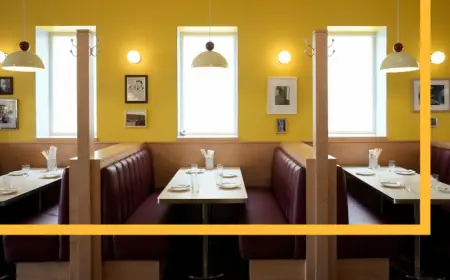
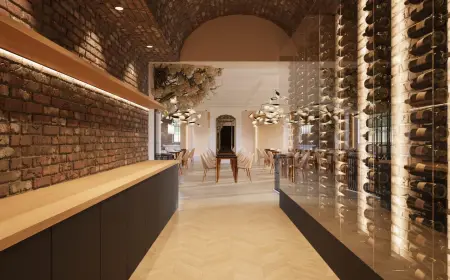
Haru operates a full bar with a programme weighted toward Japanese whisky, house cocktails, sake and a wine list drawing from domestic and French producers. The combination reflects the restaurant's modern Japanese design identity neutral tones, natural wood surfaces, an open kitchen and cozy booth seating without leaning into either strict traditionalism or aggressive fusion.
The parklet adjacent to the restaurant adds outdoor seating capacity in a downtown corridor that draws consistent pedestrian traffic. The back dining room accommodates private parties, giving Haru a group dining option that distinguishes it from the more counter-oriented format of its predecessor concepts.
Haru Japanese Restaurant is open daily from noon to 2 p.m. and 5 to 9:30 p.m. at 325 Main St., Los Altos. The restaurant can be followed at @harulosaltos on Instagram.
More information about Indian cuisine and its regional diversity can be explored through Indian cuisine history and traditions.
Businesses monitoring hospitality expansion trends can also explore restaurant industry growth trends for 2026 to understand how regional food concepts are shaping dining markets.