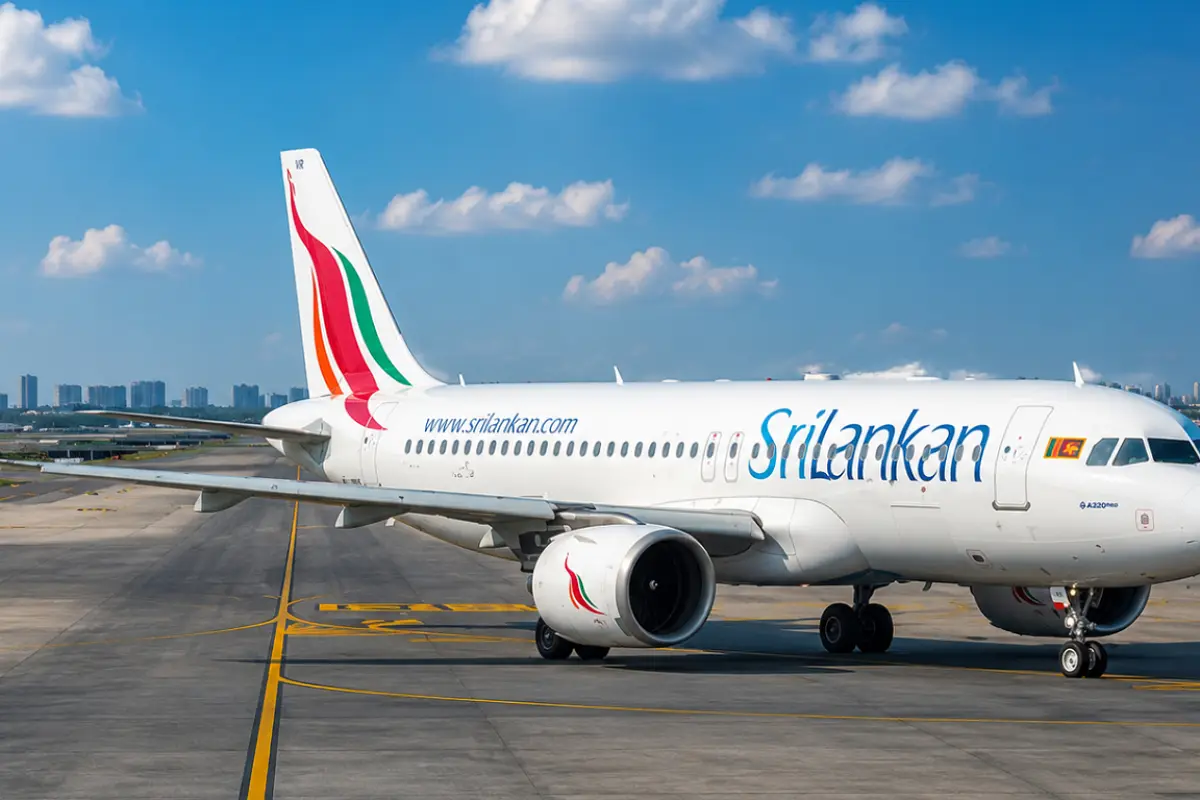
Hong Kong-based private equity firm Transwell Corporation Limited submitted an unsolicited proposal for a SriLankan Airlines turnaround on August 8, 2026, promising a milestone-based roadmap to achieve sustainable profitability within 24 to 36 months. Incoming investors would assume full responsibility for all capital requirements from day one, covering operational expenses, fleet expansion and growth without relying on treasury support or state-backed debt.
SriLankan Airlines' accumulated losses stood at LKR 631.5 billion by August 2025. Transwell is proposing to absorb that liability and turn the airline profitable in three years. Sri Lanka's government is reviewing the proposal before deciding whether to open a formal expression-of-interest process. The history of the airline makes scepticism reasonable. The proposal's specifics make it worth taking seriously.
SriLankan Airlines Turnaround: What Transwell Is Actually Proposing
The structure differs from the pattern of previous SriLankan Airlines restructuring attempts, which typically involved debt restructuring, government recapitalisation and management reshuffles, in one critical way. Under the proposed framework, investors would assume full responsibility for capital requirements from day one, with no reliance on treasury support or state-backed debt. The strategy aims to completely shift all financial liabilities away from the state treasury while steering the carrier toward commercial viability.
The Transwell SriLankan Airlines proposal includes a milestone roadmap that is specific to an unusual degree. By the third year, the strategic focus transitions to optimising the Colombo hub, targeting a 15% year-over-year increase in connecting passenger traffic and a system-wide passenger load factor of at least 80% across all core routes. The final phase dictates that at least 75% of all newly launched routes must reach a positive operating margin within 180 days of launch.
Those are measurable commitments, not the vague efficiency pledges and cost-reduction targets that have characterised every previous attempt to reform the airline. A 180-day route viability test and an 80% system-wide load factor target are numbers that either get hit or don't, which makes accountability enforceable in a way that previous restructuring language was not.
SriLankan Airlines Restructuring: The Specific Problems Any Proposal Must Fix
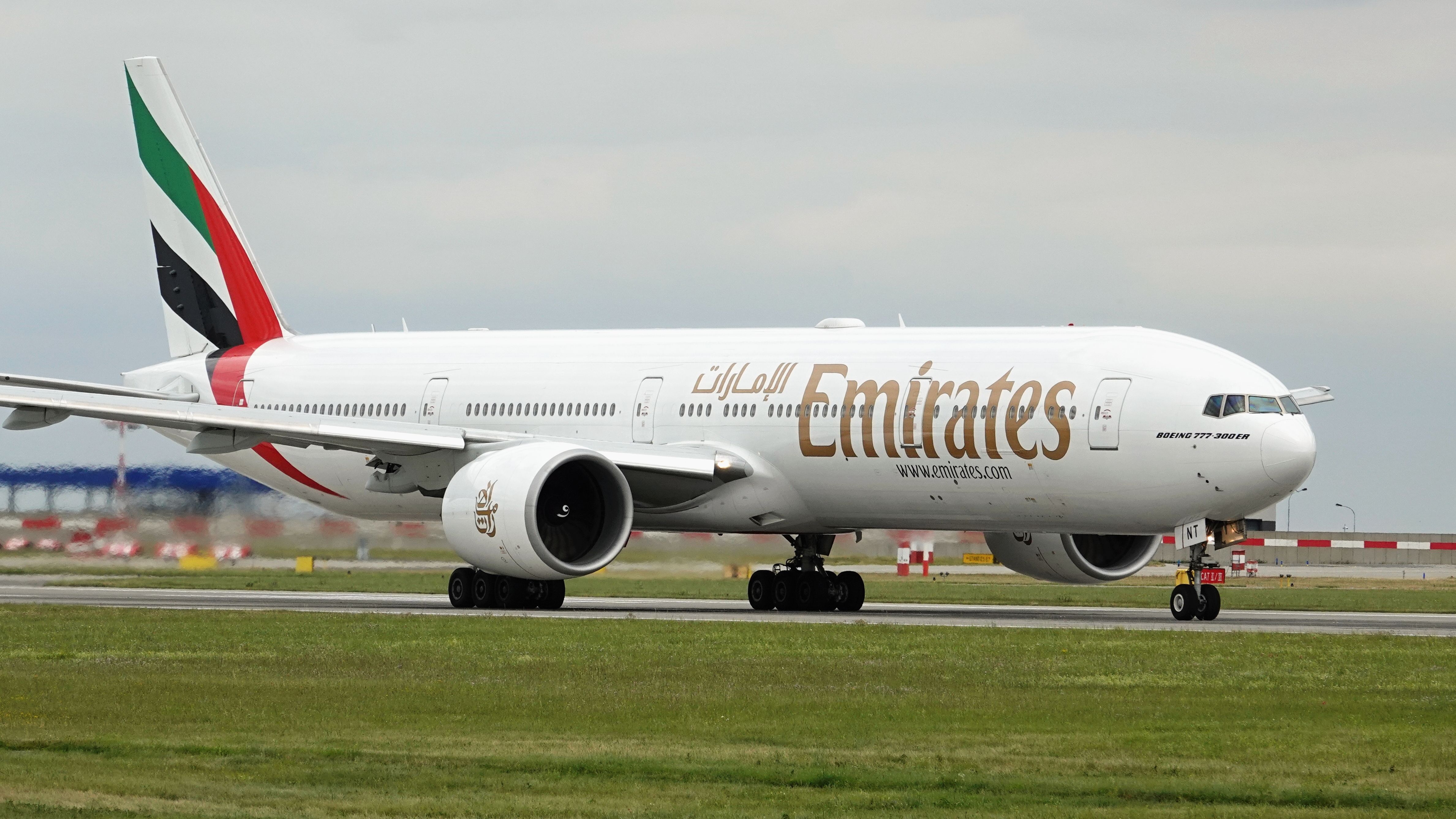
SriLankan Airlines core dysfunction is well documented. Aircraft utilisation runs significantly below global benchmarks for carriers of comparable fleet size, with aircraft spending too many hours on the ground relative to the flying they generate. The Colombo hub underperforms as a connecting point because schedule design, commercial agreements and pricing strategy have not been optimised for transit traffic in the way that Emirates' Dubai, Qatar's Doha or Singapore's Changi have been. Ancillary revenue, cargo, loyalty programme monetisation and maintenance third-party services are a fraction of what comparable carriers generate.
SriLankan Engineering, the airline's MRO subsidiary, has the potential to generate third-party maintenance revenue from other carriers operating through Colombo. That revenue stream has never been developed to scale. A private investor who views the maintenance business as a profit centre rather than a cost centre could unlock significant value that the current state-ownership model has left dormant.
SriLankan Airlines Losses Make a Private Solution More Urgent
The scale of SriLankan Airlines losses is central to the government's decision-making. With accumulated losses reaching LKR 631.5 billion by August 2025, any future restructuring model needs to address both the airline's operational performance and its financial liabilities.
This is also where the proposed Sri Lanka airline privatization model differs from earlier approaches. If the government proceeds with a competitive process, the key question will not simply be who can operate the airline, but who is willing and financially capable of assuming responsibility for its future capital requirements without returning to Treasury support.
Why the Government Is Being Careful
The Transwell proposal is unsolicited; it was not the result of a government-run competitive process. Authorities have indicated that a structured procurement process will be initiated only after the restructuring committee led by Dr. Hans Wijayasuriya completes its assessment and issues a formal recommendation.
The government is not going to accept the first private proposal it receives for an airline that the IMF and international creditors are watching closely as part of Sri Lanka's broader economic recovery conditions.
The sequencing matters. Committee review first. Formal EOI or RFP process second. Evaluation of competitive bids third. The Transwell SriLankan Airlines proposal has triggered the process but it is not the process itself. The government has also been simultaneously appointing an internal interim CEO for the airline, ensuring management continuity while the longer-term ownership question is resolved.
SriLankan Airlines has been here before. A restructuring plan with ambitious targets. A foreign investor with a credible pitch. A government committee reviewing options. The difference this time is that the fiscal pressure is more acute: LKR 631.5 billion in accumulated losses, an IMF programme requiring state enterprise reforms, and a government that has publicly committed to ending the cycle of Treasury bailouts.
Whether that pressure translates into a completed SriLankan Airlines turnaround rather than another deferred decision is the question that only the next twelve months can answer.

 Jishan Khan