Hybrid Korean Chains Fuel Authenticity Debate Amid Global Growth
Hybrid Korean restaurant chains like Chikinbaeng and KPOT are expanding globally, sparking debate over authenticity, adaptation, and calls for certification standards.
 Prajakta Sanjay Warwadkar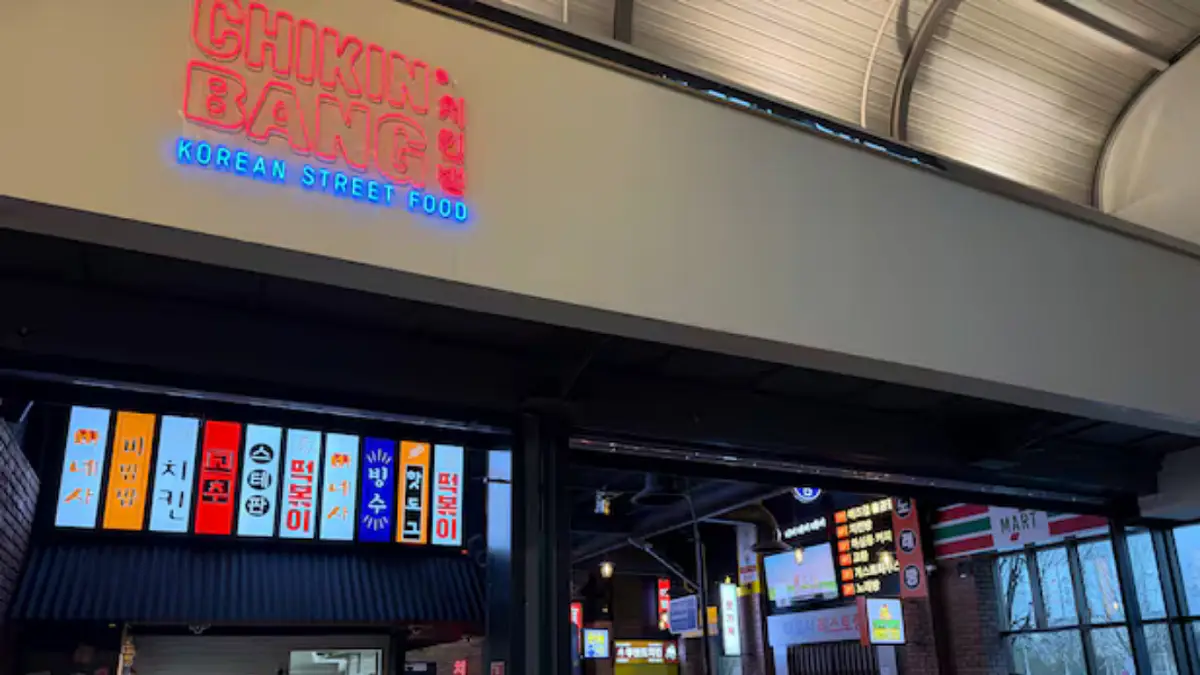
Hybrid Korean restaurant concepts are gaining traction across international markets, with brands such as Chikinbaeng and KPOT expanding rapidly while sparking debate over authenticity and cultural representation. As K-food continues to globalise, industry stakeholders remain divided on whether adaptation strengthens or dilutes its identity.
The debate has intensified alongside the growth of foreign-operated Korean dining concepts that blend traditional dishes with local influences. These hybrid formats are increasingly visible in Europe and North America, where operators are modifying menus, formats, and service styles to align with regional consumer preferences.
Global Expansion of Hybrid Korean Concepts
In France, Chikinbaeng has established a presence with eight outlets, primarily located in high-traffic retail environments such as shopping malls. The brand combines Korean-themed branding elements—including Korean-language signage and K-pop music—with a menu that mixes traditional items like tteokbokki and bulgogi alongside adapted offerings tailored to local tastes.
Menu innovations include items such as “chikin-bap,” a rice-based dish incorporating ingredients like carrot pickles, corn, and chicken. Despite deviations from traditional Korean recipes, the brand has achieved a strong consumer response, maintaining a 4.5 out of 5 rating on Google and receiving a ‘Best Snack Franchise’ award from a French food media outlet.
Chikinbaeng has outlined plans to scale its operations to 50 locations by 2030, indicating confidence in the hybrid model’s commercial viability in European markets.
In the United States, KPOT has adopted a dual-concept format, combining Korean-style barbecue with Chinese hot pot. The chain has expanded to 171 locations, including sites currently under development, positioning it among the fastest-growing Asian dining concepts in the country.
The brand’s format allows customers to cook their own food at the table, integrating interactive dining elements with a cross-cultural menu offering. This approach has contributed to its rapid expansion, although customer reactions have been mixed, particularly among diners unfamiliar with the format.
Authenticity Concerns and Certification Proposals
The rise of hybrid Korean restaurants has prompted calls within the industry for the introduction of a formal certification system to preserve culinary authenticity. Proponents argue that as non-Korean operators increasingly enter the market, there is a risk of misrepresentation that could impact the global perception of Korean cuisine.
Suggested measures include certification marks for restaurants that adhere to traditional cooking methods, ingredient sourcing, and preparation standards. Advocates point to existing frameworks in other countries, such as Italy’s certification systems for authentic cuisine, as potential models.
Supporters of certification believe that establishing clear standards would help differentiate traditional Korean restaurants from hybrid or fusion concepts, providing clarity for consumers and protecting cultural heritage.
Industry Divided on Adaptation vs. Preservation
While some stakeholders support stricter definitions of authenticity, others argue that adaptation is a natural and necessary aspect of global food expansion. They contend that localised variations enable cuisines to reach broader audiences and evolve in response to regional preferences.
Critics of certification proposals suggest that enforcing rigid standards could limit innovation and hinder the growth of Korean cuisine internationally. They highlight parallels with other global cuisines, noting that dishes often undergo transformation when introduced to new markets.
Industry voices emphasise that hybridisation can serve as an entry point for consumers unfamiliar with Korean food, potentially increasing long-term interest in traditional offerings.
Consumer Perception and Market Dynamics
Consumer responses to hybrid Korean dining formats vary by market. In the case of KPOT, social media reactions have highlighted both curiosity and confusion, with some diners expressing uncertainty about the concept and pricing structure, particularly the requirement for customers to cook their own food.
At the same time, the commercial success of chains like Chikinbaeng suggests that adaptation strategies can resonate strongly with local audiences. High customer ratings and industry recognition indicate that hybrid concepts are capable of building brand loyalty despite deviations from traditional formats.
The divergence in consumer perception reflects broader market dynamics, where familiarity, accessibility, and experience-driven dining play an increasing role in shaping restaurant success.
Globalisation Reshaping Korean Cuisine Landscape
The expansion of hybrid Korean restaurants highlights the broader transformation of K-food as it enters new markets. As foreign operators adopt and reinterpret Korean culinary elements, the boundaries of what constitutes Korean cuisine are becoming more fluid.
This shift is occurring alongside the growing global popularity of Korean culture, including music, film, and television, which has contributed to increased interest in Korean food. The integration of cultural elements into restaurant branding further reinforces this connection, even in adapted formats.
The ongoing debate over authenticity versus adaptation underscores the challenges faced by cuisines undergoing rapid internationalisation. While certification systems may emerge as one potential solution, the trajectory of K-food suggests that hybridisation will remain a defining feature of its global expansion.