LPG Shortage in India Disrupts Restaurant Operations, Forces Menu Changes and Price Pressures
An LPG shortage in India is impacting restaurant operations, leading to menu changes, rising costs, and operational challenges across the hospitality sector.
 Prajakta Sanjay Warwadkar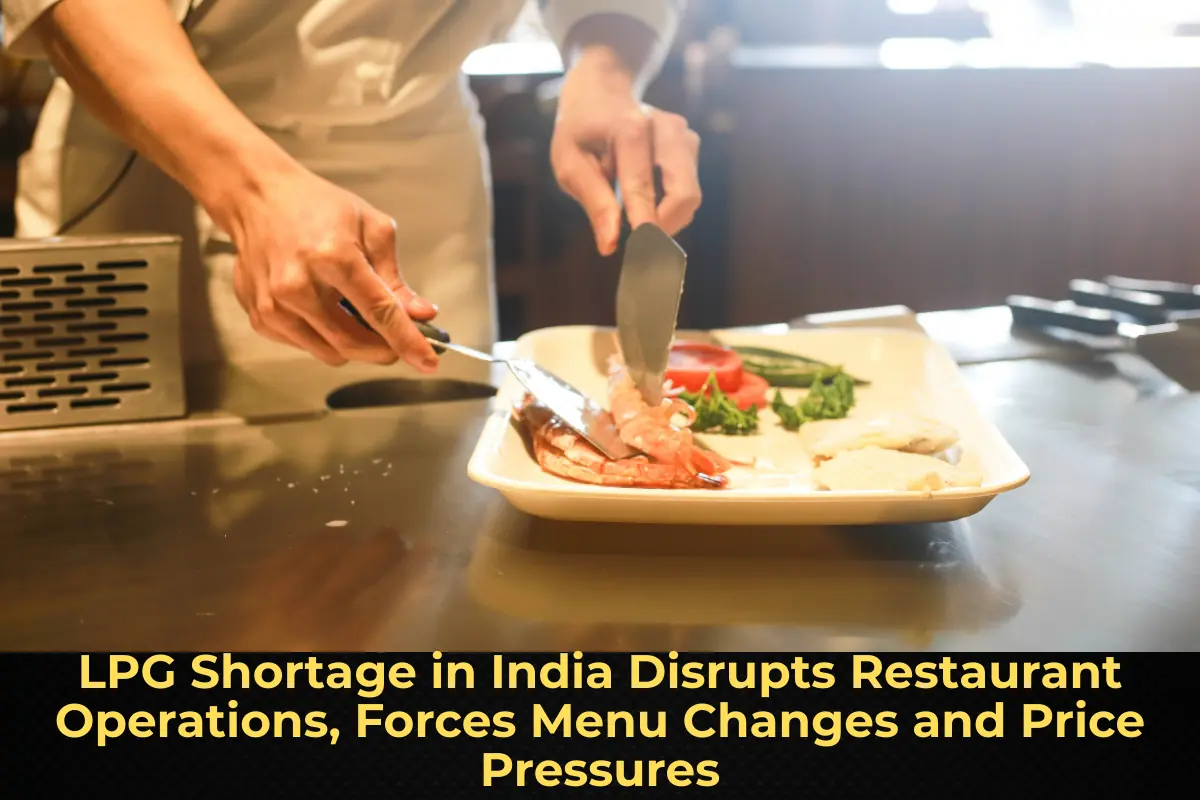
LPG Shortage in India Disrupts Restaurant Operations
An ongoing liquefied petroleum gas (LPG) shortage in India is disrupting restaurant operations across multiple cities in 2026, forcing eateries to alter menus, manage rising costs, and navigate supply constraints, industry stakeholders said. The fuel supply issue, which directly impacts commercial kitchens, has emerged as a significant operational challenge for the country’s hospitality sector.
Restaurants, which rely heavily on LPG for cooking, are facing inconsistent supply and delayed deliveries, affecting their ability to maintain regular service. The shortage is prompting operators to reassess kitchen processes, reduce menu offerings, and in some cases, temporarily suspend certain dishes that require high fuel consumption.
Menu Adjustments and Operational Changes
To cope with limited LPG availability, many restaurants are modifying menus to prioritize items that require less cooking time or lower fuel usage. Energy-intensive dishes, including slow-cooked preparations and bulk cooking items, are being scaled back or removed altogether.
Operators are also adopting alternative cooking methods where possible, including the use of electric appliances or induction-based systems. However, these transitions are not always feasible for all establishments, particularly smaller outlets with limited infrastructure and capital.
In some cases, restaurants are staggering service hours or reducing operating times to manage fuel consumption more efficiently, ensuring that available resources are used strategically.
Rising Costs Add to Industry Pressure
The LPG shortage is contributing to rising operational costs, compounding existing challenges such as food inflation, labor expenses, and supply chain disruptions. Limited fuel availability has led to increased procurement costs, as businesses compete for constrained supplies.
These cost pressures are being passed on to consumers in the form of higher menu prices, with restaurants attempting to maintain margins while remaining competitive. However, price hikes risk impacting customer demand, particularly in price-sensitive segments.
The situation highlights the delicate balance restaurants must maintain between cost management and customer retention in a challenging economic environment.
Impact on Small and Independent Restaurants
Small and independent restaurants are among the most affected by the LPG shortage, as they often lack the financial resilience and operational flexibility of larger chains. Limited access to alternative energy solutions and bulk purchasing power puts them at a disadvantage.
Many small operators depend on daily or frequent LPG deliveries, making them particularly vulnerable to supply disruptions. Any delay can result in immediate operational setbacks, including reduced service capacity or temporary closures.
Industry representatives have raised concerns that prolonged shortages could lead to financial strain and potential business closures among smaller establishments.
Supply Chain and Distribution Challenges
The LPG shortage is being attributed to a combination of supply chain constraints, logistical challenges, and increased demand across sectors. Distribution inefficiencies and regional disparities in supply are further exacerbating the issue, leading to uneven availability.
Restaurants in certain regions are experiencing more severe disruptions than others, depending on local supply conditions and distribution networks. This inconsistency adds complexity to business planning and inventory management.
Stakeholders are calling for improved coordination between suppliers, distributors, and regulatory authorities to address bottlenecks and ensure more reliable supply.
Industry Response and Adaptation
In response to the crisis, industry bodies and restaurant associations are engaging with government authorities to seek relief measures and policy support. These include requests for priority allocation of LPG for commercial use and temporary measures to stabilize supply.
Restaurants are also exploring long-term solutions, such as diversifying energy sources, investing in energy-efficient equipment, and optimizing kitchen workflows. While these strategies may help mitigate future risks, they require time and capital investment.
The crisis is accelerating conversations around sustainability and energy resilience within the hospitality sector.
Consumer Impact and Changing Dining Patterns
Consumers are beginning to feel the effects of the LPG shortage through higher prices, limited menu options, and potential service delays. These changes may influence dining behavior, with some customers opting for simpler meals or reducing frequency of eating out.
Delivery and takeaway segments may also be affected, as operational constraints limit the ability of restaurants to handle high volumes. The overall dining experience could be impacted if disruptions persist over an extended period.
Despite these challenges, many restaurants are striving to maintain service quality and customer satisfaction through strategic adjustments.
Broader Implications for the Hospitality Sector
The LPG shortage underscores the vulnerability of the hospitality industry to external supply shocks, particularly those affecting essential resources such as fuel. It highlights the need for greater resilience and contingency planning in restaurant operations.
As the sector continues to recover and grow, addressing infrastructure and supply chain challenges will be critical to ensuring stability. The current situation may prompt policymakers and industry stakeholders to prioritize energy security for commercial users.
The crisis also reflects the interconnected nature of the food service ecosystem, where disruptions in one area can have cascading effects across operations and customer experience.
Future Outlook
While efforts are underway to stabilize LPG supply, the timeline for resolution remains uncertain. Restaurants are likely to continue adapting their operations in the short term while exploring long-term strategies to reduce dependency on a single fuel source.
The experience may lead to increased adoption of alternative energy solutions and more resilient operational models across the industry. Collaboration between government bodies and industry players will be essential in addressing the root causes of the shortage.
In the coming months, the sector’s ability to adapt and innovate will play a key role in navigating the ongoing challenges.
Conclusion
The LPG shortage in India is placing significant strain on restaurant operations, driving menu changes, cost increases, and industry-wide adjustments as businesses work to maintain service amid ongoing fuel supply disruptions.