Masala Twist Rebrands as Malgudi Garden to Revamp Indian Dining Experience in Richardson
Indian restaurant Masala Twist has rebranded to Malgudi Garden in Richardson, introducing a refreshed concept focused on authentic regional cuisine and enhanced dining experience.
 Prajakta Sanjay Warwadkar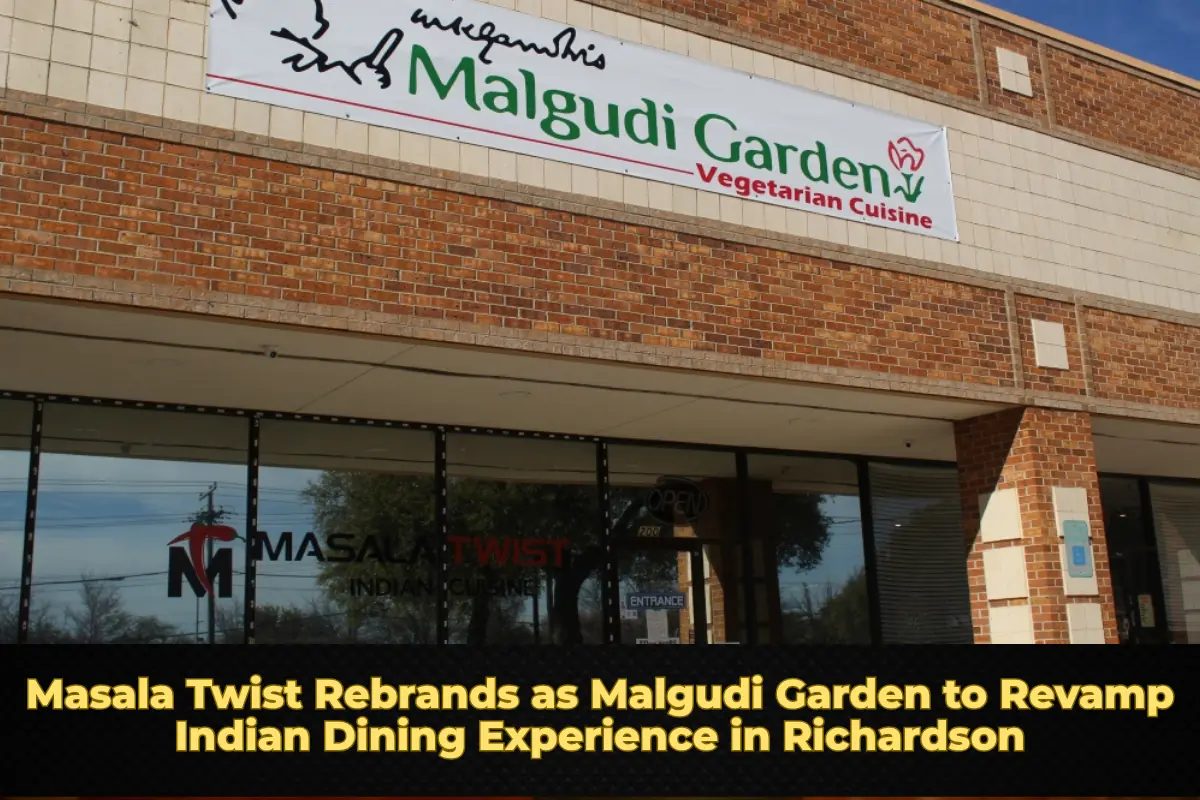
Masala Twist Rebrands as Malgudi Garden to Revamp Indian Dining Experience in Richardson
Masala Twist, an established Indian restaurant in Richardson, Texas, has rebranded as Malgudi Garden in March 2026, introducing a refreshed identity, updated menu, and renewed focus on regional Indian cuisine to enhance its appeal in a competitive dining market. The transformation aims to attract a broader customer base while staying rooted in authentic culinary traditions.
The rebranding reflects a strategic shift by the restaurant’s management to reposition the business amid evolving consumer preferences, with diners increasingly seeking authentic and immersive cultural dining experiences. Located in the Dallas-Fort Worth metroplex, Richardson has a diverse food scene, making differentiation a key factor for success.
Strategic Rebranding to Strengthen Market Position
The transition from Masala Twist to Malgudi Garden represents more than a name change, signaling a comprehensive revamp of the restaurant’s brand identity. The new concept emphasizes traditional Indian flavors, regional diversity, and a dining experience inspired by cultural storytelling.
Rebranding in the restaurant industry is often driven by the need to stay relevant and competitive, particularly in markets with a high concentration of similar cuisine offerings. By introducing a new identity, the restaurant aims to create a distinct presence and reconnect with both existing and new customers.
Industry analysts note that successful rebranding efforts typically involve aligning the menu, ambiance, and service style with a clear and compelling concept, ensuring consistency across all customer touchpoints.
Focus on Regional Indian Cuisine
Malgudi Garden is expected to highlight a diverse range of regional Indian dishes, moving beyond generic offerings to showcase the depth and variety of Indian culinary traditions. This approach aligns with a broader trend in the global restaurant industry, where authenticity and regional specialization are gaining prominence.
By focusing on specific regional cuisines, the restaurant aims to provide a more nuanced dining experience that appeals to both Indian expatriates and a wider audience interested in exploring authentic flavors. The menu is likely to include traditional recipes prepared using time-honored techniques and ingredients.
This emphasis on authenticity also reflects changing consumer expectations, as diners become more knowledgeable and seek genuine cultural experiences.
Enhancing the Dining Experience
In addition to menu changes, the rebranding includes updates to the restaurant’s interior design and overall ambiance. Malgudi Garden aims to create a welcoming environment that reflects Indian heritage, incorporating elements of traditional aesthetics with modern touches.
The dining experience is being positioned as a key differentiator, with attention to service quality, presentation, and customer engagement. Restaurants increasingly recognize that ambiance and service play a crucial role in shaping customer perceptions and loyalty.
These enhancements are designed to elevate the restaurant’s positioning within the local market, making it a destination for both casual dining and special occasions.
Competitive Landscape in Richardson
The Richardson area, part of the Dallas-Fort Worth region, has a vibrant and diverse culinary scene, with a significant presence of Indian restaurants. This competitive environment requires operators to continuously innovate and differentiate their offerings.
Malgudi Garden’s rebranding is a response to these market dynamics, aiming to stand out through a combination of authenticity, quality, and a unique concept. Establishments that can clearly define their identity are better positioned to attract and retain customers.
The move also highlights the growing importance of branding in the restaurant industry, where perception and storytelling can significantly influence consumer choices.
Consumer Trends Driving Change
Several key trends are influencing the restaurant’s decision to rebrand, including the increasing demand for authentic cuisine, the rise of experiential dining, and the importance of cultural representation in food. Consumers are seeking more than just meals; they are looking for meaningful and memorable experiences.
The shift toward regional authenticity is particularly notable, as diners move away from generalized menus toward more specialized offerings. This trend is evident across global markets, where restaurants are embracing their culinary roots to create distinctive identities.
Digital engagement and online presence also play a role, with customers relying on reviews and social media to discover new dining options. A strong brand identity can enhance visibility and attract attention in these channels.
Operational Considerations and Challenges
Rebranding a restaurant involves significant operational considerations, including updating menus, retraining staff, redesigning interiors, and managing customer expectations. While these changes can drive growth, they also require careful execution to ensure a smooth transition.
Maintaining consistency during the transition period is critical, as any disruption in service or quality can impact customer perceptions. The management must balance innovation with continuity to retain loyal patrons while attracting new ones.
Additionally, cost management remains an important factor, as investments in rebranding must be aligned with long-term business objectives.
Local Economic and Community Impact
The rebranding of Masala Twist to Malgudi Garden contributes to the local economy by supporting employment and enhancing the diversity of dining options in Richardson. Restaurants play a vital role in community development, serving as social hubs and contributing to economic activity.
For the local community, the introduction of a refreshed concept provides new opportunities to explore Indian cuisine in a different format. Such developments can also attract visitors from surrounding areas, boosting foot traffic and business for nearby establishments.
The restaurant’s focus on cultural authenticity may also foster greater appreciation for Indian culinary traditions within the broader community.
Outlook for Malgudi Garden
Looking ahead, Malgudi Garden is expected to focus on building its brand identity and establishing itself as a distinctive destination for Indian cuisine in Richardson. The success of the rebranding will depend on its ability to deliver consistent quality, authentic flavors, and a compelling dining experience.
Industry experts suggest that restaurants embracing authenticity and storytelling are well-positioned to succeed in today’s market. By aligning its concept with these trends, Malgudi Garden aims to capture a growing segment of diners seeking unique and culturally rich experiences.
The restaurant may also explore opportunities for expansion or further innovation as it strengthens its presence in the region.
Conclusion
The rebranding of Masala Twist to Malgudi Garden marks a strategic effort to redefine its identity and enhance its competitiveness, as the restaurant positions itself for growth in Richardson’s dynamic dining market.