Motley School Tavern: Des Moines Neighborhood Dining Era Ends
Motley School Tavern closes after one year under new ownership. Des Moines Beaverdale neighborhood loses beloved restaurant with playful comfort food concept.
 RUKAIYA KADIWAL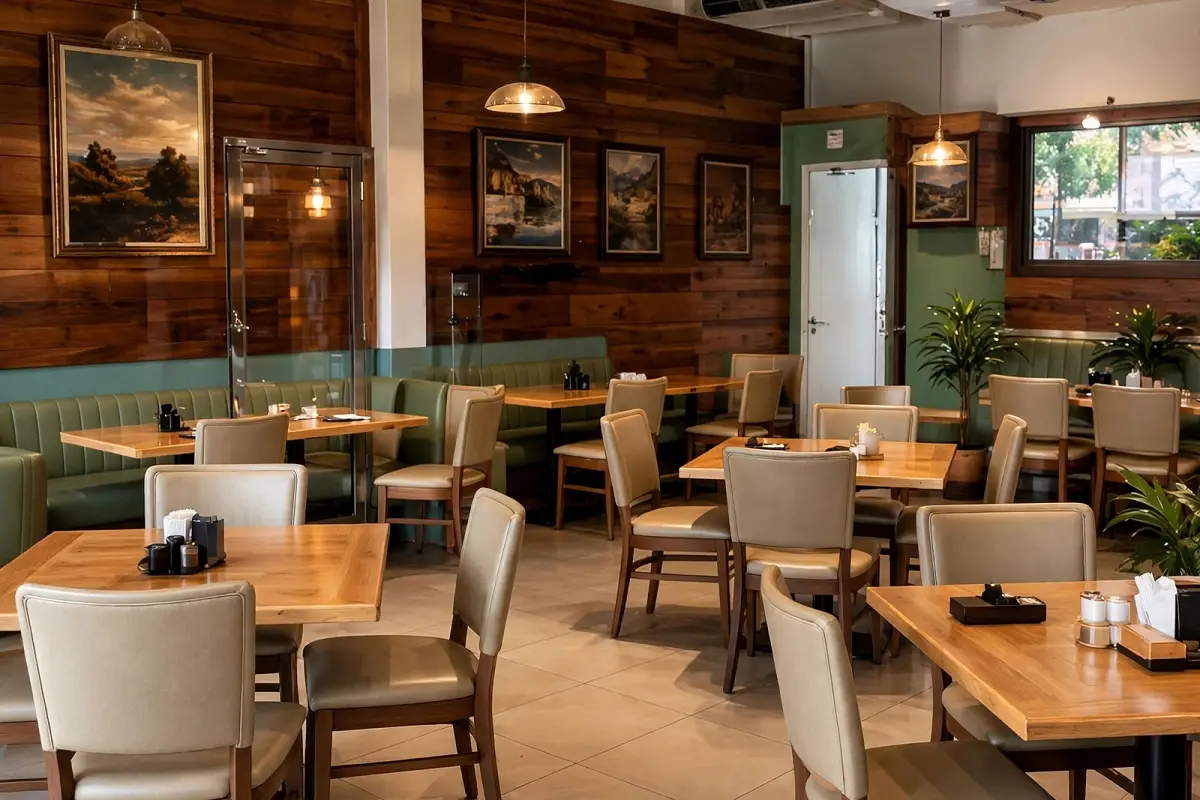
A server sets down coffee in an empty dining room. Wooden tables stand silent against warm wood paneling. Vintage paintings frame the space as they have for seven years. Motley School Tavern closes its doors unexpectedly. The bright airy space that welcomed guests for years now serves only memory. Motley School Tavern represents loss and transition within Des Moines hospitality landscape.
Why Motley School Tavern Matters to Local Community
The restaurant established itself as neighborhood gathering place. Motley School Tavern Des Moines became destination for comfort food lovers and cocktail enthusiasts. Customers visited regularly for familiar experiences and culinary exploration. Beaverdale neighborhood restaurant positioning created loyal guest base over years of operation.
Motley School Tavern closes announcement arrived without warning on September 4. Owners posted message stating restaurant would pause operations temporarily. The closure came only one year after ownership transition. Questions about permanence linger throughout community.
Understanding the History of Motley School Tavern
The restaurant opened in July 2019 in former Chef's Kitchen space. Founder chef Nic Gonwa built reputation through innovative cooking. Motley School Tavern closure follows departure of its original visionary. Gonwa earned James Beard Foundation semifinalist recognition in 2015. His culinary philosophy shaped restaurant identity completely.
Jason Simon originally opened the property with Gonwa partnership. Simon operated multiple Des Moines restaurants establishing fine dining presence. Motley School Tavern Des Moines represented collaborative vision between two respected hospitality leaders. The restaurant name and decor honored Gonwa's educational cooking background.
What Changed Following Motley School Tavern owners Transition
In September 2025, Emily and Chao Lin acquired the restaurant. The couple brought real estate and business expertise to hospitality. Motley School Tavern owners attempted to maintain operational continuity and cultural identity. Yet significant transitions followed the acquisition.
Executive chef Caelen Thorn departed in May 2026. Thorn worked with Gonwa before assuming kitchen leadership. His move to Alba restaurant removed institutional culinary knowledge. Motley School Tavern closes only months after Thorn's departure suggests operational challenges emerged. Kitchen leadership vacuum may have contributed to closure decision.
The Culinary Legacy of Motley School Tavern
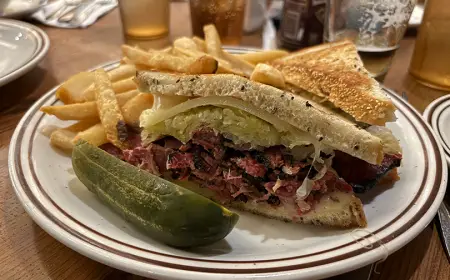
The menu emphasized playful comfort forward cooking with twist. Signature dishes included fried bologna sandwich and deviled eggs. Des Moines restaurant closure eliminated access to beloved menu items. Customers mourned loss of familiar offerings.
Cheddar potato pierogi and harissa glazed carrots represented culinary philosophy. Brunch offerings included creative pancake variations and pastrami hash. The MST Burger became staple comfort item for regular guests. Homemade pies were must order accompaniments. These dishes built restaurant identity and customer loyalty.
Guest Experience at Motley School Tavern Locations
Dining spaces featured warm wood paneling and modern touches. Vintage artwork and vintage charm created inviting atmosphere. Bright airy design welcomed guests seeking comfortable experiences. Cocktail programs offered creative preparations alongside classical options. Service style emphasized hospitality and attentiveness.
The restaurant attracted diverse demographics seeking quality dining. Brunch crowds mixed with dinner service guests. Cocktail culture drew young professionals seeking social connection. Neighborhood residents became regular patrons building community relationships.
Industry Context of Motley School Tavern closing 2026
Restaurant closures accelerate during economic uncertainty. Labor challenges persist across hospitality sector. Leadership transitions create operational stress. Des Moines restaurant closure reflects broader industry pressures. Smaller establishments face particular challenges competing against chains.
Ownership transitions frequently precede restaurant closures. New ownership brings different operational philosophies. Staff retention becomes difficult during transition periods. Customer relationships require continuity in leadership and vision. Motley School Tavern owners faced these challenges without established hospitality backgrounds.
What Motley School Tavern closes Reveals About Hospitality
Restaurant success depends on sustained vision and execution. Key personnel transitions create vulnerable periods. New ownership requires hospitality expertise alongside business acumen. Motley School Tavern closure illustrates these dynamics starkly. Chef departure followed by closure suggests interconnected challenges, reflecting broader patterns documented in restaurant operations and community impact as well as industry challenges discussed in analyses of restaurant sustainability and leadership transitions.
The empty dining room waits for decision makers. Owners posted grateful message thanking community support. Motley School Tavern future remains uncertain. The bright airy space that hosted countless memories now holds only potential. Will new concept emerge from these walls? Will beloved restaurant return? Motley School Tavern closes but questions about permanence linger. Customers remember fried bologna sandwiches and creative pancakes. Staff members miss colleague connections and shared purpose. The neighborhood loses gathering place built on culinary passion. Sometimes restaurants represent more than food service. They become places where community intersects with culture, where hospitality creates meaning beyond transaction. Motley School Tavern filled this role authentically for seven years. Its closure leaves gap requiring more than replacement restaurant. It requires understanding that restaurants succeed when vision guides operations, when leadership cares beyond profit, when community connection drives daily decisions.