La Panthera Churchgate Mumbai Opens in Art Deco Eros Building
La Panthera Churchgate Mumbai opens in the historic Eros Cinema building, blending European dining with the neighborhood's iconic art deco architecture.
 RUKAIYA KADIWAL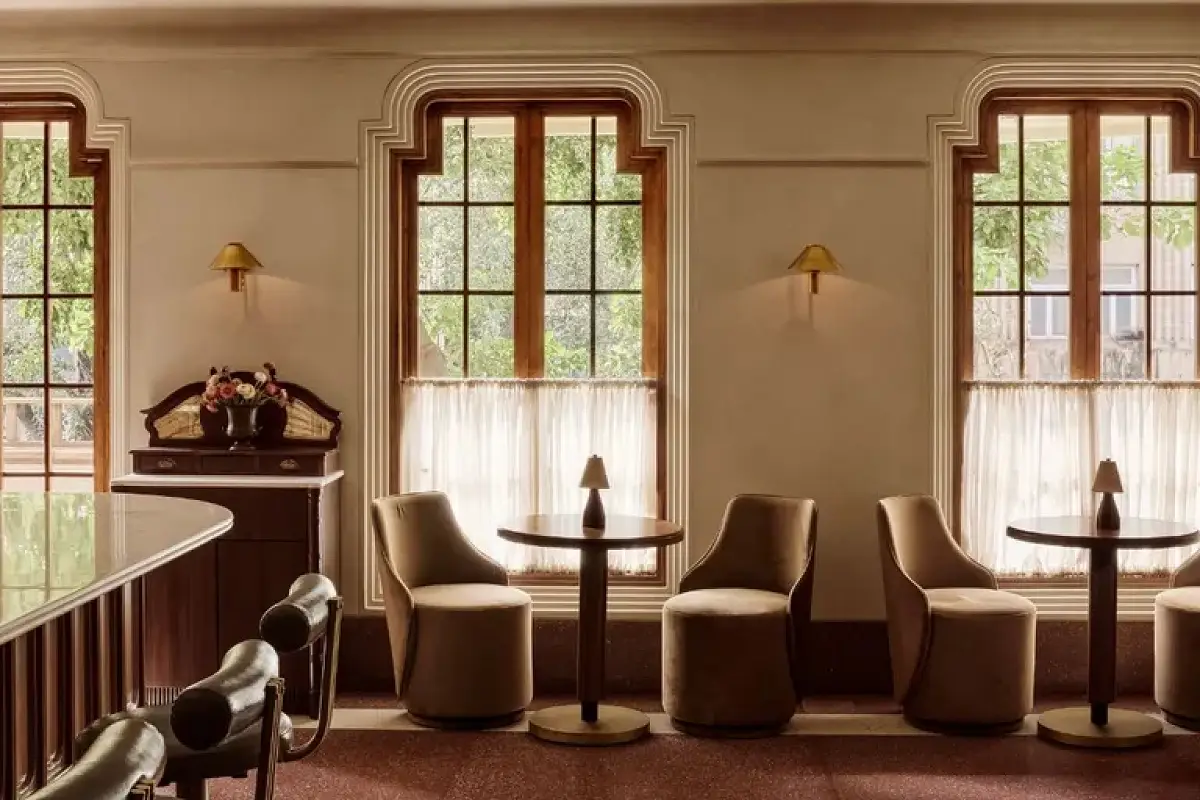
Step through the doors of the Eros Cinema building on a quiet Churchgate afternoon, and the first thing you notice is not a menu or a hostess stand, but the architecture itself, a curved art deco facade that has watched over Oval Maidan since the 1930s. Inside, past a foyer that doubles as a hushed library lounge, a new chapter of Mumbai dining is unfolding. This is La Panthera Churchgate Mumbai, the second outpost of a restaurant that first made its name in an entirely different part of the city.
Two years ago, La Panthera made a theatrical splash amidst the glass towers of the Bandra Kurla Complex, bringing European opulence to the sleek, fast paced neighborhood of high powered hustlers. Now, founder Mickee Tuljapurkar and chef Manuel Olveira have set their sights on South Bombay, with a second La Panthera opening its doors in the historic Eros Cinema building this month. More on the restaurant is available through La Panthera's official website.
A New Identity, Not a Copy
Recreating the original La Panthera at a new address was never the plan, a point both Mickee and architect Gowri Adappa of A Design Co agreed on from the outset. South Bombay is a storied neighborhood that invites people to linger in its streets and take in their surroundings, a stark contrast to the fast pace of life in BKC. "We wanted to respond to the space and the neighbourhood," Mickee says. Gowri adds, "From the very beginning, the founders and we, as architects, were aligned on creating a balance between the building's history and original character and the ethos of La Panthera. The brief was never about recreating the past, but about finding a way for the two identities to coexist naturally." The comment matters because it frames the entire design process around dialogue with the building rather than imposition upon it.
Inspiration Drawn From the Building Itself
Inspiration struck the team right where they stood, in Eros, the crowning jewel of the art deco buildings lining the street overlooking Oval Maidan. "You don't walk into a place like Eros, that was built in the 1930s, and ignore the building, it has too much personality," Gowri asserts. Taking cues from the residential buildings surrounding them, Mickee imagined the South Bombay outpost as a more intimate dining experience, something that resembles an apartment rather than a restaurant.
A Series of Rooms, Each With Its Own Character
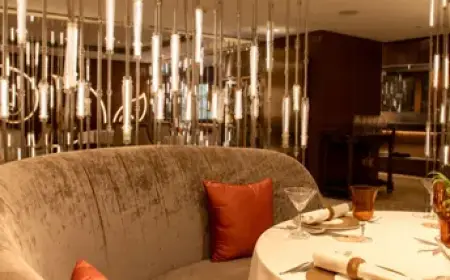
"An apartment is rarely one large, open space, it has a series of rooms, each with its own character, and that was the feeling we wanted to create here," Gowri elaborates. "There is a sense of openness when you first enter, but as you move through the restaurant, the space becomes more intimate and layered." A concierge greets guests at the foyer, which leads into a waiting area that doubles as a library lounge. Moving further in, cosy two-seater tables sit framed against large windows with art deco architraves that let sunlight pour through.
At the center of the space sits a glamorous bar wrapped in timber and anchored by deep rust colored terrazzo underfoot, separating the main dining area and open kitchen from the entrance. "Mickee wanted guests to feel that you could move through the evening in the same way you might move through a home," Gowri explains. "You start at the bar, settle into a corner, move to the dining room, perhaps end up outside with another drink. The terrace then opens everything back up, with the view of Churchgate Station reminding you that you are very much in Bombay."
Theatrical Details Throughout
The influence of Eros extends well beyond the broad design aesthetic, surfacing in subtler moments, from window architraves inspired by the curves of the entrance facade to dramatic drapery separating private dining rooms that echoes the velvet curtains of a cinema hall. "We used drapery and sectioned the restaurant to create these moments where you see something and then don't, opening up some areas and making others feel more tucked away," Gowri says.
The open kitchen at the end of the main dining area adds its own kind of performance to the room. "Part of the pleasure of dining is seeing things happen: the movement, the fire, the plating, the chefs working together. A kitchen has its own kind of theatre," Mickee explains. "The open kitchen becomes part of the visual experience. You see the chefs at work, hear the rhythm of the kitchen and get a glimpse into what is happening behind the food on your table. We wanted the kitchen to feel like part of the restaurant's life, rather than something hidden behind it."
Walking into La Panthera at Churchgate is not just a reward for the tastebuds but a visual feast for those with an eye for design and attention to detail, where the walls ask you to linger and the food compels you to savour every bite. As Mumbai's dining scene continues to expand into spaces defined as much by architectural history as by menu innovation, restaurants like this one suggest that the city's next chapter of hospitality may be written as much in plaster and terrazzo as in any tasting menu, a broader shift echoed elsewhere in the industry, from Mumbai's dining rooms to guides like the recently launched Good Food Guide 2026 Australia, which continues to track how cities define their own culinary identities.