100-Year-Old Parsi Restaurant Preserves Mumbai’s Culinary Legacy
Parsi restaurant Mumbai landmark turns 100 while preserving heritage recipes and Irani café culture. Discover its story and legacy, read more.
 Ekta Mathew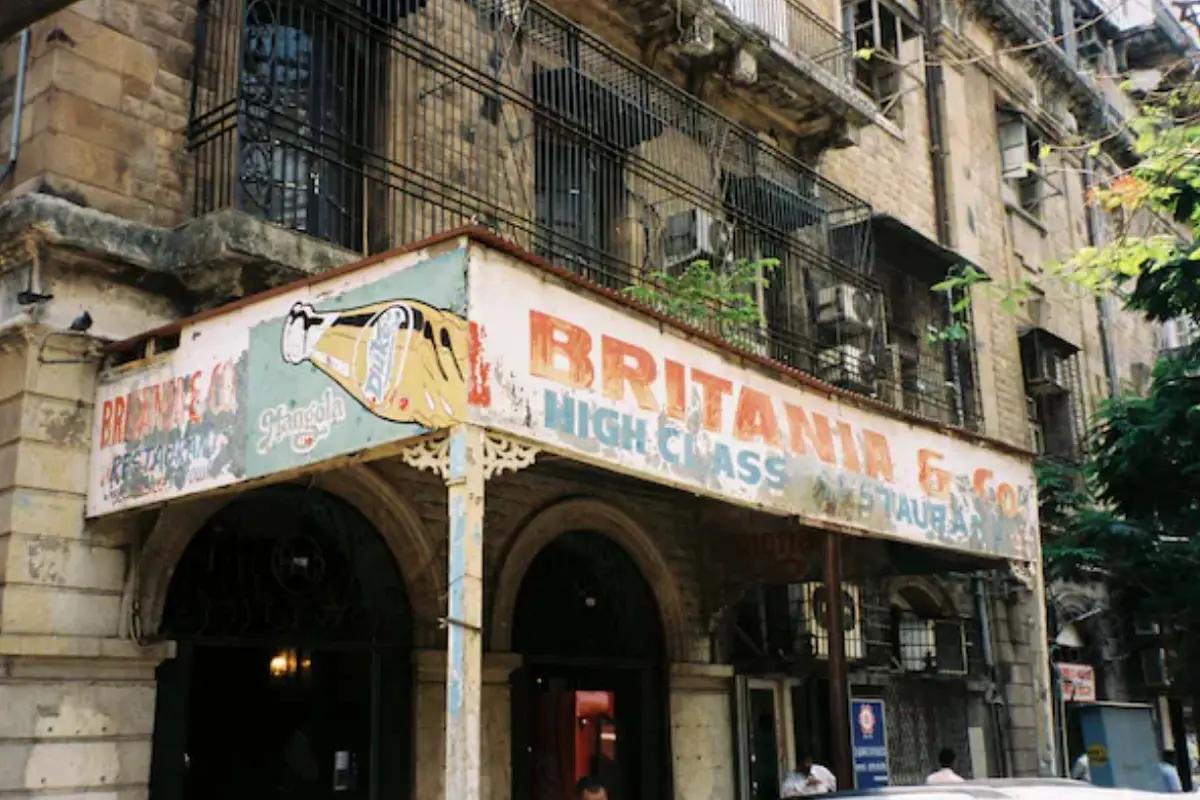
MUMBAI, July 06, 2026 — A century-old Parsi restaurant in South Mumbai continues to serve traditional recipes unchanged, sustaining a rare slice of the city’s Irani café culture. The restaurant, founded in 1923, remains family-run and operates from the same location near Ballard Estate.
The Parsi restaurant Mumbai food lovers line up for today is not driven by trends or reinvention. It survives on consistency, preservation and trust built across generations of diners.
Parsi restaurant Mumbai legacy rooted in 1923
Established during the British era,opened its doors when Mumbai was still known as Bombay. The restaurant began as a modest café serving Parsi home-style food to dock workers, office clerks and traders.
Over the decades, the surrounding city transformed, but the menu, kitchen methods and service style remained largely unchanged. Signature dishes continue to follow original family recipes passed down through generations.
Why the century-old restaurant still matters
At a time when legacy eateries across Mumbai are shutting down due to rising rents and changing consumer habits, the restaurant stands as a living record of Parsi culinary history. Its survival reflects sustained community support rather than commercial expansion.
The restaurant does not operate branches, license its name or alter its offerings for scale. That decision has helped preserve authenticity while limiting growth.
Menu driven by tradition, not trends
The menu focuses on classic Parsi and Irani preparations that have remained consistent for decades. Cooking techniques rely on manual preparation and long-established sourcing practices.
There is no seasonal overhaul or fusion experimentation. Regular patrons often cite predictability as the main reason they return.
A landmark in South Mumbai’s food map
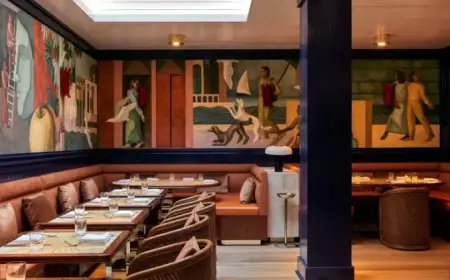
Located near historic commercial districts, the restaurant attracts office-goers, tourists and longtime residents. Its modest interiors and communal seating reflect the Irani café ethos that once defined the city.
Despite increased footfall from visitors seeking heritage dining experiences, the restaurant maintains the same operating hours and service model.
Looking ahead without changing the past
As Mumbai continues to modernize, the restaurant’s future depends on maintaining relevance without compromising tradition. For now, its strength lies in remaining exactly what it has always been.
The century-old establishment continues to function as both a restaurant and a cultural archive, preserving flavours that might otherwise disappear.
More information about Indian cuisine and its regional diversity can be explored through Indian cuisine history and traditions.
Businesses monitoring hospitality expansion trends can also explore restaurant industry growth trends for 2026 to understand how regional food concepts are shaping dining markets.