Perceived Value Emerges as Key Driver Reshaping Dining Trends in India’s Restaurant Industry
India’s restaurant industry is witnessing a shift as perceived value, combining price, experience, and quality, becomes a key factor influencing dining choices in 2026.
 Prajakta Sanjay Warwadkar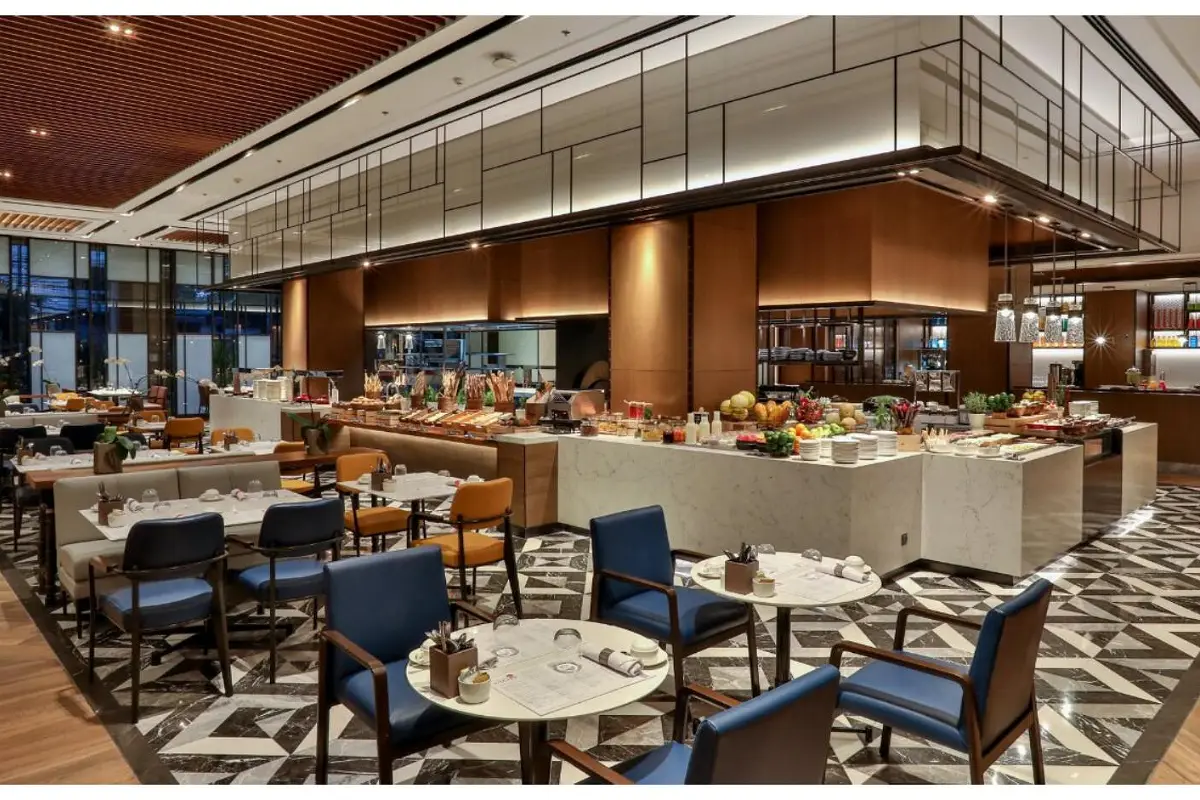
Perceived Value Emerges as Key Driver Reshaping Dining Trends in India’s Restaurant Industry
India’s restaurant industry is undergoing a significant shift in 2026 as perceived value—rather than just price or taste—becomes a defining factor influencing consumer dining decisions, industry experts say. The trend, observed across urban markets, reflects changing customer expectations where diners evaluate not only the quality of food but also the overall experience, service, and brand positioning before choosing where to eat.
The concept of perceived value combines multiple elements including pricing, portion sizes, ambiance, service quality, and brand reputation. As competition intensifies across segments ranging from quick-service restaurants to premium dining, operators are increasingly focusing on delivering a well-rounded experience that justifies the cost in the eyes of customers.
Shift from Price Sensitivity to Value Perception
Traditionally, Indian consumers were considered highly price-sensitive, often prioritizing affordability over other factors. However, recent trends indicate a transition toward value-driven decision-making, where customers are willing to spend more if they perceive the experience to be worth the price.
This shift is particularly evident among urban consumers and younger demographics, who seek a balance between cost and experience. Dining is no longer viewed purely as a necessity but as a social and lifestyle activity, prompting customers to evaluate restaurants more holistically.
As a result, restaurants are rethinking pricing strategies to align with customer expectations while maintaining profitability.
Experience as a Core Component
Ambiance, presentation, and service have become critical components of perceived value. Restaurants are investing in interior design, lighting, music, and seating arrangements to create memorable dining environments that enhance customer satisfaction.
The rise of experience-driven dining reflects the growing influence of social media, where visually appealing spaces and dishes contribute to a restaurant’s popularity. Customers often choose venues that offer shareable experiences, amplifying brand visibility through user-generated content.
This focus on experience extends beyond dine-in, influencing packaging and presentation for delivery orders as well.
Role of Menu Innovation and Quality
While experience plays a significant role, food quality remains a fundamental aspect of perceived value. Restaurants are focusing on menu innovation, ingredient quality, and consistency to meet evolving consumer expectations.
Diners are increasingly open to experimenting with new cuisines and formats, encouraging operators to introduce creative offerings while maintaining core favorites. The ability to balance novelty with reliability is essential in sustaining customer interest.
Portion sizes and perceived fairness of pricing also contribute to how customers assess value, influencing repeat visits and brand loyalty.
Impact of Digital Platforms and Reviews
Online reviews, ratings, and social media presence have a direct impact on perceived value. Customers often rely on digital platforms to evaluate restaurants before visiting, making reputation management a critical aspect of business strategy.
Positive reviews and high ratings can enhance perceived value, while negative feedback can deter potential customers regardless of pricing or location. Restaurants are increasingly monitoring online feedback and engaging with customers to maintain a strong digital presence.
The integration of technology into the dining experience, including online reservations and seamless payment systems, further contributes to overall value perception.
Changing Role of Pricing Strategies
Pricing is no longer viewed in isolation but as part of a broader value proposition. Restaurants are adopting strategies such as bundled offerings, limited-time menus, and loyalty programs to enhance perceived value.
Transparent pricing and clear communication of offerings are also important, as customers expect honesty and consistency. Hidden charges or discrepancies between expectation and delivery can negatively impact perception.
Operators are carefully balancing cost structures with customer expectations to remain competitive in a dynamic market.
Influence on Different Restaurant Segments
The emphasis on perceived value is impacting all segments of the restaurant industry. Quick-service restaurants are focusing on speed, convenience, and affordability, while casual dining establishments are enhancing ambiance and service.
Fine dining restaurants, on the other hand, are emphasizing exclusivity, presentation, and personalized experiences to justify premium pricing. Each segment is adapting its strategy to align with customer expectations within its category.
This differentiation is essential in attracting distinct customer groups and maintaining market positioning.
Operational Implications for Restaurants
Delivering perceived value requires efficient operations and attention to detail. Restaurants must ensure consistency in food quality, service standards, and overall experience across all touchpoints.
Staff training, supply chain management, and quality control play crucial roles in maintaining standards. Any inconsistency can impact customer perception and reduce the likelihood of repeat visits.
Operators are also leveraging data and customer insights to refine offerings and improve performance.
Consumer Expectations Continue to Evolve
As consumers become more informed and discerning, their expectations continue to rise. Factors such as sustainability, hygiene, and ethical sourcing are increasingly influencing dining choices.
Restaurants that can align with these expectations while delivering strong perceived value are better positioned to succeed. Transparency and authenticity are becoming important differentiators in building trust with customers.
The evolving nature of consumer preferences requires continuous adaptation and innovation.
Future Outlook for the Industry
The growing importance of perceived value is expected to shape the future of India’s restaurant industry. Operators will need to focus on creating holistic experiences that go beyond food to include service, ambiance, and brand engagement.
Technology, personalization, and customer feedback will play a significant role in refining value propositions. Restaurants that can effectively integrate these elements are likely to gain a competitive advantage.
Industry experts believe that the shift toward value-driven dining will continue to influence business strategies in the coming years.
Conclusion
The rise of perceived value as a key decision-making factor highlights a fundamental change in India’s dining landscape, with restaurants increasingly focusing on delivering comprehensive experiences to meet evolving consumer expectations in a competitive market.