Pindi Restaurant marks 78 years of frontier flavours in Delhi
Pindi Restaurant Pandara Road completes 78 years, carrying NWFP flavours shaped by Partition-era history in Delhi. Read the full story.
 Ekta Mathew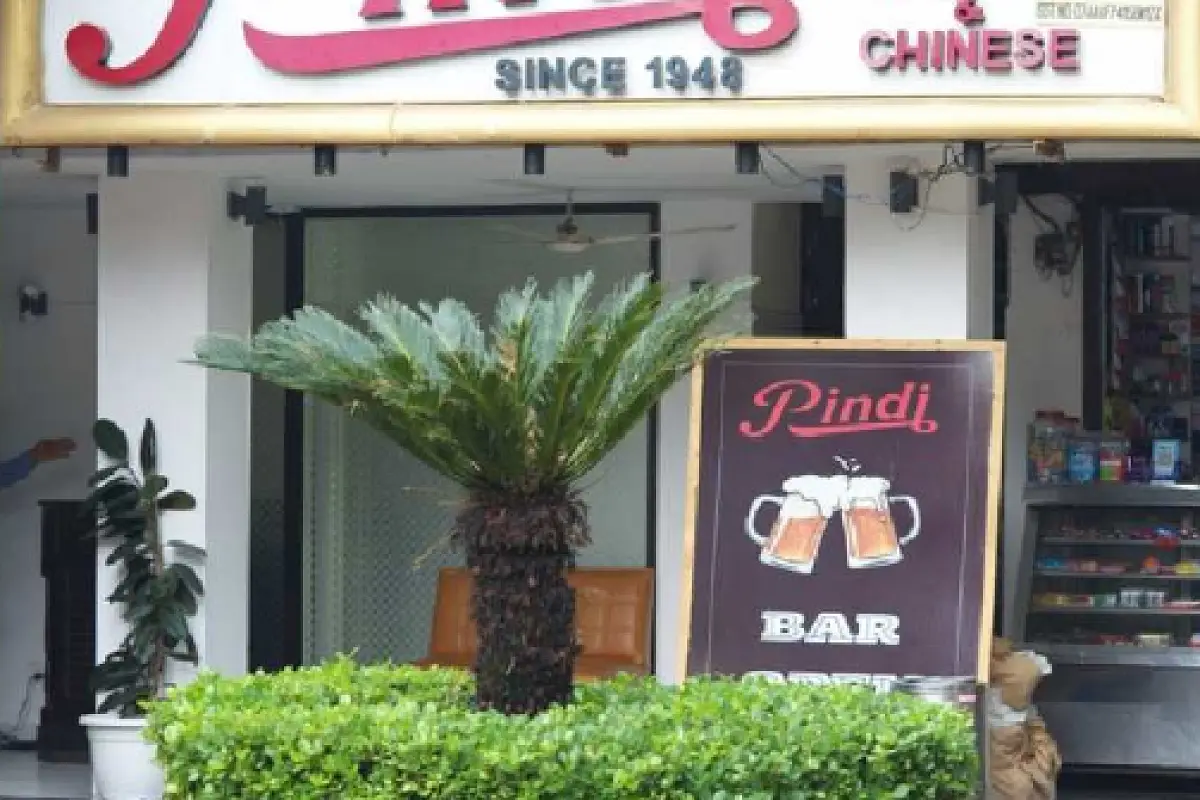
NEW DELHI, June 14, 2026 — Pindi Restaurant at Pandara Road completes 78 years on Friday, marking another milestone for a dining institution that carried North-West Frontier Province flavours into post-Partition Delhi.
The restaurant, founded by migrants who crossed borders during the 1947 Partition, continues to serve robust frontier-style dishes that have remained largely unchanged since its early days.
Pindi Restaurant Pandara Road and its Partition roots
Pindi Restaurant traces its origins to Rawalpindi in the former North-West Frontier Province, now in Pakistan. Its founders arrived in Delhi after Partition and rebuilt their livelihoods through food.
The restaurant began operations in 1948 and later moved to Pandara Road, which gradually emerged as one of Delhi’s most recognised dining corridors.
The menu reflected the food the founders grew up eating — slow-cooked meats, minimal gravies and bold seasoning that relied more on technique than ornamentation.
Why the 78-year milestone matters
In a city where restaurants frequently change concepts and ownership, Pindi Restaurant’s longevity stands out. The 78-year mark places it among Delhi’s oldest continuously operating standalone restaurants.
Food historians say such establishments serve as living records of migration, memory and adaptation in post-Independence India.
“Restaurants like Pindi are not just commercial spaces. They document how displaced communities preserved identity through cuisine,”
— Pushpesh Pant, food historian and author
Frontier flavours that define the kitchen
The kitchen remains focused on meat-forward dishes associated with the frontier belt, including tandoor-grilled kebabs, slow-cooked mutton preparations and robust gravies.
Unlike heavily spiced North Indian restaurant food, NWFP cooking uses fewer ingredients but demands precise control of heat and time.
The restaurant’s long-standing clientele includes families who have eaten there across generations, along with diplomats and visiting officials.
Adapting without altering identity
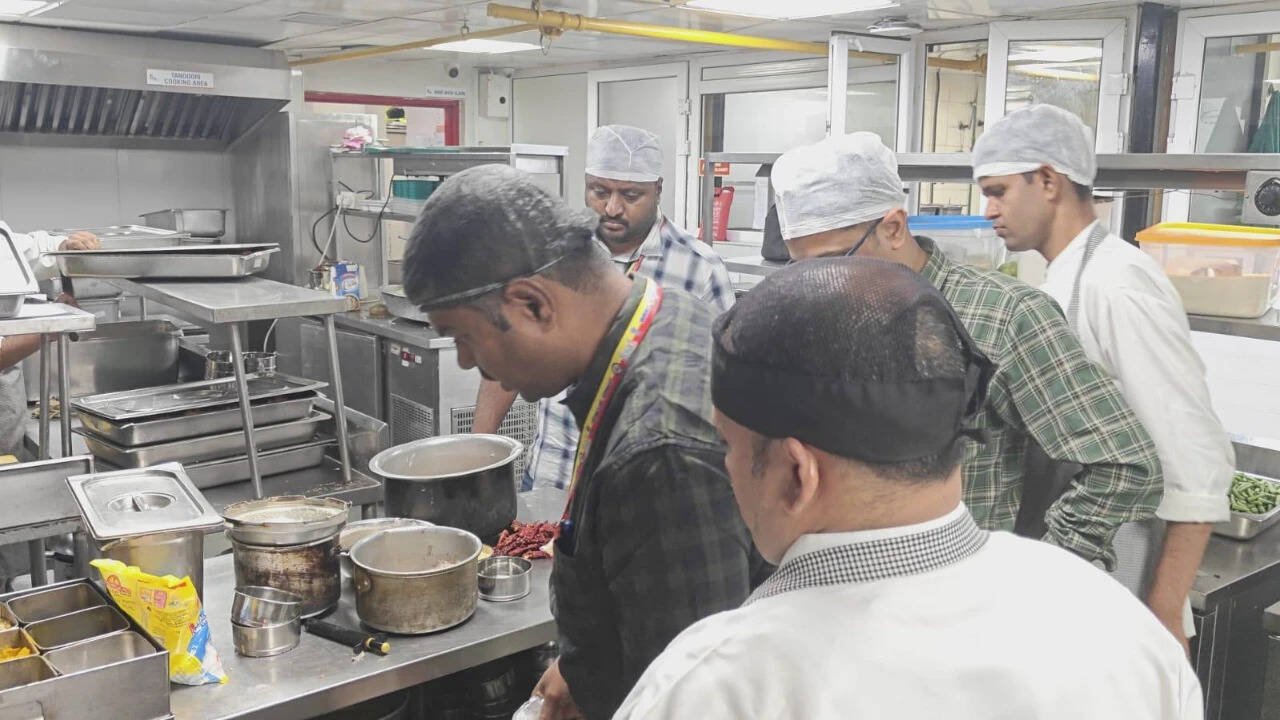
Over the decades, Pindi Restaurant adapted to changing food safety standards and dining expectations, while keeping its culinary core intact.
Portion sizes, service format and kitchen equipment evolved, but the recipes remained closely guarded within the family and senior kitchen staff.
The management credits consistency rather than expansion for the restaurant’s survival in a competitive market.
Pandara Road and Delhi’s dining history
Pandara Road developed into a restaurant hub in the decades following Independence, with legacy establishments drawing patrons from across the city.
Pindi Restaurant became part of that collective identity, helping establish the area as a destination for classic North Indian and frontier cuisine.
As Delhi’s food culture globalised, the restaurant continued to attract diners seeking familiarity and continuity.
Looking ahead after 78 years
As it enters its seventy-ninth year, the restaurant says its focus remains on preserving flavour memory rather than chasing trends.
The management plans limited operational upgrades but no menu overhaul, reinforcing its position as a custodian of frontier culinary heritage.
For many patrons, Pindi Restaurant remains a reminder that Delhi’s food story is inseparable from the journeys of those who rebuilt the city after Partition.
More information about Indian cuisine and its regional diversity can be explored through Indian cuisine history and traditions.
Businesses monitoring hospitality expansion trends can also explore restaurant industry growth trends for 2026 to understand how regional food concepts are shaping dining markets.