Restaurants Explore Drone Delivery as Industry Seeks Faster and More Efficient Last-Mile Solutions
Restaurants are testing drone delivery to improve speed and efficiency in last-mile logistics as demand for faster food delivery rises in 2026.
 Prajakta Sanjay Warwadkar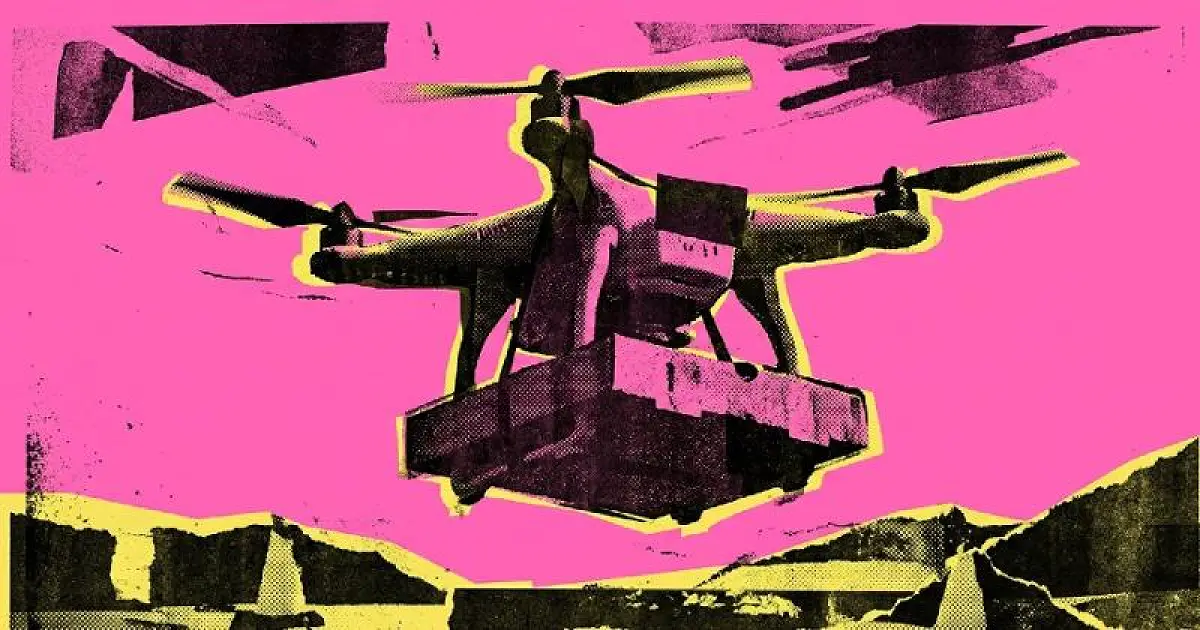
Restaurants are increasingly exploring drone-based delivery systems in 2026 as operators seek faster, more efficient solutions for last-mile logistics. The shift comes amid growing pressure to reduce delivery times, manage costs, and improve customer experience in an increasingly competitive off-premise dining market.
While traditional delivery methods—primarily reliant on drivers—remain dominant, some restaurant operators and technology providers are testing aerial delivery systems to address inefficiencies in urban and suburban markets. The approach is being evaluated as part of a broader effort to modernize food delivery infrastructure.
Rising Demand for Faster Delivery Solutions
The push toward drone delivery is driven by increasing consumer expectations for speed and convenience. As digital ordering continues to grow, restaurants are under pressure to shorten delivery windows while maintaining food quality.
Conventional delivery systems often face challenges such as traffic congestion, labor shortages, and rising operational costs. These factors can lead to delays and inconsistent service, particularly during peak hours. Drone technology is being considered as a way to bypass ground-level obstacles and create more predictable delivery timelines.
The potential to reduce delivery times is a key factor behind the interest in aerial logistics, especially for short-distance orders where speed is a critical differentiator.
Testing and Pilot Programs Underway
Several restaurant operators are participating in pilot programs to assess the feasibility of drone delivery. These trials typically involve partnerships with technology firms specializing in unmanned aerial systems, with a focus on limited geographic zones and controlled environments.
Initial deployments have focused on suburban and low-density areas, where fewer regulatory and logistical barriers exist. In these settings, drones can operate with greater efficiency, delivering orders directly to designated drop-off points.
Testing phases are being used to evaluate factors such as delivery accuracy, safety, cost efficiency, and customer acceptance. Operators are also assessing how drone systems integrate with existing ordering platforms and kitchen workflows.
Operational and Regulatory Challenges
Despite its potential, drone delivery faces several challenges that may limit widespread adoption in the near term. Regulatory requirements remain a significant barrier, with aviation authorities imposing strict guidelines on unmanned flight operations, particularly in densely populated areas.
Safety considerations, including airspace management and risk mitigation, are central to these regulations. Restaurants and technology providers must ensure compliance while maintaining operational efficiency.
In addition to regulatory hurdles, logistical constraints such as payload capacity, weather conditions, and infrastructure requirements also affect the viability of drone delivery. Current systems are typically limited in the size and weight of orders they can carry, restricting their use to smaller deliveries.
Cost Considerations and Business Viability
The economic feasibility of drone delivery is another key factor influencing adoption. While drones have the potential to reduce labor costs over time, initial investments in technology, infrastructure, and regulatory compliance can be substantial.
Operators must evaluate whether the long-term benefits—such as faster delivery and reduced reliance on human drivers—offset the upfront costs. The scalability of drone systems will play a critical role in determining their viability as a mainstream delivery option.
Cost efficiency is particularly important in the restaurant industry, where margins are often tight and delivery operations must be carefully managed to maintain profitability.
Integration with Existing Delivery Ecosystems
Drone delivery is not expected to replace traditional methods entirely but rather to complement existing systems. Restaurants are likely to adopt a hybrid approach, combining ground-based delivery with aerial solutions to optimize efficiency across different scenarios.
For example, drones may be used for short-distance or time-sensitive orders, while drivers continue to handle larger or more complex deliveries. This integrated model allows operators to leverage the strengths of each method while minimizing limitations.
The success of such systems will depend on seamless integration with ordering platforms, kitchen operations, and customer interfaces, ensuring a consistent and reliable experience.
Industry Context and Future Outlook
The exploration of drone delivery reflects a broader trend toward automation and innovation in the restaurant industry. As operators adapt to changing consumer behavior and technological advancements, new solutions are being tested to improve efficiency and competitiveness.
Delivery has become a central component of restaurant operations, particularly following the expansion of digital ordering channels. Innovations that enhance speed, reduce costs, and improve reliability are likely to play a significant role in shaping the future of the sector.
While drone delivery remains in the experimental stage, ongoing trials and technological advancements may influence its adoption over time. The extent to which it becomes a standard part of restaurant logistics will depend on regulatory developments, cost structures, and operational performance.
For now, restaurants continue to evaluate drone delivery as part of a broader strategy to optimize last-mile service, reflecting the industry’s ongoing search for more efficient and scalable solutions in an evolving market environment.