Skyline Jerusalem Restaurant Review: Twelve Floors Above the City
Skyline Jerusalem restaurant review finds chef Israel Miretzky's inventive menu matching its rooftop views at Jerusalem Gardens Hotel, twelve floors above the capital.
 RUKAIYA KADIWAL
The elevator at the Jerusalem Gardens Hotel was taking too long. The lobby below was full of families in the particular animated state of a midsummer break, children moving in the unpredictable directions that children move when the school term is still weeks away. So the reviewer climbed instead, twelve flights up, past landings that smelled of renovation dust and fresh plaster, to arrive at a dining room perched at the top of Kiryat Moshe with the city of Jerusalem spread across its windows like something arranged for the purpose. It was, under the circumstances, a reasonable trade.
Skyline Jerusalem Restaurant Pairs City Views With a Chef's New Vision
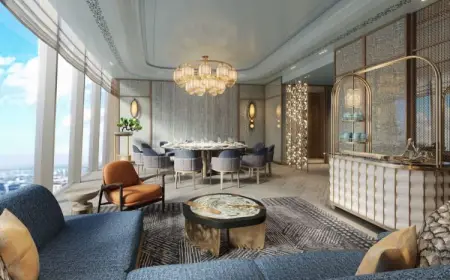
Skyline Jerusalem restaurant sits atop the twelfth floor of the Jerusalem Gardens Hotel, near the Chords Bridge at the entrance to the city. It has been in business for around twelve years. What is new is its kitchen. The restaurant recently appointed chef Israel Miretzky, who has introduced a menu that moves between familiar formats and unexpected combinations with enough consistency of intent to make the whole feel considered rather than arbitrary.
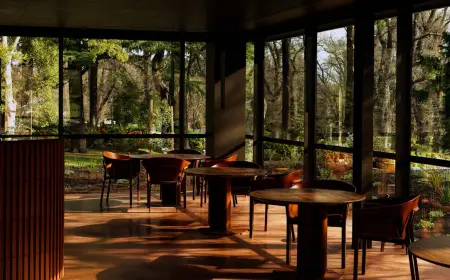
The full-length windows that frame the dining room provide a view of the capital that includes, at the time of this visit, the cranes of ongoing construction dotting the skyline alongside the older landmarks beneath them. The outdoor VIP table offers the most direct access to that panorama, and it was there that the evening's meal began, with bread and a set of dips that introduced the kitchen's willingness to surprise before anything else had arrived.
Where the Meal Begins
The artisanal chef's bread came with spiced olive oil, a dip of the day, and cured cherries aioli, a combination that was sweet, tart, and refreshing in a way that prepared the palate for what followed rather than simply occupying it. The choice to open with something as particular as cured cherries aioli signals a kitchen that is not hedging its bets at the start of a meal.
The starters that followed worked across a range of registers. Filet medallions arrived with garlic, tehina, caramelized apricots, maitake mushrooms, truffle ash, charcoal, and tuile, a plate whose ingredient list sounds more complicated than it tasted, each element present without crowding the others. The tomato salad with croutons, oregano, and sesame vinaigrette in a cabernet reduction offered something simpler and was equally successful, the kind of dish that demonstrates confidence precisely because it asks less of itself.
The Dish That Stayed
Among the starters, the chicken and waffles appetizer was the one that demanded the most suspension of expectation and rewarded it most directly. A Belgian waffle, battered chicken, maple butter, sriracha cream, blood orange, blueberries, popcorn powder, and fenugreek snow arrived as a combination that sounds odd on the page and tasted, according to reviewer Alan Rosenbaum writing in the Jerusalem Post, like a delicious mix of sweet, fruity, and chicken flavors. That kind of honesty about a dish that should not work but does is the most useful thing a reviewer can offer a potential guest.
The sushi delicatessen, built on phyllo dough with oyster cut, baby chicken, soy caramel, candied ginger, garlic chips, whole grain tehina, toasted nori, and wasabi dust, demonstrated the same appetite for combination across different culinary traditions without the result feeling incoherent. Miretzky's menu appears most itself in these moments, when a dish crosses enough reference points to belong to no single category and is confident enough in its execution not to need one.
Main Courses That Earned Their Place
Two entrees reached the table after the starters had already achieved the rare feat of producing genuine satiety before the meal's center had arrived. The lamb shank was served inside a brioche-style bread mounted on the bone, accompanied by root vegetable cream sauce, chili confiture, pine nuts, grilled green tomatoes, toffee, balsamic reduction, and baby cilantro. For diners who do not count themselves lamb enthusiasts, the cool cream sauce against the meaty, breaded preparation proved a useful counterpoint.
The Cowboy Cut, a tomahawk steak served with potatoes, rosemary and oregano compound butter, and an olive branch that arrived at the table unlit, was a dish that needed no theater to recommend it. The meat itself was good. The olive branch detail, presumably intended to arrive flaming, was one of those moments that a dining room absorbs with good humor and moves past. Not every element of an ambitious menu lands as planned. The ones that mattered here did.
Service and the Wine Program
The waitstaff was described by the reviewer as young, energetic, and attentive. Those three qualities, taken together, describe a front-of-house culture that has not yet calcified into performance. The restaurant paired specific wines with dishes from the menu, including a glass from the Tanya Winery, and also provided two complimentary cocktails during the meal, gestures of hospitality that belong to the category of things guests notice without always consciously registering as a factor in how they feel about an evening.
One practical disruption accompanied the meal. At the time of the visit, both the hotel's elevators and the restaurant's restrooms were undergoing renovation, requiring diners to descend to the lobby when needed. It is the kind of temporary inconvenience that sits uneasily in a restaurant aiming for a celebratory dining register, and the reviewer noted it clearly. It is also, by its nature, temporary, the kind of detail that will have resolved itself by the time most readers act on this review.
Dessert and the Long Walk Down
The lemon pie ended the meal well. Sweet, lemony, and sufficiently composed after the accumulated richness of what preceded it, it was the dessert that held its position most firmly. The fruit ice cream pie was pleasant but less memorable, a second dessert that the occasion perhaps did not require but that arrived in the spirit of thoroughness.
The walk down twelve flights of stairs at the end of the evening was, in the reviewer's account, less punishment than acknowledgment. A meal of that scope earns its staircase. The legs carry the evening's evidence in a way that feels almost appropriate to how the night began, with a climb that turned out to be worth taking.
What Skyline Jerusalem Offers and to Whom
Rosenbaum recommended Skyline Jerusalem for a celebratory dinner or a business meal, noting that while it is not inexpensive, the pricing for a full meal including appetizer, main course, and dessert is not stratospheric. That framing locates the restaurant correctly in Jerusalem's dining landscape, a destination that justifies its occasion by delivering a kitchen genuinely trying to do something interesting alongside a view that requires no argument at all.
A hotel restaurant twelve years old and recently renewed by a new chef is a particular kind of establishment. It has history enough to have developed a regular audience and a reputation, and it has enough of a new chapter underway to give that audience a reason to return and new guests a reason to arrive for the first time. Miretzky's menu is the reason for both.
A City Below, a Kitchen Above
There is something fitting about a restaurant that asks its guests to climb to reach it. Jerusalem is a city built on the expectation of effort, on the understanding that the places most worth arriving at are rarely the easiest to approach. Skyline Jerusalem sits twelve floors above the noise of the lobby, above the renovation dust and the crowded elevators, above the midsummer families and the cranes writing new lines into the skyline. It offers a meal that takes itself seriously without announcing that it does, and a view of the city that has not changed regardless of who is cooking on the floor below it. The two things together are, on the right evening, enough to make the climb feel inevitable.
Related reading: Chinese restaurant food safety violations close Salem buffet